

Key Takeaways:
- Animal Justice has officially filed for leave to appeal to the Supreme Court of Canada in our challenge to Ontario’s ag gag law, arguing that it violates freedom of expression. We are waiting for the Supreme Court to decide whether it will hear our appeal.
- Ontario’s ag gag law makes it illegal for journalists, advocates, and whistleblowers to go undercover and expose animal cruelty on farms and in slaughterhouses.
- Undercover investigations and employee whistleblowers have exposed systemic, illegal animal suffering that might otherwise remain hidden and have helped secure animal cruelty charges and convictions.
- Several US states have already struck down similar ag gag laws as unconstitutional. This is the first legal challenge to a Canadian ag gag law.
Animal Justice has officially filed for leave to appeal to the Supreme Court of Canada, continuing our fight against Ontario’s dangerous ag gag law.
This follows a devastating court decision that overturned our previous massive legal victory—reinstating key sections of the Security from Trespass and Protecting Food Safety Act. The law threatens the ability of journalists, advocates, and whistleblowers to document animal abuse and other wrongdoing inside farms and slaughterhouses.
If granted, our legal team will argue before Canada’s highest court that Ontario’s ag gag legislation directly violates the Charter of Rights and Freedoms.
Ag Gag Laws Cover Up Animal Cruelty
The Ontario government passed this legislation in 2020 under pressure from industry lobbyists, making accessing an agricultural facility under “false pretenses” an offense. This eliminates needed transparency and shields powerful industries from public accountability.
Like most provinces, there are no legally binding standards to protect the welfare of animals on Ontario farms. Undercover exposés are often the only way systemic abuse comes to light. Time and time again, these exposés have also shown horrific cruelty at slaughterhouses, livestock auctions, rodeos and horse racetracks—facilities that are also covered by Ontario’s ag gag law.
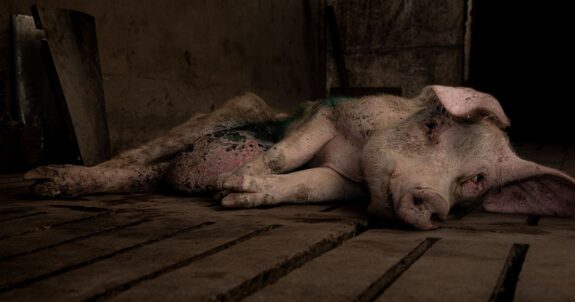
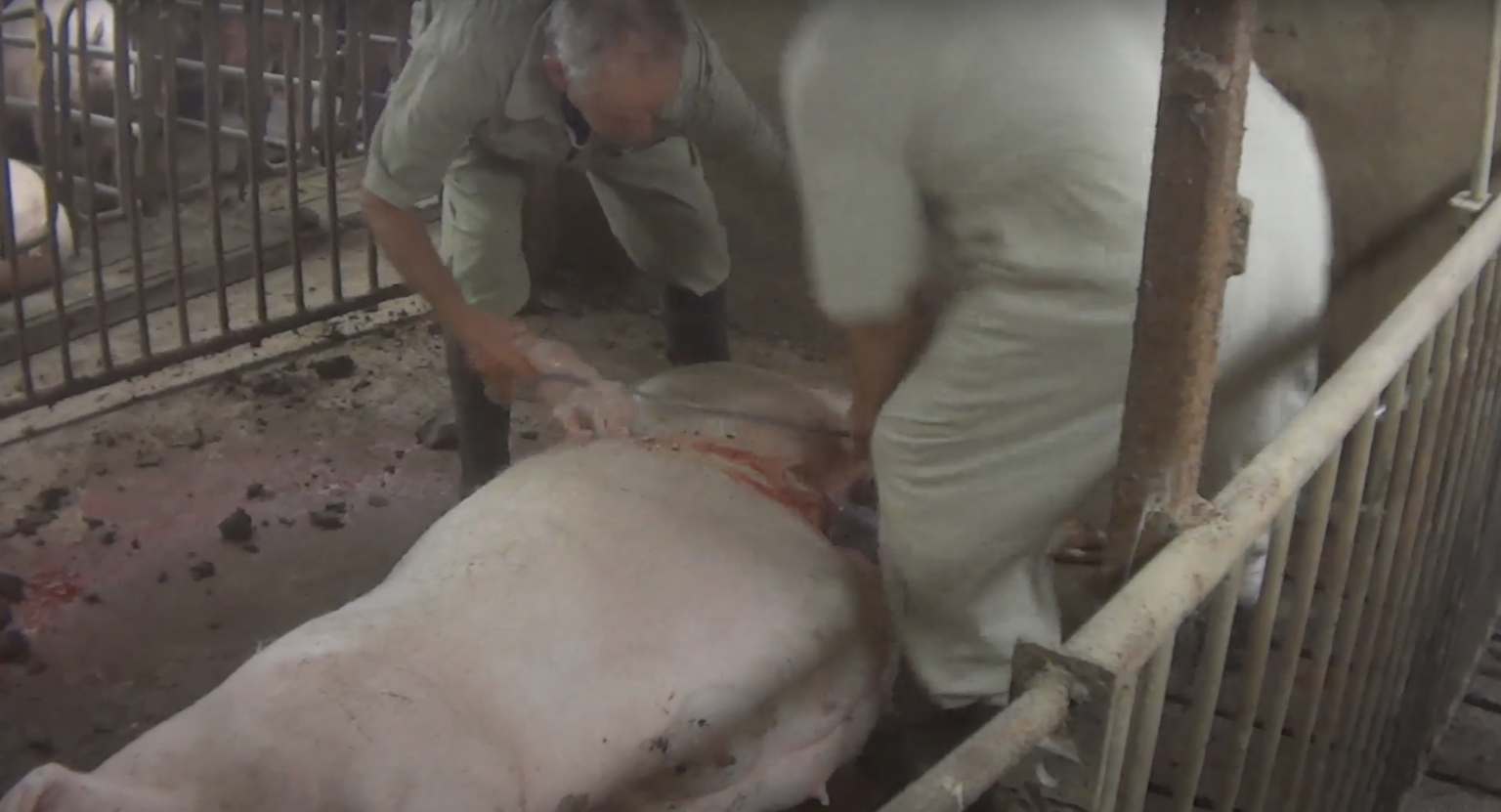
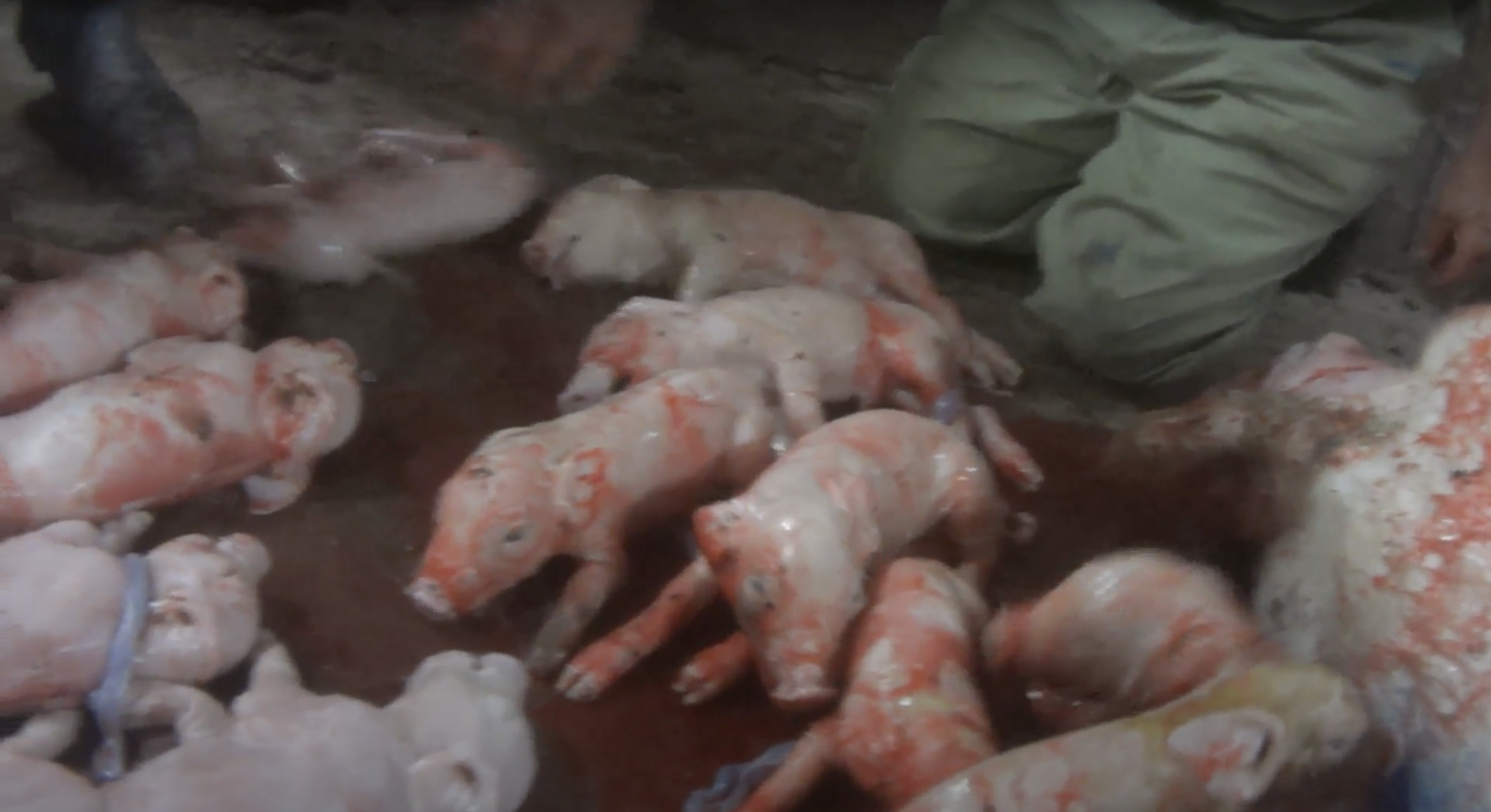
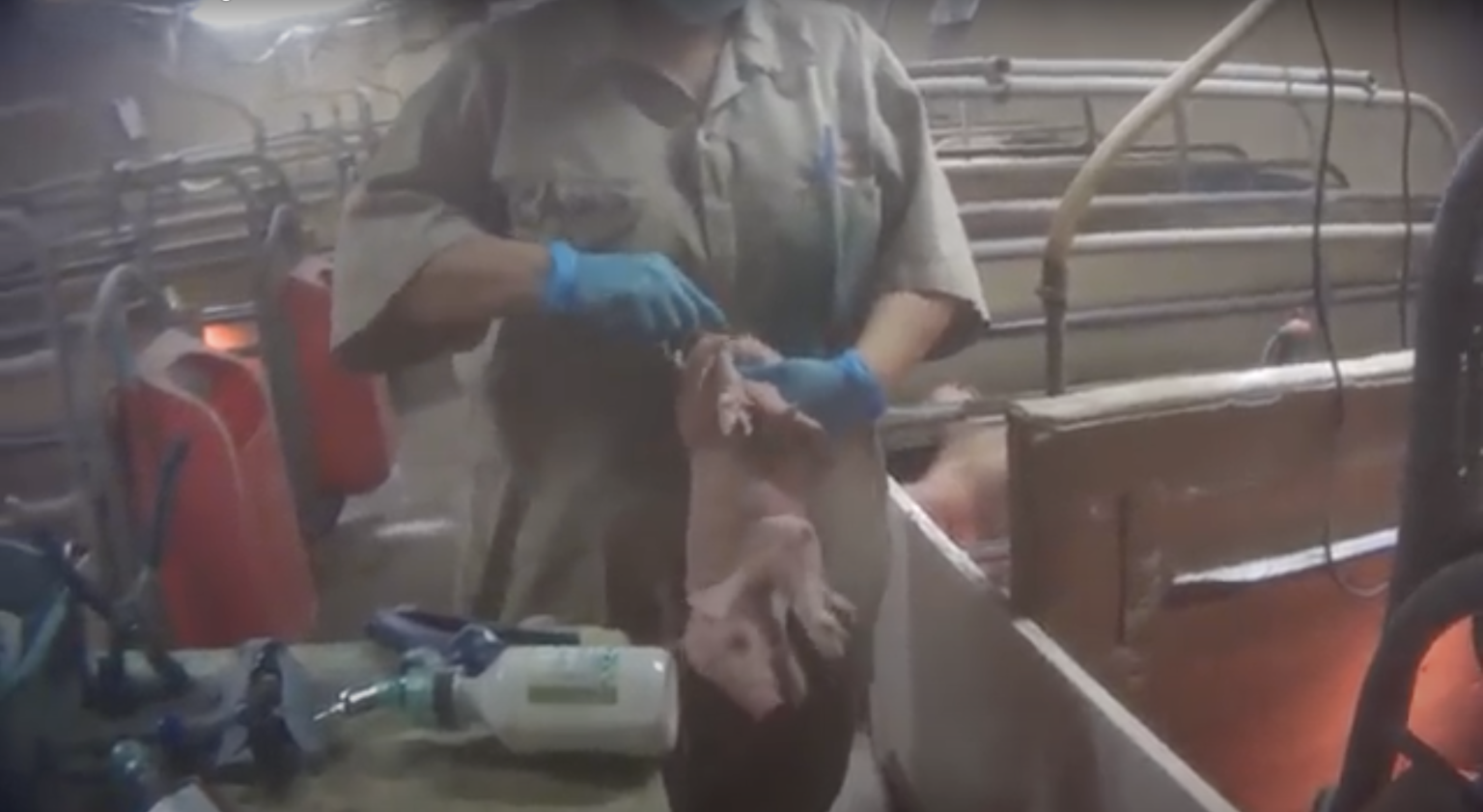
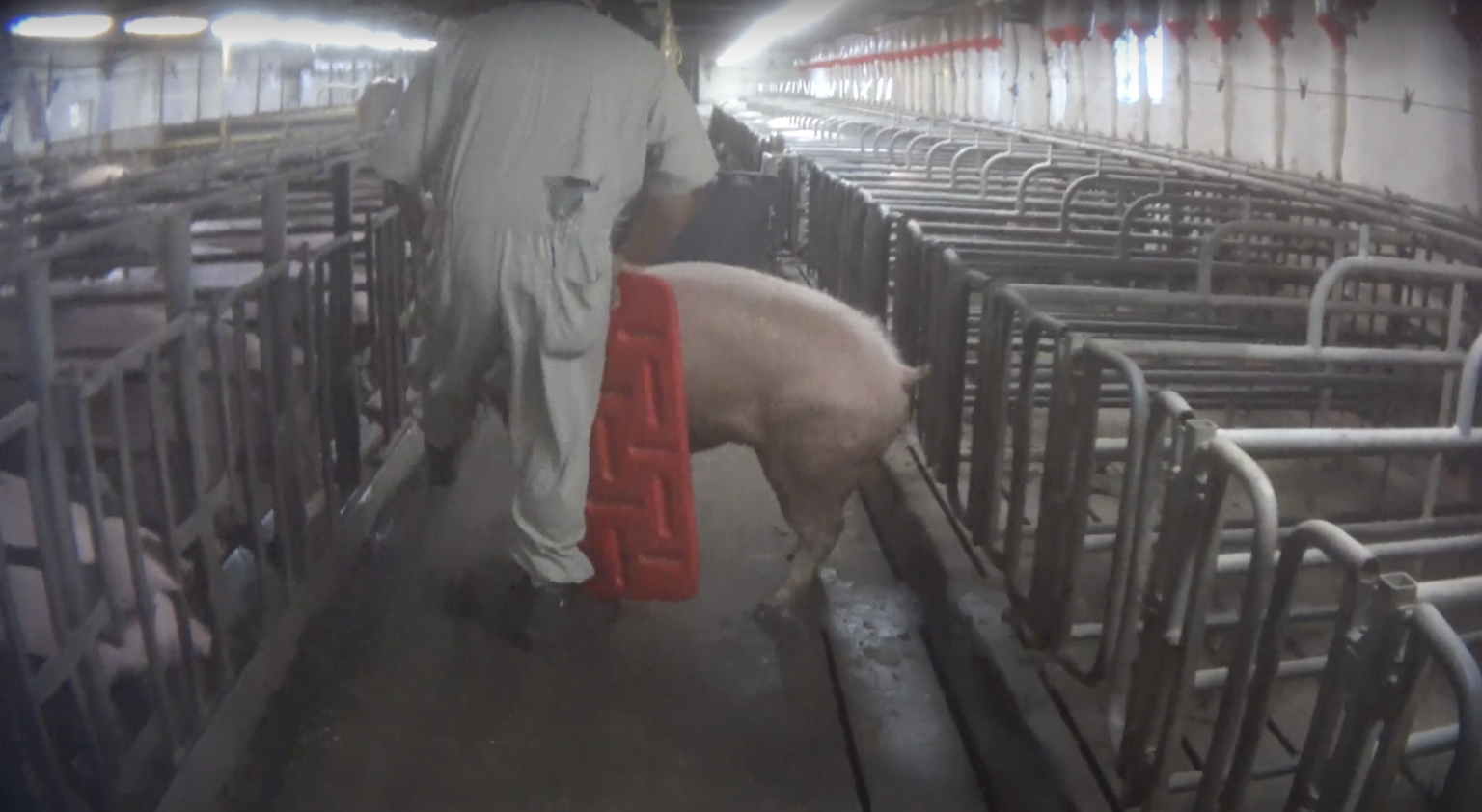
Just before Ontario’s ag gag law originally took effect, an Animal Justice undercover investigation exposed horrific and illegal cruelty at an Ontario pig farm:
- Workers kicking, slapping, and beating mother pigs.
- Piglets undergoing tail docking and castration without pain relief.
- A mother pig subjected to an illegal C-section while fully conscious.
That footage led directly to criminal animal cruelty convictions against the farm. Under the reinstated law, capturing that same evidence would be treated as a legal offence.
The Law Shouldn’t Protect Abusive Industries
Ag gag laws exist to hide industrial animal abuse behind closed doors. We believe that shielding these industries from public scrutiny violates basic constitutional rights and leaves millions of animals to suffer in silence.
Courts in several US states have already struck down similar laws as unconstitutional. Instead of penalizing transparency, governments should be passing stronger laws for farmed animals and prosecuting abusers.
Animal Justice will continue challenging ag gag legislation in courtrooms and legislatures across Canada until these laws are defeated for good.
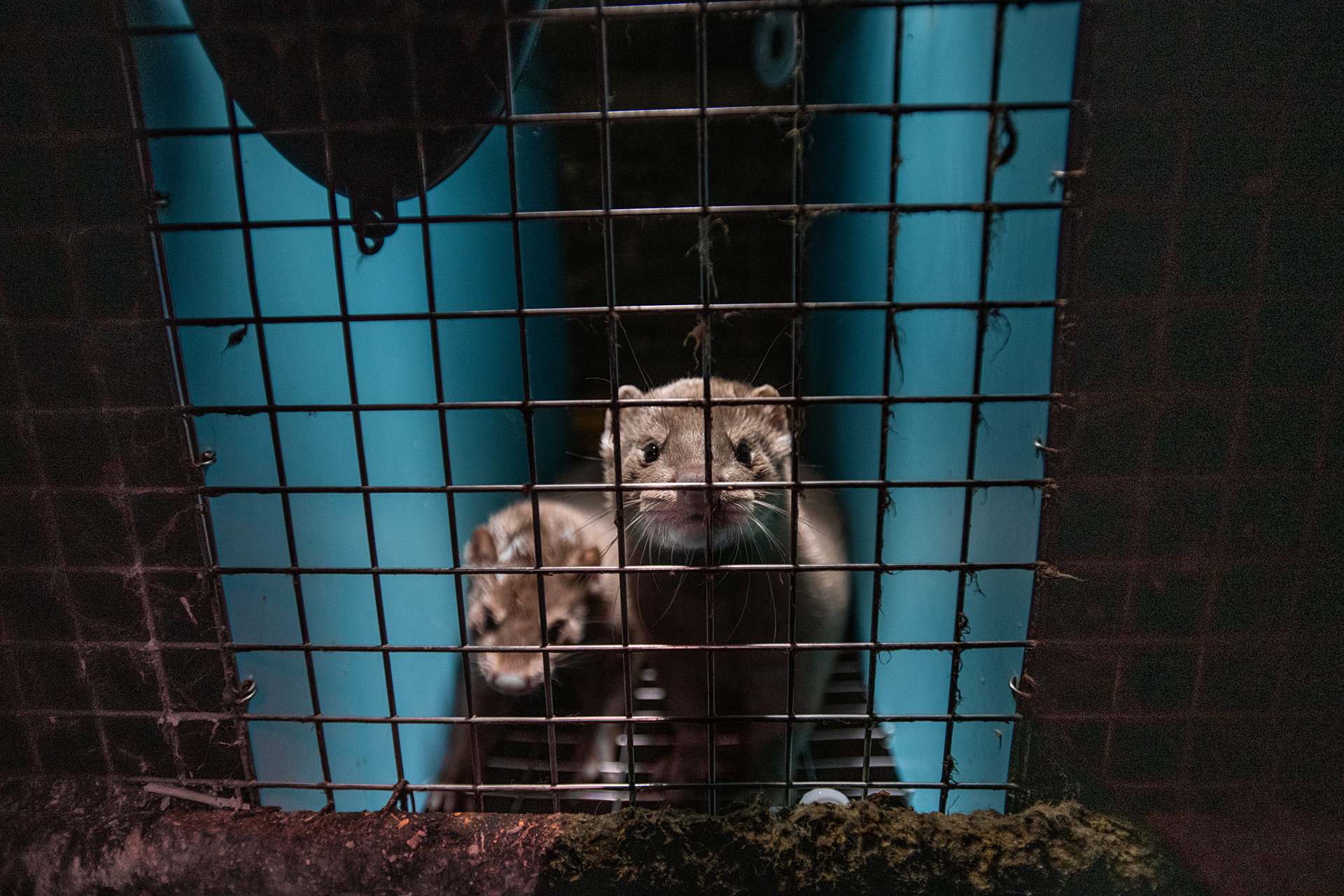
Banner image: Stefano Belacchi | Essere Animali | We Animals
Frequently Asked Questions
What is Ontario’s ag gag law?
Ontario’s ag gag law is the Security from Trespass and Protecting Food Safety Act, 2020. The law makes it illegal to access farms, slaughterhouses, petting zoos, rodeos, horse racetracks and rodeos under “false pretences.” It restricts journalists, advocates, and whistleblowers from documenting animal cruelty and other wrongdoing.
Has the Supreme Court of Canada agreed to hear Animal Justice’s appeal?
Not yet. Animal Justice has asked the Supreme Court of Canada for permission to appeal, but the Court has not yet decided whether it will hear the case.
What did the Ontario courts decide?
In 2024, the Ontario Superior Court found key parts of Ontario’s ag gag law to be unconstitutional because they violated freedom of expression under the Canadian Charter of Rights and Freedoms. In 2026, the Ontario Court of Appeal overturned that decision, reinstating the most harmful parts of the law. Animal Justice is now asking the Supreme Court of Canada to review the case.
Why is Animal Justice asking the Supreme Court to hear the case?
Animal Justice is appealing to have Canada’s highest court declare the sections at issue unconstitutional, arguing that penalizing workplace whistleblowing and undercover reporting violates constitutional free speech rights and hides widespread animal suffering behind closed doors.
What happens if the Supreme Court grants leave to appeal?
Granting leave permits Animal Justice to present full written and oral arguments before the Supreme Court. The ag gag law would remain in effect unless, and until, the Supreme Court declares it unconstitutional after the full appeal hearing.
How does Ontario’s ag gag law affect undercover investigations?
Ontario’s ag gag law makes it an offence to enter or gain employment at farms or slaughterhouses —and even places like petting zoos, rodeos, and horse racetracks—on the basis of a false statement, including omitting a post-secondary degree from one’s resumé or denying an affiliation with animal protection groups. Investigators and employees who film or photograph systemic cruelty face prosecution and significant penalties. The law even targets existing employees who want to blow the whistle on their employer’s illegal or unethical conduct, putting those employees at risk of significant fines under the Act.
Why are undercover investigations important for animal protection?
Most farmed animals are kept inside facilities hidden from the public. Government inspections of these facilities generally occur only after a complaint is received, and even then the inspections are often announced. Undercover investigations and employee whistleblowers are a vital way to reveal systemic suffering and illegal animal cruelty, inform the public, and secure animal cruelty charges and convictions.
Which Canadian provinces have ag gag laws?
Ontario, Alberta, Manitoba, and Prince Edward Island have enacted forms of ag gag legislation, although the restrictions differ between provinces. Learn more about ag gag laws in Canada. There have been two unsuccessful attempts to pass a federal ag gag law, both of which Animal Justice fought to oppose.