

Update: The e-petition is now closed. Click here for more ways to help animals.
A new parliamentary e-petition, sponsored by Liberal MP Nate Erskine-Smith and initiated by the Montreal SPCA, is calling on the Government of Canada to finally take meaningful action to replace animal research with modern, humane science.
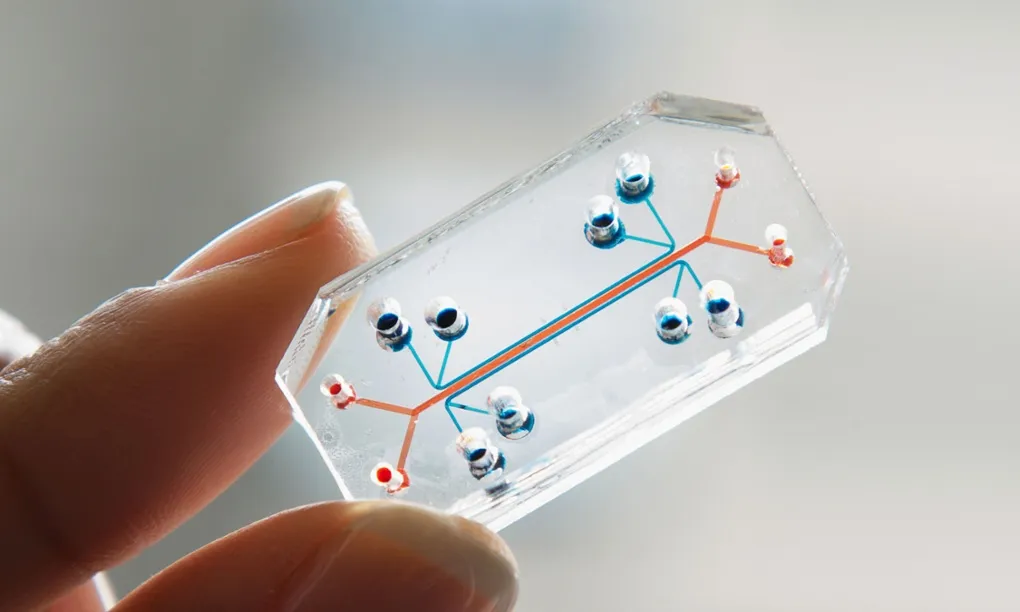
The petition urges the federal government to set national reduction targets—including a 50 percent reduction by 2030—allocate federal funding for a national centre dedicated to non-animal science, and update federal laws and regulations to recognize New Approach Methodologies (NAMs) as the standard. NAMs are alternatives to animal research that include tools like organ-on-a-chip technology, 3D-bioprinted human tissue, and computer modelling.
This is an urgent opportunity to protect millions of animals who suffer in Canadian laboratories each year in painful and unnecessary experiments.
Concerning Increase in Canada’s Animal Research
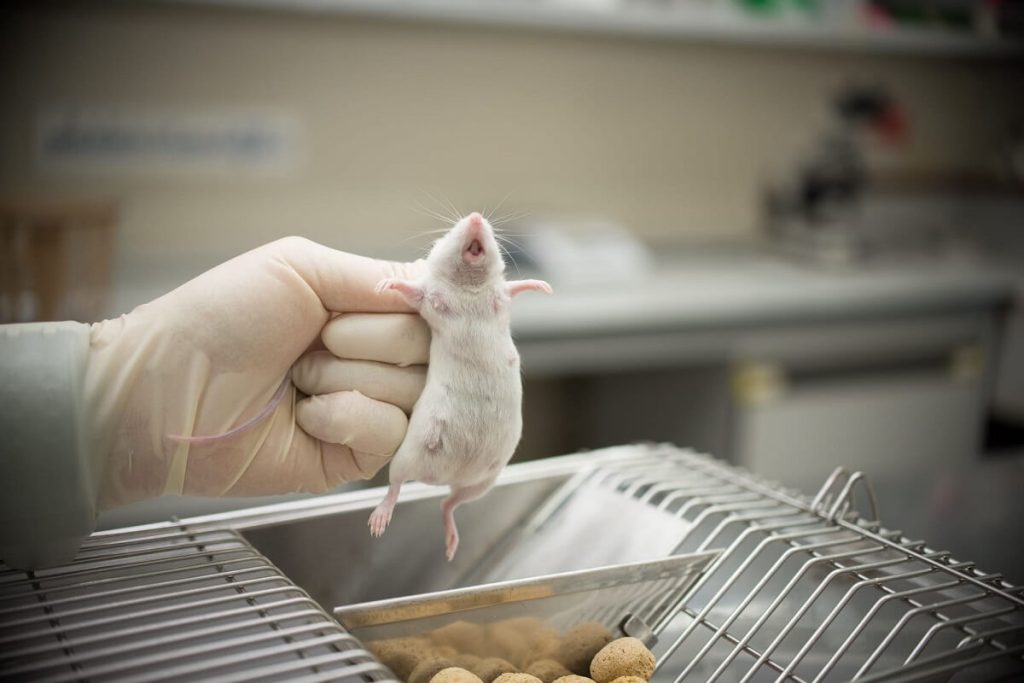
Canada’s use of animals in labs is rising at an alarming rate. New data shows that in 2024, more than 3.7 million animals were used in experiments—an 18.5 percent increase from the previous year. Even more troubling, a higher proportion of these animals were subjected to procedures classified as causing severe pain or distress, including toxicity tests, invasive biomedical research, and other experiments performed without meaningful legal oversight.
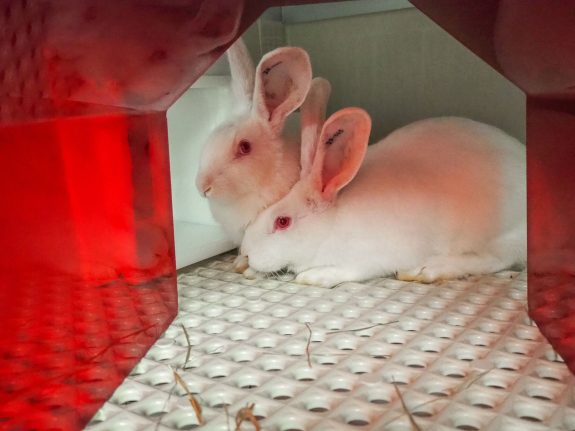
In 2023 alone, more than 1.1 million animals, including rabbits, dogs, primates, mice, and fishes, endured Category D or E procedures, the highest levels of suffering defined in Canadian animal testing reporting. Despite this, Canada still has no federal legislation regulating animal research, relying instead on voluntary guidelines from the Canadian Council on Animal Care, a body with no legal authority to enforce protections.
Animal Research Fails Scientifically
This rise in suffering is especially indefensible given the rapid advancement of modern, animal-free testing methods that can provide safer, more accurate results.
Additionally, animal-based science often isn’t reliable. More than 90 percent of drugs that pass animal tests fail in human trials, delaying treatment advances and wasting public resources. Despite overwhelming evidence of harm and inefficiency, animals who feel fear, pain, and distress continue to be used in toxicity tests, biomedical research, education, and product development.
Non-Animal Methods Offer Safer, Humane, & More Accurate Science
NAMs—including organ-on-a-chip systems, 3D-bioprinted human tissue, and computer modelling—can predict human outcomes far more accurately than outdated animal tests, and are often more cost-effective. These methods are already transforming research in the EU, United States, and other global leaders investing in modern science.
Comparatively, Canada is progressing far too slowly. In 2023, Animal Justice helped secure the passage of Bill S-5, which committed the federal government to ending toxicity testing on animals by 2035. Last year, the government released its first-ever national strategy to support this transition.
But without binding targets, timelines, and federal funding, progress will stall. Just last year, Canada’s only national centre for non-animal methods was forced to close due to lack of government investment. Meanwhile, millions of animals continue to suffer in avoidable and outdated tests.
New Petition Calls for Federal Action—Add Your Name
The new e-petition, which closes for signatures on January 30, 2026, urges the government to:
- Adopt a national roadmap to replace animal tests with NAMs by 50 percent by 2030, and fully replace them with non-animal testing where possible by 2035
- Provide federal funding for a national centre focused on non-animal science
- Require public institutions to prioritize non-animal testing methods
- Amend federal laws and regulations to recognize NAMs as the standard
- Ensure transparent public reporting on the progress toward alternatives to animal testing
Canada must move beyond cruel and outdated animal testing. Call on the federal government to invest in humane, modern, animal-free science—add your name to the official e-petition today.