

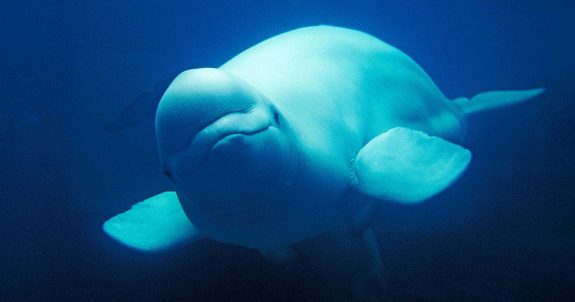

Hope is on the horizon for many whales trapped in Marineland’s tanks. The Government of Nova Scotia has just approved the Whale Sanctuary Project’s proposal to open Canada’s first seaside whale sanctuary in Port Hilford Bay. Once complete, the sanctuary could offer a permanent, peaceful home for around ten belugas currently languishing in cramped, barren tanks at Marineland.
This historic project will transform a natural cove on Nova Scotia’s eastern shore into a refuge 100 times larger than Marineland’s tanks. The whales will be able to swim in real ocean water, feel the rhythms of tides and seasons, and explore a natural environment while still receiving the human care they need to survive.
Construction can now begin immediately, with the sanctuary expected to open as soon as summer 2026. Supported by Mi’kmaq partners, universities, and local communities, the whale sanctuary represents a turning point for Canada’s whales who’ve suffered in captivity.
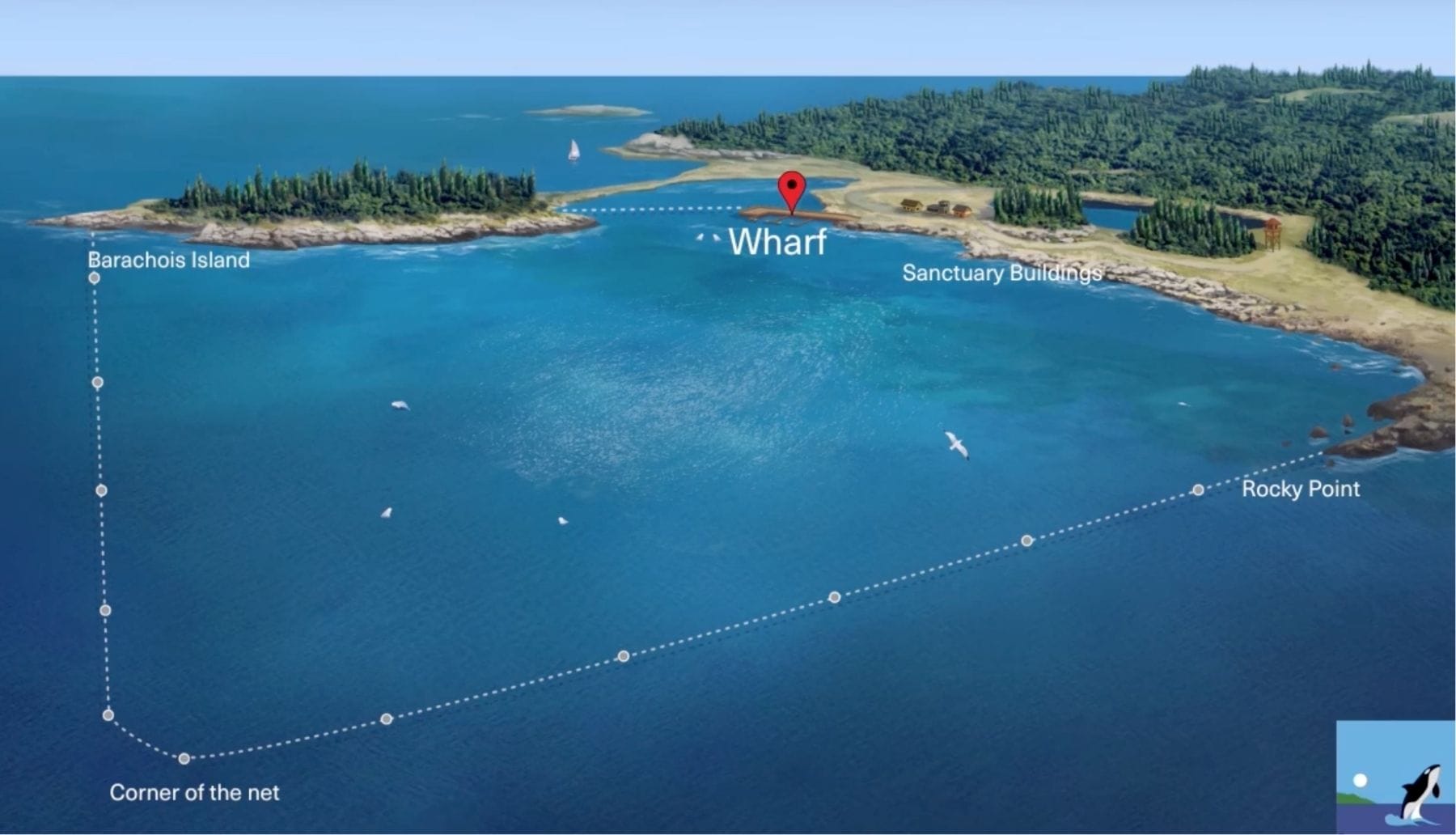
Credit: Whale Sanctuary Project.
Marineland Threatens to Kill Surviving Belugas
The approval comes at a critical time. Marineland, now closed, has threatened to kill its 30 surviving belugas after the federal government rejected its permit application to send them to a subpar facility in China. The threat is a new low for Marineland, which has a long and shocking history of illegal animal cruelty. Mass killing belugas is not only morally reprehensible, but would cause extreme suffering and likely violate animal protection laws.
Animal Justice has already filed a formal complaint with Niagara Regional Police and presented a detailed action plan to both Ontario and federal governments, urging them to step in and protect the whales. The newly approved whale sanctuary now offers a humane, made-in-Canada solution.
Time for Governments to Act
With the whale sanctuary approved, both Ontario and federal officials must act quickly to ensure as many belugas as possible are sent to sanctuary. Once all sanctuary options are exhausted, the remaining whales could be moved to accredited US aquariums, provided there are guarantees they will not be bred or forced to perform—practices that are now illegal in Canada. Whales who are not healthy enough for transport will need to be cared for onsite under improved conditions that better promote their health and well-being.
In 2019, Canada took the bold and compassionate step to ban whale and dolphin captivity. Now is our chance to ensure Canada’s last captive whales receive the dignified and compassionate retirement they deserve.
Add your voice today to urge governments to partner with the Whale Sanctuary Project and move the Marineland whales to sanctuary. Together, we can help these whales finally experience freedom, peace, and the ocean home they’ve been denied for so long.