



Update: Whale sanctuary in Nova Scotia gets approval.
Animal Justice has taken urgent action to protect Marineland’s beluga whales from a horrifying threat. Our lawyers have filed a formal complaint with the Niagara Regional Police, calling for intervention to protect the 30 surviving beluga whales at Marineland following the company’s threat to mass-kill all of them. Additionally, we presented an action plan to the Ontario and federal governments. The plan outlines immediate and long-term steps that should be taken to improve the conditions in which whales and dolphins are being kept and ensure the whales’ interests are protected as plans are made for their future.
Marineland recently threatened to kill the whales unless the federal government reversed its decision denying export permits to a subpar aquarium in China—or provided public funding for their care. Denying the permit request was undoubtedly the best decision for the whales, given troubling conditions at Chimelong Ocean Kingdom, and that many are likely too ill to survive the gruelling journey to China. Whales who could have survived the journey would likely have been used for breeding and exploited in performances for entertainment. Breeding captive whales and dolphins, or using them in shows for entertainment, is illegal in Canada.
Scientists Warn of Unlawful Cruelty
Animal Justice’s police complaint follows on the heels of a letter sent by leading marine mammal scientists to Ontario’s Solicitor General. These experts warn that killing these beluga whales would inflict severe psychological suffering.
Belugas are highly intelligent and form deep family bonds. Knowing their companions are being killed would cause immense distress. As Dr. Andrew Trites, director of the Marine Mammal Research Unit at the University of British Columbia, told the CBC, determining the correct drug dosages to kill healthy whales may involve “experimentation.” This is an unacceptable risk that could cause drawn-out deaths.
Because of the prolonged and significant suffering that mass killing 30 belugas would cause, it could violate Canada’s Criminal Code as well as Ontario’s Provincial Animal Welfare Services Act (PAWS Act). We are urging law enforcement officials to intervene to ensure these laws are upheld.
Marineland Beluga Whales Deserve Safety, Not Death
Even if the killing were attempted using the most “humane” methods available, experts emphasize that Marineland beluga whales could suffer for hours.
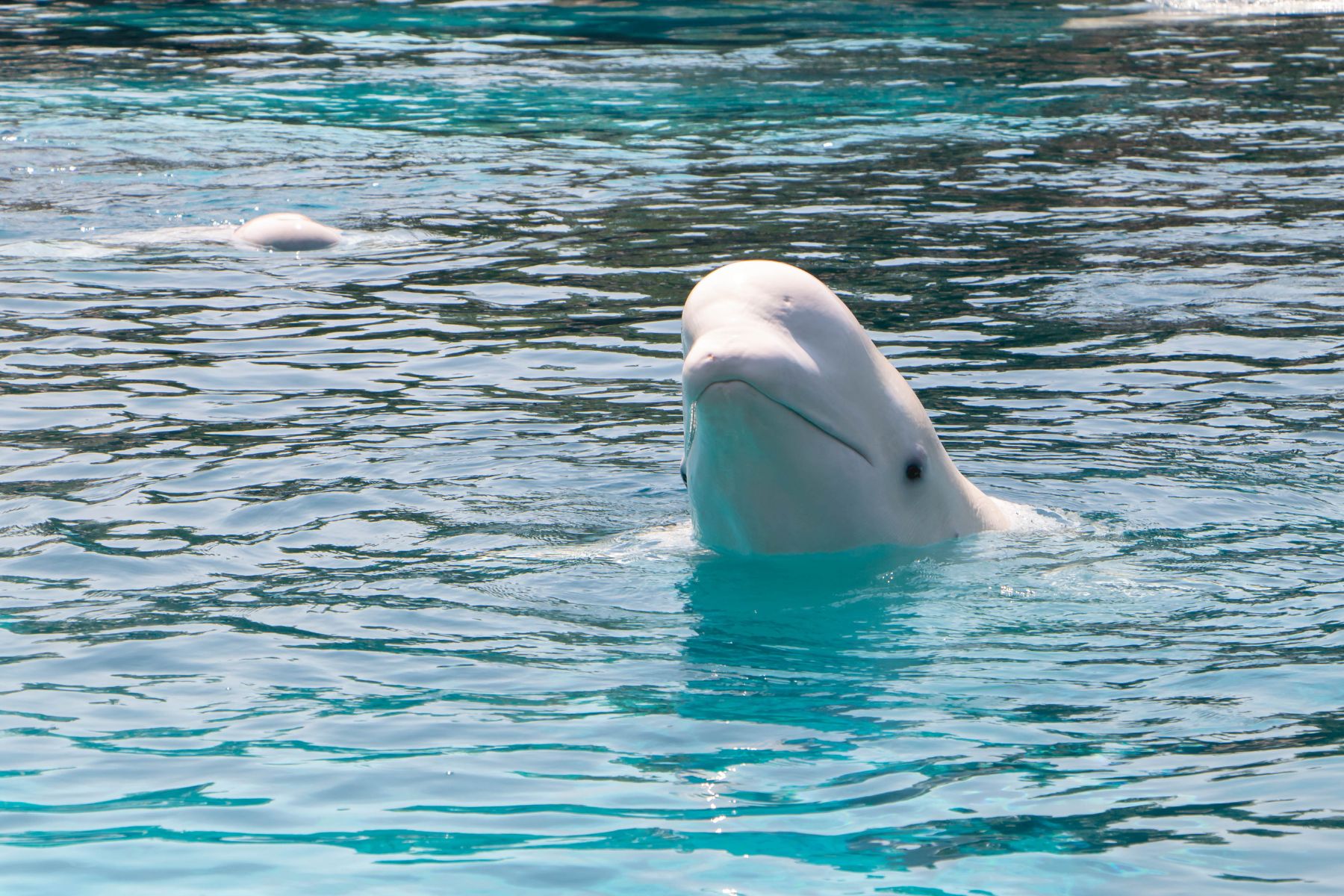
There is no justification for killing these majestic animals. Ideally, these whales should be sent to sanctuaries, or at the very least aquariums with conditions that are meaningfully better than Marineland, and where they will not be used for breeding. The Whale Sanctuary Project in Nova Scotia is preparing a seaside refuge that could house around 10 belugas in a natural environment 100 times larger than Marineland’s tanks. Supported by Mi’kmaq partners, universities, and local communities, the sanctuary could be ready for arrivals as soon as 2026 once it receives final approvals from the Government of Nova Scotia.
Ontario Has the Power to Intervene
Animal Justice’s action plan outlines how the Ontario government can act immediately under the PAWS Act, which empowers officials to intervene when animals are in distress. Authorities can order independent health assessments, improve the conditions in which they are being held, provide needed veterinary care, and bill Marineland for the costs. Marineland is currently up for sale, and funds could be recovered once the property is sold—a property that is likely worth hundreds of millions of dollars.
Transport is an extremely stressful process for whales and dolphins. Unfortunately, some of these animals may not be healthy enough to endure transport anywhere at this time, so a plan is also needed to ensure that those animals who remain on site receive improved veterinary care and that conditions at the shuttered park are improved. After being used to entertain millions of visitors over decades, these animals deserve to spend their remaining days in a well-maintained and dignified environment.
Marineland’s beluga whales are living in increasingly dire conditions. Since 2019, 20 belugas and dolphins, and many other animals, have died. Tanks remain overcrowded, and repeated welfare violations have been documented. Ongoing demolition and financial instability at the now-closed facility are adding even more stress to the animals. A former trainer recently spoke out about crumbling tanks and malfunctioning equipment that is putting the health and well-being of whales and dolphins at risk.
Our plan calls for:
- Immediate welfare inspections and independent veterinary exams.
- Improved on-site care.
- Coordinated federal-provincial action to relocate healthy belugas to sanctuaries or accredited aquariums that meet Canada’s welfare standards where they will not be used for breeding.
- Public-private partnerships to help fund safe transport and ongoing care.
A Path Forward for the Remaining Marineland Beluga Whales
Canada’s 2019 ban on cetacean captivity (Bill S-203) made it illegal to breed or use whales and dolphins for entertainment. Marineland is the last facility holding these species—30 belugas and four dolphins. With the park now closed and for sale, governments have both the moral and legal duty to secure safe futures for every remaining whale and dolphin.
What Happens Next
Animal Justice will continue pushing for urgent government intervention to protect the Marineland beluga whales and ensure that as many as possible are relocated to sanctuary environments. Every beluga whale deserves safety, care, and a life free from suffering—not a death sentence. Please join us in speaking up!