
Key Takeaways:
- Agricultural front groups disguise industry public relations as education. Organizations like Farm & Food Care and the Canadian Centre for Food Integrity present themselves as trusted sources of information while promoting the interests of the agriculture industry.
- Industry-backed messaging campaigns influence public opinion and policy. These groups work to build public trust in industrial agriculture, often shifting attention away from animal cruelty, environmental harm, and the need for stronger regulations.
- Taxpayer dollars help fund agricultural public relations. Governments across Canada have invested millions in public trust initiatives, while farmed animals continue to suffer under inadequate protections.
- Front groups use five key tactics to protect industry interests: Deny, Delay, Discredit, Derail, and Distract.
- Canada needs stronger farmed animal protection laws, not more industry propaganda. Animal Justice is calling for comprehensive federal legislation, enforceable animal welfare standards, and independent oversight.
Across Canada, agricultural front groups are working to shape public perceptions of food and farming while concealing the horrors of animal agriculture. These industry-backed organizations present themselves as neutral sources of information, while promoting the interests of the industries behind them.
When Canadians hear the names of organizations like Farm & Food Care, the Canadian Centre for Food Integrity, and Agriculture in the Classroom, they often assume these groups are objective sources of information promoting food system literacy and transparency. But a closer look reveals a much more troubling picture. In reality, agricultural front groups actively work to mislead the public.
Behind these names is a network of agricultural organizations, industry associations, and public relations professionals working to shape how Canadians think about food and farming. Their efforts go beyond providing information: they help protect industry interests, influence public policy, and steer conversations away from the disturbing realities of Canada’s food system. Rather than addressing growing concerns about large-scale industrial farming, animal cruelty, and environmental harm, these efforts often focus on managing how the public sees the industry.
A new report and exposé by Animal Justice investigates this troubling growing network. Together, they expose the origins, strategies, and influence of agricultural front groups in Canada, revealing how industry messaging has infected Canada’s food system—and how it deeply harms farmed animals.
Watch the Exposé
Front Groups: Public Relations Disguised as Public Education
Agricultural front groups often present themselves as independent consumer educators. But their relationships with industry raise concerning questions about whose interests they actually serve.
For decades, industries facing growing public scrutiny have relied on public relations campaigns to protect their reputations, cast doubt on criticism, and delay stronger regulation. In industrial agriculture, undercover investigations revealed widespread animal suffering inside intensive farming operations, while growing concerns about environmental destruction, food safety, pesticide use, corporate consolidation, and the treatment of agricultural workers challenged the industry’s carefully cultivated image.
Dozens of undercover exposés in Canada have shown horrifying cruelty to animals, including workers beating mother pigs, sick and injured hens in filthy, tiny wire cages, newborn cows being violently ripped away from their mothers, and animals having their throats slit while still conscious.
For an industry increasingly facing criticism, these concerns presented a public relations problem. Instead of fundamentally changing their harmful practices, corporate agribusiness began investing in a different strategy: changing the conversation.
American public relations consultant Charlie Arnot spearheaded this approach. Arnot established a public relations business specializing in agriculture, and developed what he called the “Trust Model”. The model argues public trust grants an industry the “social licence” to operate with minimal regulation, while declining trust invites greater government and consumer scrutiny.
The strategy focused on building connections with consumers through shared values, carefully selected experts, and relatable messengers—particularly farmers—rather than directly addressing the practices attracting public criticism.
Arnot went on to establish the US-based Center for Food Integrity (CFI) to promote this approach. Despite presenting itself as a source of objective consumer information, CFI’s work has been closely connected to the interests of the agriculture industry, with membership fees supporting industry research, communications resources, public relations training, and coordinated messaging.
The model eventually crossed the border into Canada.
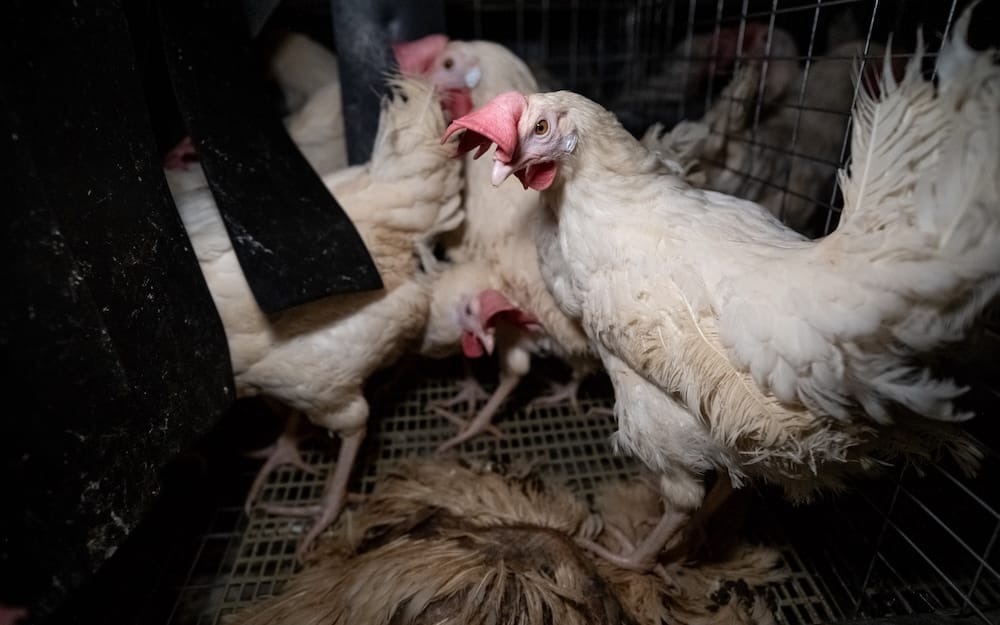
Photo: Abigail Messier | We Animals
How the American Playbook Took Root in Canada
In the 2010s, Arnot partnered with Canadian agribusiness groups to export his tactics north. One important relationship was with the Farm & Food Care Foundation—the charitable wing of Farm & Food Care Ontario—which partnered with CFI in 2012 to host a forum on sustainable animal agriculture. In 2015, Arnot presented at Alberta’s Social Licence in Agriculture Conference. Soon after, the Canadian Centre for Food Integrity (CCFI) launched to replicate its American counterpart.
The influence of this approach did not remain confined to industry communications. Public trust became an increasingly prominent government priority, with agricultural organizations advocating for public funding to support related initiatives. For example, in 2015, the Canadian Federation of Agriculture recommended that “social licence” be considered in the development of the next agricultural policy framework. The following year, federal, provincial, and territorial agriculture ministers identified public trust as one of six priority areas for agricultural funding.

Following this lobbying, governments across Canada poured hundreds of millions of taxpayer dollars into these messaging strategies. Consequently, public funds now subsidize corporate spin instead of animal welfare. And while considerable resources are directed toward building confidence in the food system, the underlying concerns that fuel public scrutiny—including harmful farming practices and inadequate animal welfare protections—remain unchanged.
Five Tactics Used by Agricultural Front Groups
Industry organizations rely on five primary tactics to manipulate Canadian public opinion:
- Deny: Reject or downplay facts, evidence, and scientific findings that conflict with industry interests.
- Delay: Suggest that urgent problems can wait, or that other priorities deserve attention first.
- Discredit: Undermine critical research, policies, journalists, advocates, and independent scientists.
- Derail: Redirect conversations away from industry responsibility by shifting blame or introducing distractions of irrelevant concerns.
- Distract: Promote positive stories and superficial claims that divert attention away from harmful practices.
These tactics are visible in campaigns that frame criticism of farming as a misunderstanding of modern agriculture, rather than an opportunity to examine whether industry practices are acceptable. The result is a carefully managed public conversation in which industry perspectives are amplified, criticism is challenged, and meaningful discussion about the need for reform can be pushed aside.
Canada Needs Farmed Animal Protection Laws—Not Industry Public Relations
Our new report and exposé uncover how agricultural front groups manipulate public perceptions and influence policy in Canada. By disguising public relations as education, casting criticism as misinformation, and redirecting attention away from harmful practices, agricultural front groups protect factory farming from meaningful scrutiny. These tactics don’t address the problems facing animals. They make it harder to confront them.
When industry public relations is allowed to shape public debate and influence government priorities, accountability takes a back seat. Canadians deserve more than carefully managed messaging, and farmed animals need more than broken promises and public trust campaigns. They need meaningful protections backed by enforceable laws and independent oversight.
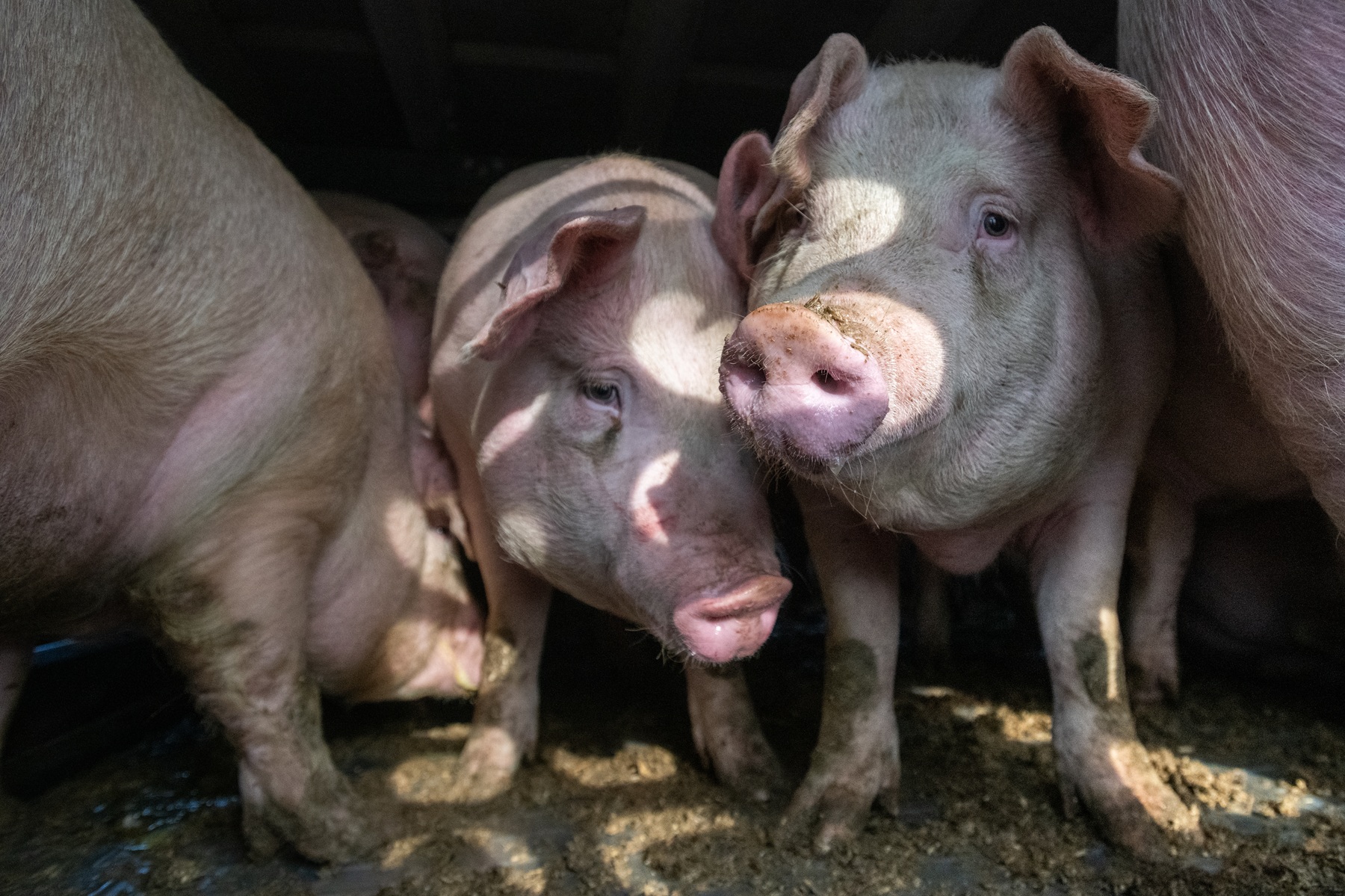
Currently, hundreds of millions of animals continue to be raised in intensive systems where cruel practices are permitted under weak or outdated standards.
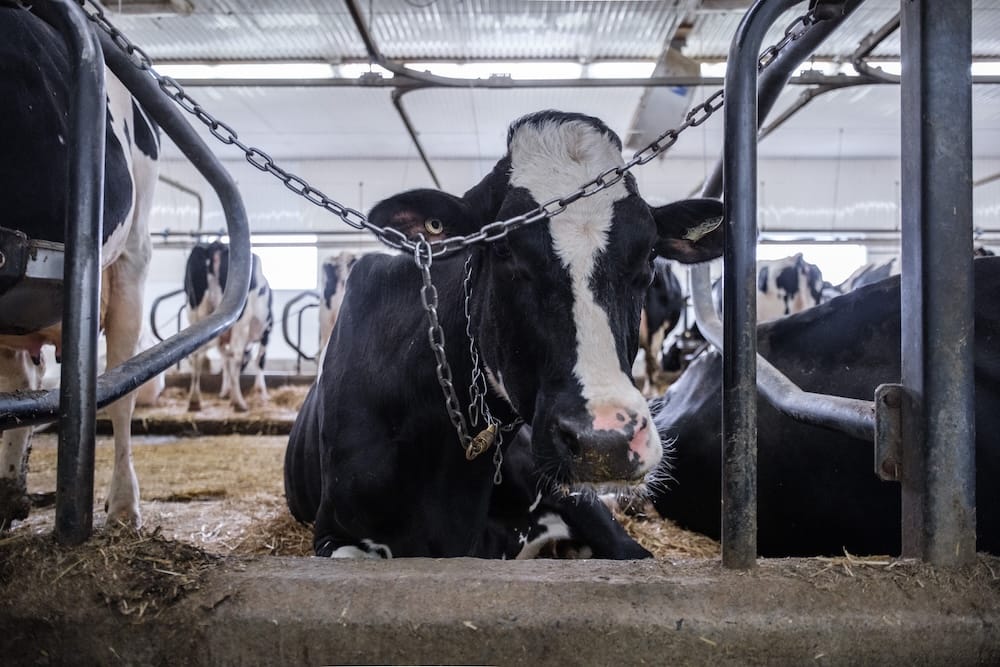
Photo: Ira Moon | We Animals
Voluntary industry commitments and self-regulation have repeatedly failed to deliver the meaningful protections animals need.
Canada needs a different approach. The federal government must stop funding industry-led public relations initiatives. Instead, lawmakers must take responsibility for farmed animal welfare and introduce comprehensive federal legislation. This would establish meaningful minimum standards of care, ensure independent oversight, and hold the agriculture industry accountable for its treatment of animals.
The interests of powerful agricultural corporations should never take priority over the welfare of the animals whose lives depend on our laws. Real progress will come from changing the conditions animals endure, not from changing the story told about them.
Join Animal Justice in calling on the federal government to introduce federal farmed animal protection legislation.
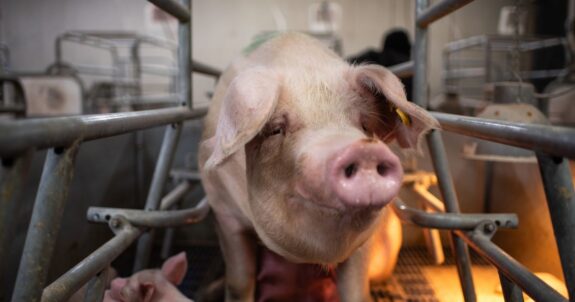
Banner: Pig in crate at Quebec farm. Credit: Balvik C. | We Animals
Frequently Asked Questions
What is an agricultural front group?
An agricultural front group is an organization that presents itself as an independent or neutral source of information while advancing the interests of the agriculture industry. These groups often use educational campaigns, public relations strategies, and carefully crafted messaging to influence how the public views food and farming.
What are some examples of agricultural front groups in Canada?
Animal Justice’s new report examines organizations including Farm & Food Care, the Canadian Centre for Food Integrity, and Agriculture in the Classroom. These groups promote agricultural education and public trust while maintaining close ties to industry interests.
How do agricultural front groups influence public opinion?
Agricultural front groups use five primary tactics: Deny, Delay, Discredit, Derail, and Distract. These strategies can involve downplaying animal cruelty, discrediting critics, delaying reforms, and promoting positive industry messaging to divert attention from harmful farming practices.
Are agricultural front groups funded by taxpayers?
Yes. Governments across Canada have provided millions of dollars in funding for agricultural public trust and communications initiatives. Animal Justice is calling for an end to taxpayer funding for industry-led public relations campaigns and for greater investment in meaningful farmed animal protections.
Why are agricultural front groups harmful to farmed animals?
By downplaying cruelty and influencing public perceptions, agricultural front groups can undermine efforts to improve conditions for farmed animals. Their messaging helps protect industry interests while diverting attention away from cruel practices and the urgent need for stronger animal protection laws.
How can Canada better protect farmed animals?
Canada needs comprehensive federal farmed animal protection laws that establish enforceable standards of care, independent oversight, and accountability for animal cruelty. Rather than relying on industry self-regulation and public relations campaigns, governments must prioritize the welfare of animals.