


In a monumental win, Ontario has banned cat declawing, as well as the debarking and ear cropping of dogs, effective January 1, 2027. This long-awaited victory represents a huge leap forward for companion animals in the province, finally putting an end to these painful, medically unnecessary cosmetic procedures.
These cosmetic mutilations are widely recognized as causing unnecessary pain and long-term harm without medical benefit, and they are not supported by the Canadian Veterinary Medical Association. Before this ban, Ontario was the only Canadian jurisdiction where these procedures were still permitted. In other provinces, they have either been legally banned or they are prohibited by veterinary associations.
Cat Declawing
Also known as partial digital amputation, declawing involves amputating the last joint of a cat’s toes. Cats’ claws are essential to how they experience the world. Declawing is painful, irreversible, and can lead to chronic pain and lifelong behavioural issues.
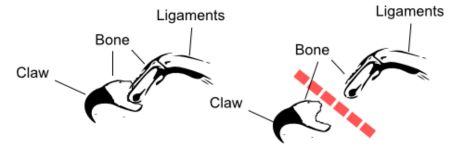
Photo: Wikimedia Commons | Turn685
Ear Cropping
Cutting off dogs’s ears is done entirely for cosmetic reasons, typically performed on puppies between six and twelve weeks of age to meet cruel and arbitrary “breed standards”. Dogs often communicate using their ears, so cropping them strips dogs of a vital communication tool. Losing their ears is painful, unnecessary, and forces dogs to endure potential lifelong health and behavioural complications.
The surgery, which partially or completely removes the dog’s earlobes, is often followed by “posting”—where a puppy’s ears are taped over foam supports to train them to stand upright. The process can last anywhere from a month to a year. Dogs whose ears are amputated are susceptible to infection and severe blood loss. Long-term, they may experience phantom pain, permanent sensitivity to wind and cold, impaired hearing, and an increased risk of chronic ear infections.

Photo: Flickr | jsmjr
Debarking/Devocalizing
Debarking is an invasive surgery that removes or alters a dog’s vocal cords to permanently reduce the volume and pitch of their bark, often leaving the animal with a raspy, muffled wheeze. Barking is a natural canine behaviour and a vital form of communication. Stripping dogs of their voice is psychologically distressing and physically cruel.
This procedure can result in complications including bleeding and infection, and even chronic coughing and respiratory distress.
Next, Let’s Ban Tail Docking
Thanks to the tireless advocacy of animal protection groups, veterinarians, and concerned Canadians, animals will no longer be forced to endure these cruel practices for human convenience or cosmetic preferences. However, the practice of tail docking remains legally permitted. Though the government originally promised to address all cosmetic mutilations, it eventually dropped tail docking.
Slicing off a dog’s tail for aesthetic reasons, usually performed when puppies are just a few days old without pain killers, is just as cruel and dangerous as cropping ears or removing claws. It can cause acute pain, and hinders a dogs’ ability to socially interact with other animals.
We’re asking the Ontario government to take the final step and join British Columbia, Alberta, Manitoba, New Brunswick, Nova Scotia, Prince Edward Island, Quebec, and Newfoundland and Labrador in banning tail docking once and for all.