


Key Takeaways:
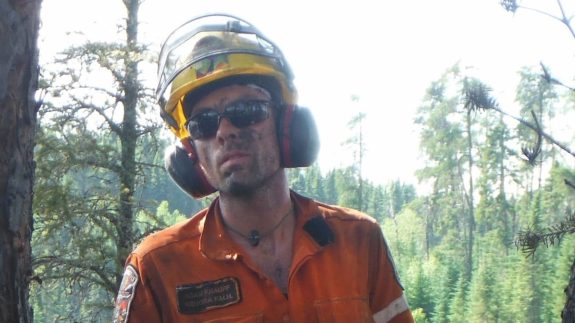
- Adam Knauff is an ethical vegan firefighter who was left without proper vegan meals while fighting fires in British Columbia in 2017. He repeatedly attempted to work with management to improve the situation, but it did not improve. After expressing his frustration, he was sent home, disciplined, and suspended without pay for a period of time.
- Animal Justice helped Adam Knauff bring his case to the Human Rights Tribunal of Ontario, arguing that ethical veganism is a protected “creed,” a belief system that shapes a person’s life and identity.
- Although Mr. Knauff’s case lost and was denied leave to appeal on a technicality, the question of whether ethical veganism is a protected creed under Ontario human rights law remains open, leaving the door open for a future case to establish this important protection.
- Alongside a coalition of public interest organizations, Animal Justice successfully pushed the Court of Appeal to update an appeal framework that had not been revised in over 50 years.
Firefighter Adam Knauff has been denied leave to appeal the dismissal of his groundbreaking anti-vegan discrimination case.
While Animal Justice is disappointed that this is the end of the road for Mr. Knauff—and the question of whether ethical veganism is a protected creed under the Ontario Human Rights Code remains open—this case still achieved a major legal victory.
Alongside a coalition of public interest organizations, Animal Justice successfully pushed the Court of Appeal to update an appeal framework that had not been revised in over 50 years. This legal victory will ensure greater access to justice for marginalized groups across Ontario.
The Story Behind the Vegan Discrimination Case
For over 25 years, Adam Knauff has been vegan to protect animals. While battling dangerous wildfires in British Columbia in 2017, his employer repeatedly failed to provide him with proper vegan meals, leaving him hungry for days while doing vital and demanding physical work. After expressing his frustration that he could not eat, he was sent home, disciplined, and suspended without pay for a period of time.
Animal Justice helped Mr. Knauff take his case to the Human Rights Tribunal of Ontario (HRTO), where we argued that ethical veganism should be protected under Ontario’s Human Rights Code as a form of “creed”—a term that includes more than just religious beliefs. In 2015, the Ontario Human Rights Commission overhauled its creed policy, stating, “Creed may also include non-religious belief systems that, like religion, substantially influence a person’s identity, worldview and way of life.”
The Tribunal dismissed the case, claiming veganism wasn’t a creed because it “does not address the existence or non-existence of a Creator.” Mr. Knauff sought judicial review of the HRTO’s decision from the Divisional Court of Ontario. The Court dismissed the case on a procedural technicality; it did not decide whether ethical veganism was a protected belief.
How the Court Rules Changed for the Better
The case went to Ontario’s highest court, the Court of Appeal, seeking permission to appeal. Animal Justice and other public interest groups, including Advocacy Centre for Tenants Ontario, Canadian Civil Liberties Association, Centre for Free Expression, Democracy Watch, and Income Security Advocacy Centre, intervened in the case.
Together, we argued that courts should give greater consideration to the public importance of a case when deciding whether to hear an appeal. The judges agreed that the decades-old framework needed to be updated and created a new standard for future cases.
First, an appeal must raise a real, debatable legal question. Second, that question must be important to the public. This could mean the issue affects a broad group of people, involves fundamental rights or interests, or could help shape how Ontario law develops in the future.
By placing greater focus on issues of public importance, the updated framework gives public interest cases—including those involving animal protection, environmental issues, and human rights—a clearer path to being considered by Ontario’s highest court.
Ethical Veganism Could Still Be Recognized as a Protected Creed
Even though the Court created a framework that expands access to justice, it denied Mr. Knauff leave to appeal. This brings a long journey to an end for Mr. Knauff. His nine years of fighting made headlines and prompted many employers to improve their policies for protecting vegans in the workplace. There is still hope that a future case can establish ethical veganism as a protected belief under Ontario human rights laws. If you’ve faced discrimination as a vegan in Ontario, reach out to Animal Justice for information about your rights.
Frequently Asked Questions
What happened to Adam Knauff?
Professional firefighter Adam Knauff has been an ethical vegan to protect animals for over 25 years. While working in a remote area of British Columbia in 2017, he was denied proper vegan meals by his employer, leaving him hungry for days while doing vital and demanding physical work. After expressing his frustration that he could not eat, he was sent home, disciplined, and suspended without pay.
How did Adam Knauff’s case change the court rules for everyone else?
His case pushed the Court of Appeal to update a 50-year-old framework and create a simpler, modern two-part test. Now, the court decides to hear appeals based on whether the legal question is debatable and whether it holds broad importance to the public.
How does this outcome help future animal rights and human rights cases?
By placing greater focus on issues of public importance, the updated framework gives public interest cases—including those involving animal protection, environmental issues, and human rights—a clearer path to being considered by Ontario’s highest court.
Why did Animal Justice support Adam Knauff’s anti-vegan discrimination case?
Animal Justice supported Adam Knauff’s case because we believe people should be protected from discrimination for deeply held ethical beliefs about animals. Recognizing ethical veganism as a protected creed could help ensure that ethical vegans receive reasonable accommodations and equal treatment under Ontario human rights law. The case also achieved an important legal victory, helping modernize Ontario’s appeal framework to give greater consideration to cases that raise issues of public importance.