



Key Takeaways:
- Animal Justice is intervening in a Supreme Court of Canada case involving Toronto’s Ontario Place redevelopment, arguing that governments should not be able to shield themselves from legal accountability for decisions that harm animals and wildlife habitats.
- Ontario Place provides important habitat for wildlife, including minks, beavers, and migratory birds. The province already bulldozed over 850 trees that were home to these animals.
- Ontario passed a law to limit legal challenges to the redevelopment, raising serious concerns about the public’s ability to hold the government accountable for environmental harm.
- The Supreme Court’s decision could have national implications for the rule of law and the ability of animal protection organizations to challenge government decisions that threaten animals and their habitats.
Animal Justice is intervening in an important Supreme Court of Canada case today about Toronto’s Ontario Place redevelopment. This landmark appeal could decide whether governments can shield themselves from legal accountability for harming animals and wildlife habitats.
Since 1971, Ontario Place, which sits on human-made islands, has evolved into a thriving green space. This urban haven provides essential habitat for local wildlife and acts as a critical flyover zone for migratory birds.
Why Development Threatens Ontario Place Wildlife
The Ontario government recently approved a massive redevelopment project on the site featuring a sprawling glass spa complex. Construction workers have already bulldozed roughly 850 trees, destroying animal habitats and putting local minks, beavers, and migratory birds at risk.
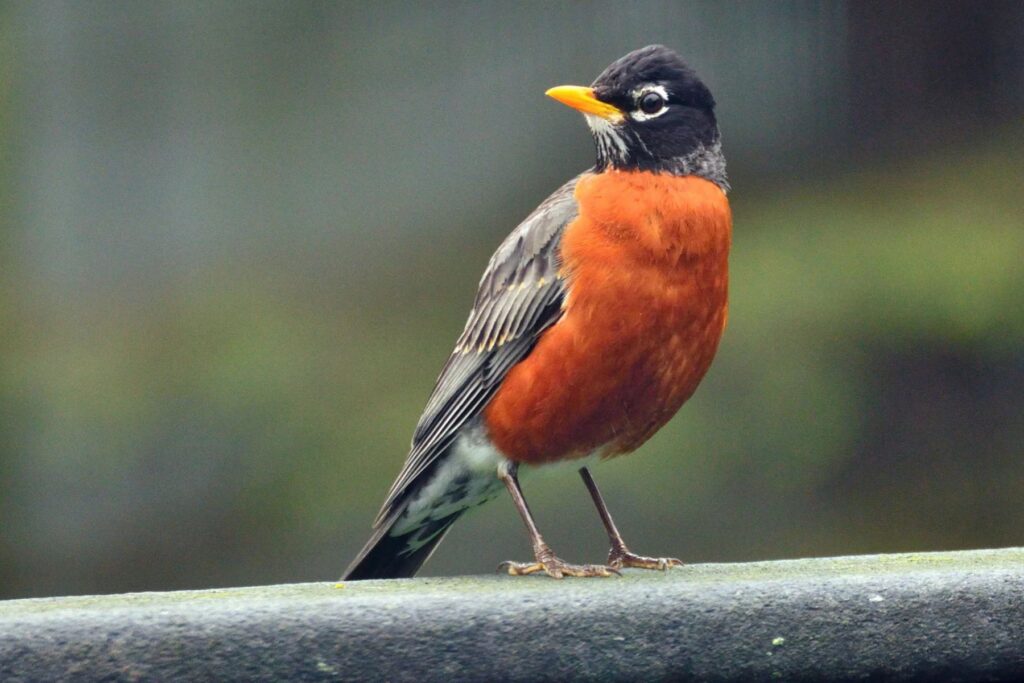
Furthermore, experts warn that the proposed glass structures could be disastrous for migratory birds navigating the lakefront corridor, including Yellow Warblers, American Robins, Chimney Swifts, and Eastern Wood-Pewees. Advocates also fear the loss of crucial nesting sites for the Barn Swallow, a species designated as being of “special concern” under Ontario’s Endangered Species Act.
To block potential lawsuits over environmental damage, the province passed the Rebuilding Ontario Place Act in 2023. This law removes nearly every legal path for the public to challenge the government in court. After the Ontario Court of Appeal upheld the law, a local group called Ontario Place Protectors has taken the fight to the Supreme Court of Canada.
BREAKING: Animal Justice is at the Supreme Court of Canada today fighting for government accountability when animals & their habitats are harmed! #OntarioPlace in Toronto is home to diverse wildlife, including migratory birds, minks, & beavers. But the Ontario government’s massive redevelopment project has already destroyed hundreds of trees, threatening crucial wildlife habitat ⚠️ The province passed a law shielding itself from lawsuits related to the redevelopment. Now, Animal Justice is intervening in a landmark Supreme Court case challenging that law.
— Animal Justice (@AnimalJustice) October 15, 2026
Animal Justice Fights for Absolute Legal Accountability
Animal Justice is arguing that the government cannot give itself total immunity from lawsuits. In this Ontario Place court case, our legal team from Circle Barristers will highlight two important factors:
- Asymmetry: The law creates an unfair situation. The province can sue private citizens, but citizens cannot sue the government back.
- Breadth: The law wipes out an incredibly wide range of legal remedies. It strips away the exact tools that courts need to stop harmful construction.
Animals cannot fight governments themselves. Law is one of the few tools that can be used for humans to protect them.
The Supreme Court’s decision in this appeal will have significant implications for governments’ ability to permit large-scale harm to wildlife with total immunity.
The Ontario Place Court Case Has National Implications
This case is not solely a local Toronto dispute about development. It is an appeal with significant national implications for the rule of law. Animal Justice regularly brings court cases to challenge decisions that harm animals. Our work relies entirely on the principle that the government must follow the law.
We have a long history of fighting before Canada’s highest courts. For instance, we intervened in R v DLW and Council of Canadians with Disabilities v British Columbia.
Sign up for the Animal Justice mailing list to stay up to date on this case and our work to give animals a voice in courtrooms and protect the rule of law in Canada.
Frequently Asked Questions:
Why is Animal Justice intervening in the Ontario Place court case?
Animal Justice is intervening to argue that governments should not be able to shield themselves from legal accountability when their decisions harm animals and wildlife habitats. The case could have significant implications for animal protection laws across Canada.
Why is Ontario Place important for wildlife?
Ontario Place provides habitat for local wildlife, including minks and beavers, and is a stopover for migratory birds. Ontario passed laws to fast-track the development of the land, including building a large private spa and waterpark, by exempting the project from environmental assessment laws and limiting legal claims against the government related to the project.
How does the Ontario Place redevelopment threaten animals?
The redevelopment has already resulted in the removal of roughly 850 trees, destroying wildlife habitats. Proposed large glass structures could also pose serious collision risks for migratory birds, while habitat loss threatens nesting sites for species like the Barn Swallow. Animal Justice’s intervention before the Supreme Court of Canada focuses on the legal implications of the case for the rule of law, including laws designed to protect the well-being of animals.
What is the Rebuilding Ontario Place Act?
Ontario passed laws in 2023 to limit legal challenges to the redevelopment project and fast-tracks the redevelopment by exempting it from environmental assessment laws. Animal Justice is concerned that the law undermines the public’s ability to hold the government accountable for decisions that harm animals and the environment.
How could the Ontario Place case impact animal protection across Canada?
The case raises important questions about whether governments can dodge lawsuits over actions that harm the public, the environment, and animals. The Supreme Court’s decision could affect the ability of animal protection organizations and members of the public to challenge harmful government decisions across Canada.