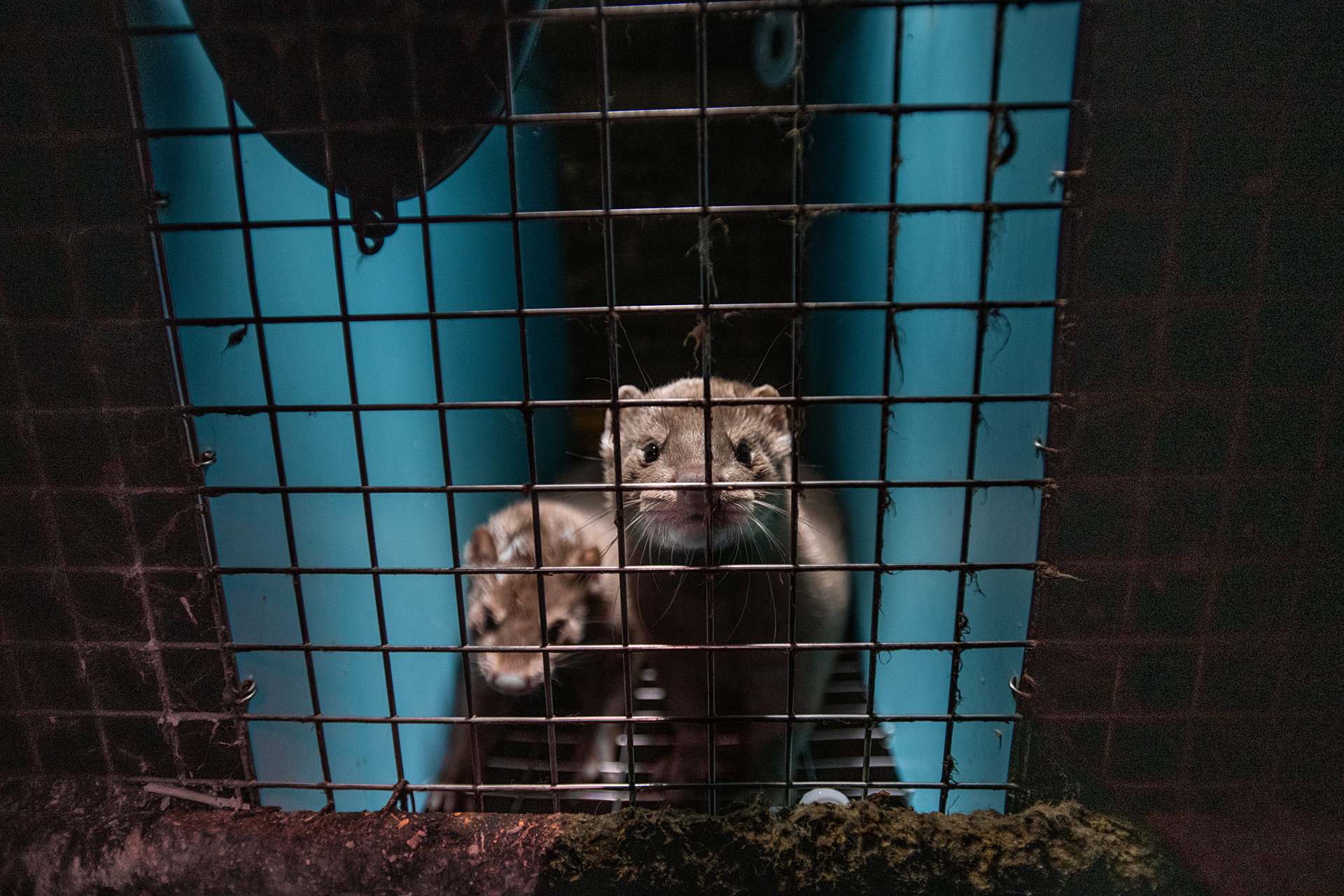

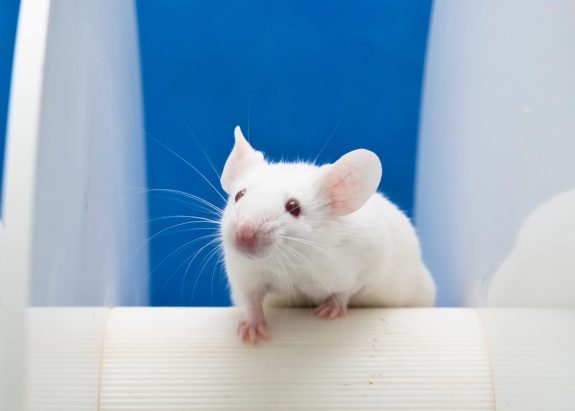

It’s time to move away from cruel animal research in Canada. While countries around the world are phasing out harmful and outdated animal tests and developing cutting-edge, animal-free alternatives, over 3 million animals continue to suffer behind closed doors in labs every year in this country.
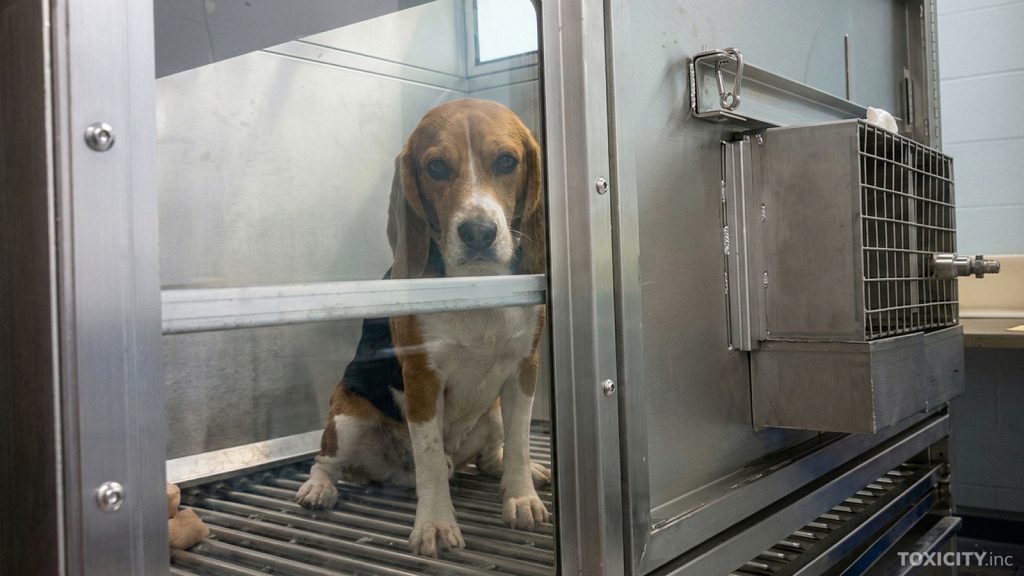
Animals including mice, rats, rabbits, dogs, and monkeys used in laboratories experience heartbreaking lives of pain and deprivation. They are forced to live in barren cages, are often restrained against their will, and can be made to ingest or inhale toxic substances or endure chemicals burning their eyes or skin.
However, scientific progress now offers a more compassionate path forward that aligns with modern values—and doesn’t rely on animals.
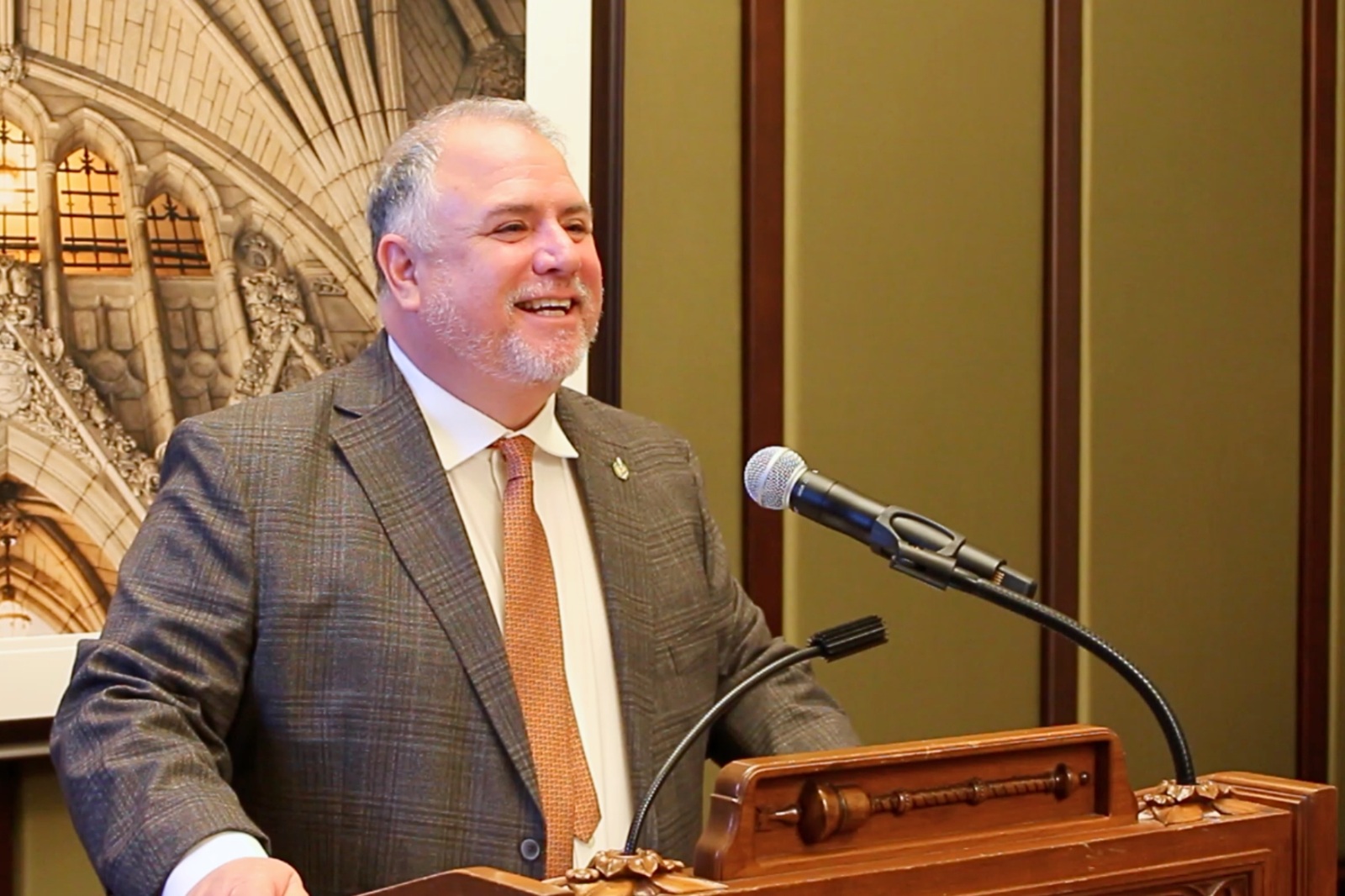
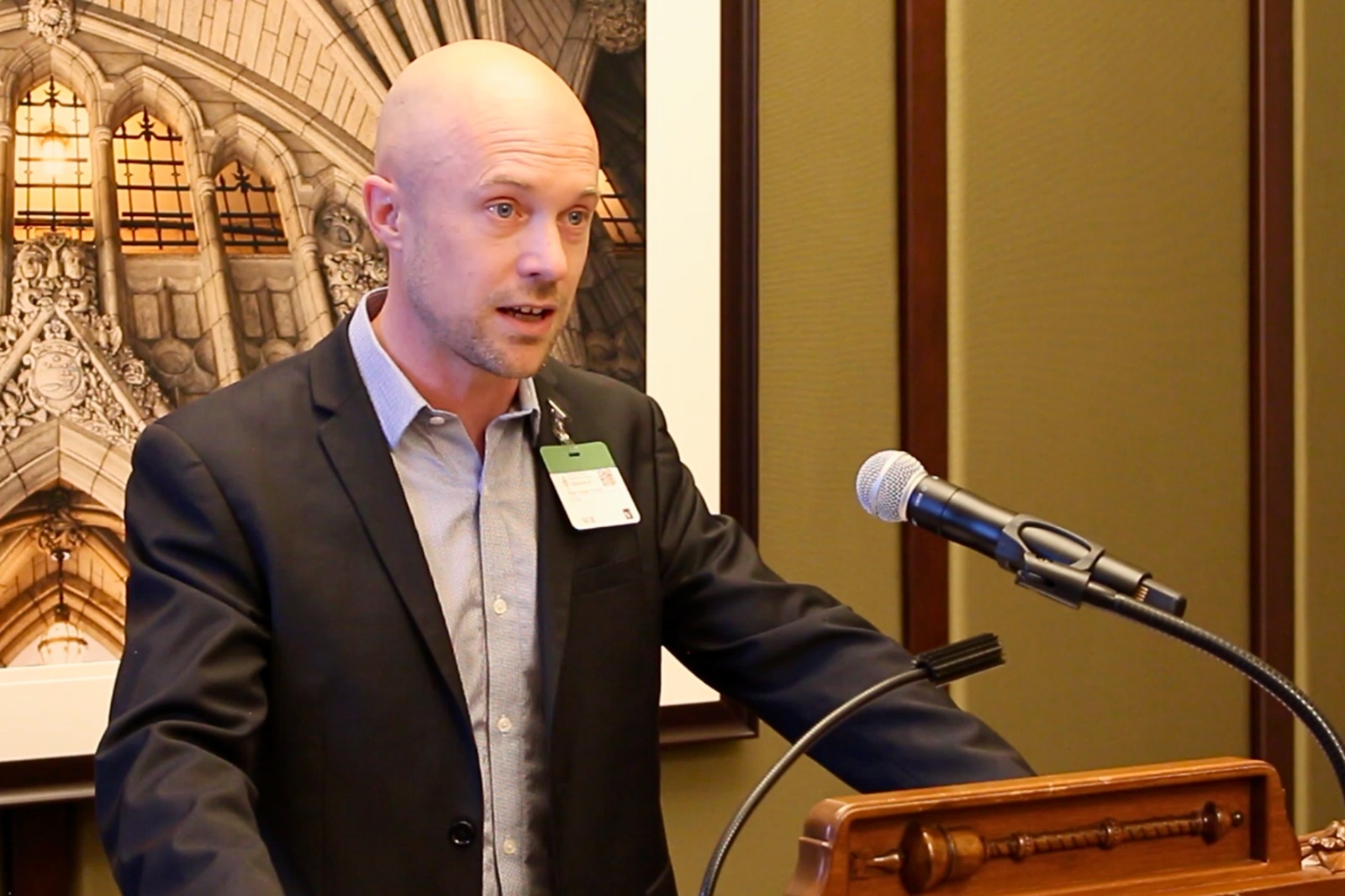
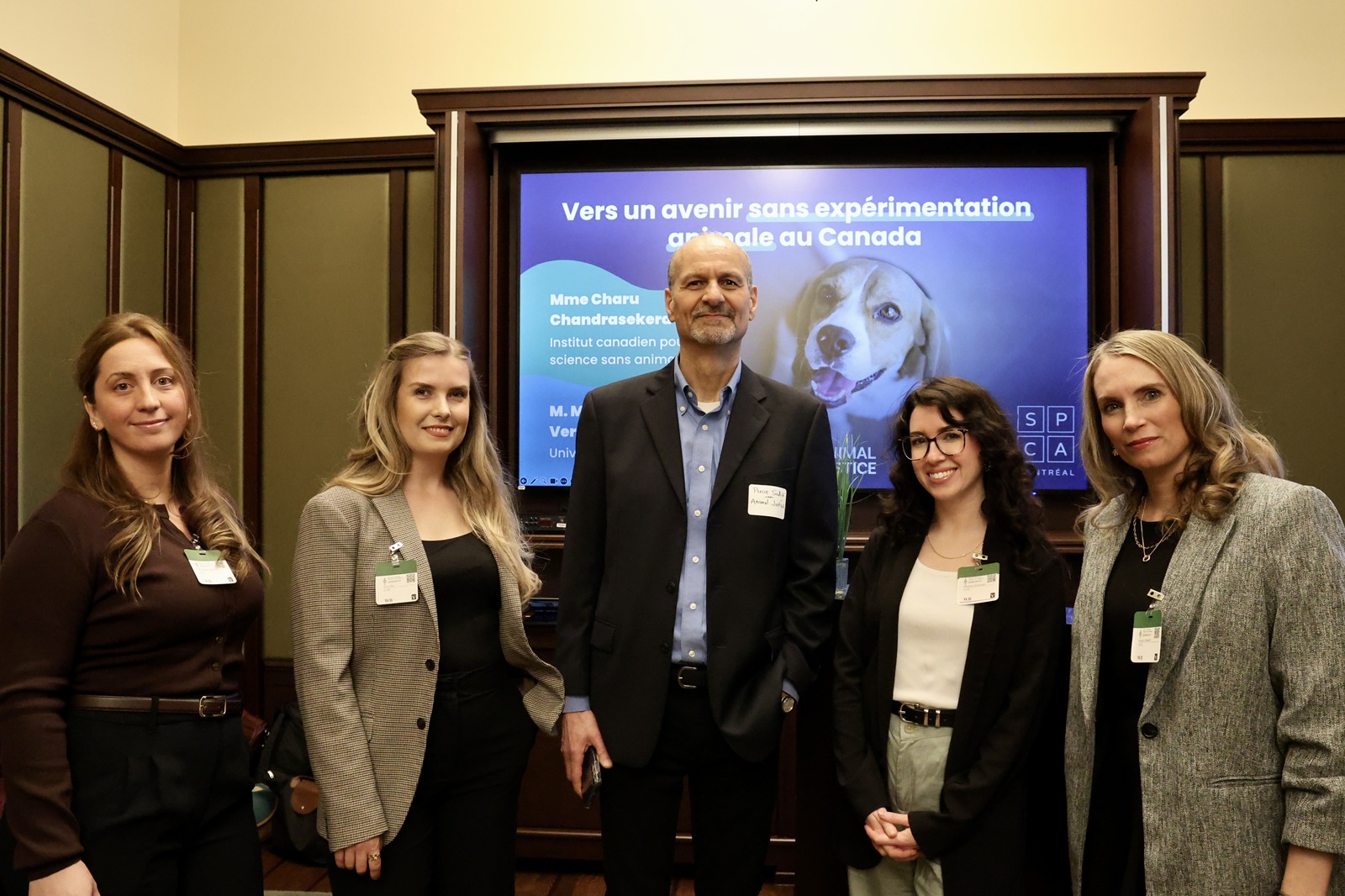
On April 27, a non-partisan group of parliamentarians joined Animal Justice, Humane Canada, and the Montreal SPCA for an important reception on phasing out animal testing in Canada. Assistant Deputy Speaker MP Alexandra Mendès hosted the event alongside MPs Shannon Miedema (Liberal), Andréanne Larouche (Bloc Québécois), Gord Johns (NDP), and Elizabeth May (Green Party). Together, they explored how Canada can end the use of dogs, cats, and other animals in research, while adopting research methods that are less expensive and better at predicting human health than traditional animal models.
Leading Canadian scientists, Professor Dr. Marc-André Verner of the University of Montreal and Dr. Charu Chandrasekera of the Canadian Institute for Animal-Free Science, shared powerful insights into the future of animal-free research during the reception.





Global Momentum for Animal-Free Science
Countries around the world are moving toward humane, animal-free science. For example, the European Union is investing heavily in innovative non-animal research methods. These technologies often produce results that are more relevant to human biology than traditional animal tests.
Animals like mice and dogs have vastly different physiology from humans, which explains why over 90 percent of drugs shown to be safe and effective in animal tests ultimately fail in human trials.
In 2023, after years of advocacy by Animal Justice and other animal protection groups, Canada passed Bill S-5—a groundbreaking law that includes key requirements to phase out painful toxicity tests on animals. That same year, Canada also banned cosmetic animal testing.
Despite these strong new national laws for animals in laboratories, the federal government has failed to fund the only national centre dedicated to innovative animal-free science: the Canadian Centre for Alternatives to Animal Methods, now known as the Canadian Institute for Animal-Free Science. The centre, which was previously based at the University of Windsor, was forced to shut down.
Over 90 percent of drugs shown to be safe and effective in animal tests ultimately fail in human trials. Share on XThis is a major setback for efforts to advance animal-free science in Canada and stay on track to meet the federal goal of phasing out toxicity testing by 2035.
Other Western countries invest heavily in animal-free research centres through substantial annual funding. For instance, national centres dedicated to developing non-animal methods in the Netherlands, United States, Brazil, Japan, South Korea, and the United Kingdom all receive significant federal investment to carry out their vital work. By supporting this important work and modernizing our research systems, Canada can join these international partners as a global leader.
We have the opportunity to champion both scientific innovation and compassion for animals. Transitioning away from animal testing in Canada is not only a kinder choice—it is also a smarter and more effective way to protect human health and the environment.
Innovative Tools are Replacing Animal Testing
We must do better for the millions of animals used in Canadian laboratories each year. Safer, modern technologies already exist, and they represent the future of medical research. Canada can avoid falling behind the rest of the world—scientifically, ethically, and economically—by supporting the development, validation, and use of non-animal methods and working toward ending animal experimentation as quickly as possible.
Alternatives to animal testing include:
- In vitro methods: Laboratory studies using cells or tissues outside a living organism, such as in petri dishes or test tubes.
- Computer modelling and simulation: Digital simulations used to predict drug behaviour and biological processes in the human body.
- Organ-on-a-chip technology: Microfluidic devices containing living cells that simulate human organ function.
- Human-derived models: The use of human cells and tissues, including 3D bioprinted tissue models.
- Microdosing: Administering extremely small doses of drugs to human volunteers.
- Epidemiological studies: Observational human studies used to understand the health impacts of different factors.
- Virtual dissection and synthetic models: Virtual reality and artificial models used for anatomy and surgical education.
Policy leadership is essential to accelerate the validation and adoption of these tools. Canada must devote the necessary resources to replace animal experiments with these superior methods. By ending animal testing in Canada, we can better protect both human health and the well-being of animals while building a more ethical future for science.