
Key Takeaways:
- Century Downs in Alberta has indefinitely barred a jockey after Animal Justice alerted management to past animal cruelty charges.
- The ban follows footage from Assiniboia Downs in Winnipeg showing the jockey violently choking and beating a horse named Scarlett’s Flower.
- Despite facing criminal animal cruelty charges in 2024, the jockey entered into a 2025 peace bond which allowed him to continue competing at Canadian racetracks.
- Abuse is sadly common on Canadian racetracks. By requiring cameras at racetracks, future illegal abuse could be avoided.
A jockey who was previously caught on video abusing a horse at a Manitoba racetrack has now been indefinitely banned from Century Downs in Alberta.
Animal Justice reached out to Century Downs to flag that a jockey known for previous abuse was competing at the racetrack.
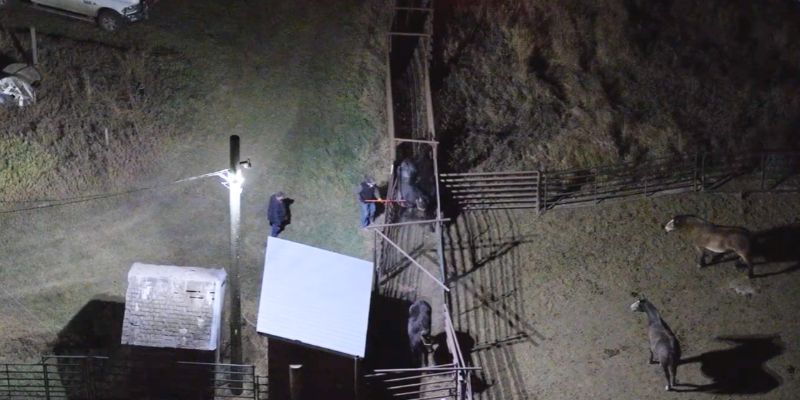
In May, we released horrific whistleblower footage showing a jockey violently beating and choking a horse at Assiniboia Downs racetrack in Winnipeg. The horse, named Scarlett’s Flower, stood in terror as the jockey grabbed her by the throat. She foamed at the mouth while being repeatedly struck in the face and whipped with her headgear while her head was pushed against a sharp wooden corner.
The footage, recorded in July 2023, raised serious concerns about the treatment of horses at Assiniboia Downs. Authorities were alerted to the abuse, as well as incidents involving punching a dog. Multiple criminal animal cruelty charges were laid against the jockey in 2024 for these incidents.
Despite the glaring evidence of abuse, the jockey did not receive a long-standing ban on being around animals. Instead, he entered into a one-year peace bond in March 2025 that banned him from owning or being around animals—yet allowed him to continue working with animals. This weak penalty allowed the jockey to start competing again this year at Century Downs in Alberta until Animal Justice brought the jockey’s previous abuse charges to the racetrack’s attention.
Canada’s Cruel Racetracks
Racehorses across Canada are frequently put through pain and abuse to serve an industry that values entertainment and profit over welfare.
In Canada, horses can be raced at as young as two years old. At two years old, a horse’s backbone is still mostly made of soft cartilage and is years away from turning into solid bone. Carrying a rider at racing speeds can crush their delicate spine, causing bones to rub together, creating severe, lifelong pain. Because of this pain, these horses often change how they run, putting extra stress on their legs and making dangerous injuries much more likely.
On top of this, horses at some racetracks are whipped, neglected, and sold at auctions for slaughter when they are no longer profitable.
Abuse at racetracks is sadly common. One review from 2024 found dozens of excessive whipping violations at Canada racetracks, including Assiniboia Downs.
Stop Abuse at Canada’s Racetracks
Cases like this raise serious concerns about the treatment of racehorses behind closed doors. Racetracks in California, Ireland, Pennsylvania, and Oklahoma have taken important steps to reduce harm by requiring cameras on the grounds.
If cameras were installed at Assiniboia Downs, this abuse may have been avoided.
Further steps must be taken to prevent this horrific cruelty.
Frequently Asked Questions
Why was the jockey banned from Century Downs in Alberta?
Century Downs banned a jockey after Animal Justice informed them about his history of animal cruelty. A whistleblower video previously showed the jockey violently choking and beating a horse at Assiniboia Downs in Manitoba.
Was the jockey convicted of animal cruelty?
No. Animal cruelty charges were laid against the jockey in 2024 and the case was resolved in March 2025 through a one-year peace bond. A peace bond is a time-limited court order with specific conditions, not a criminal conviction or a legal finding of guilt.
If the jockey was charged with animal cruelty, how was he allowed to race again?
The jockey’s 2025 peace bond stopped him from owning or personally keeping animals for a short period of time, but allowed him to continue working with animals professionally. This allowed him to resume competing at racetracks until Animal Justice intervened.
Why are racetracks in Canada cruel?
Canadian racetracks put horses at high risk of injury, chronic pain, and early death by racing them when their bones are too young and striking them with whips to force performance. Once horses are no longer fast enough to make money, many are discarded or sold for slaughter.