

Disturbing new footage shows that lions, bears, and monkeys are still suffering at Bervie Zoo in Kincardine, Ontario—potentially in illegal conditions. One of these animals appears to be Boogie, a young monkey who has been biting herself and spinning in circles inside her cage for years. Other animals are confined to small, barren cages with little to no enrichment, and clear signs of psychological anguish caused by captivity.
For the fourth year in a row, Animal Justice has filed a legal complaint with Ontario’s Animal Welfare Services (AWS), demanding urgent action to protect the animals trapped at this roadside zoo.
Watch the Video
What’s Happening to the Big Cats, Bears, & Other Animals at Bervie Zoo?
The zoo cages appear small, barren, and poorly maintained. Many have little to no enrichment, and animals are shown pacing, circling, or self-harming. These repetitive behaviours are known as stereotypies, and are considered signs of psychological distress caused by captivity.
Big Cats Pacing in Tiny Enclosures
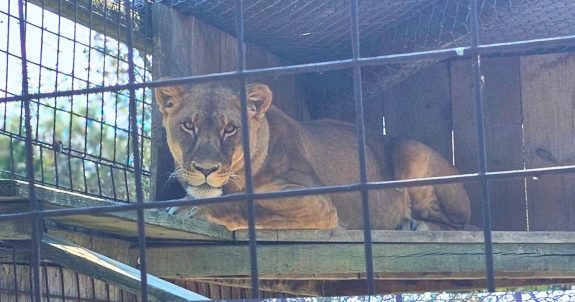
At Bervie Zoo, two pairs of lions—one white and one African—are stuck in barren, cramped cages that offer very little enrichment. They have few opportunities to roam, climb, or hide.
The tigers paced repeatedly along the edges of their cages, a well-documented sign of stress and frustration in captive big cats.
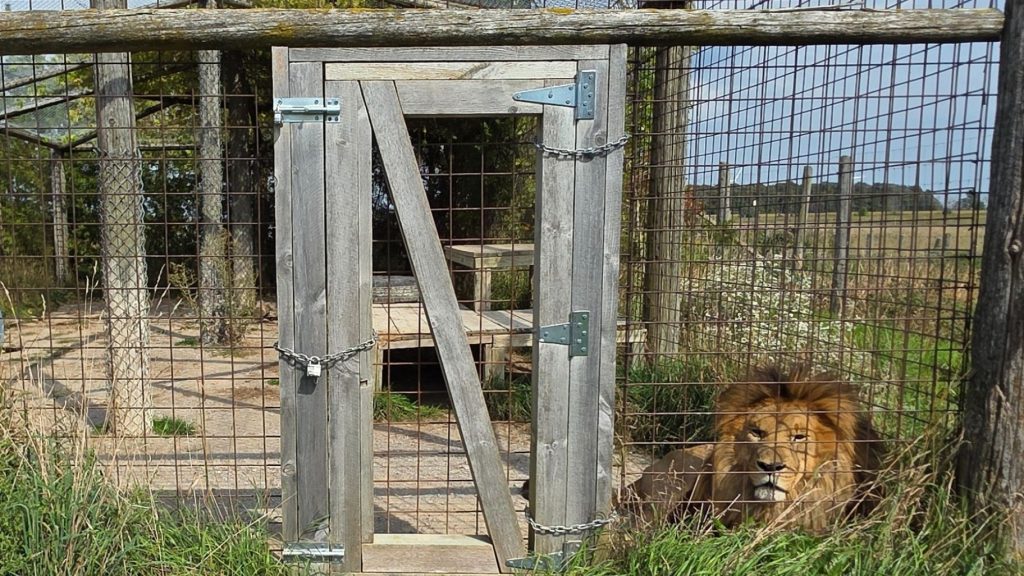
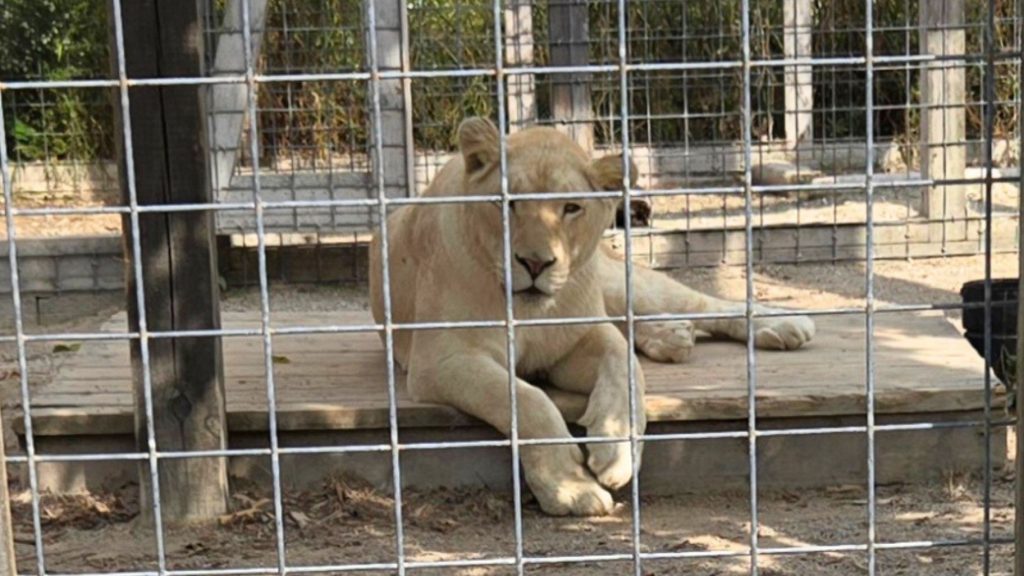
An African lion and white lioness lay in their separate enclosures. Both cages appear very small with limited enrichment.
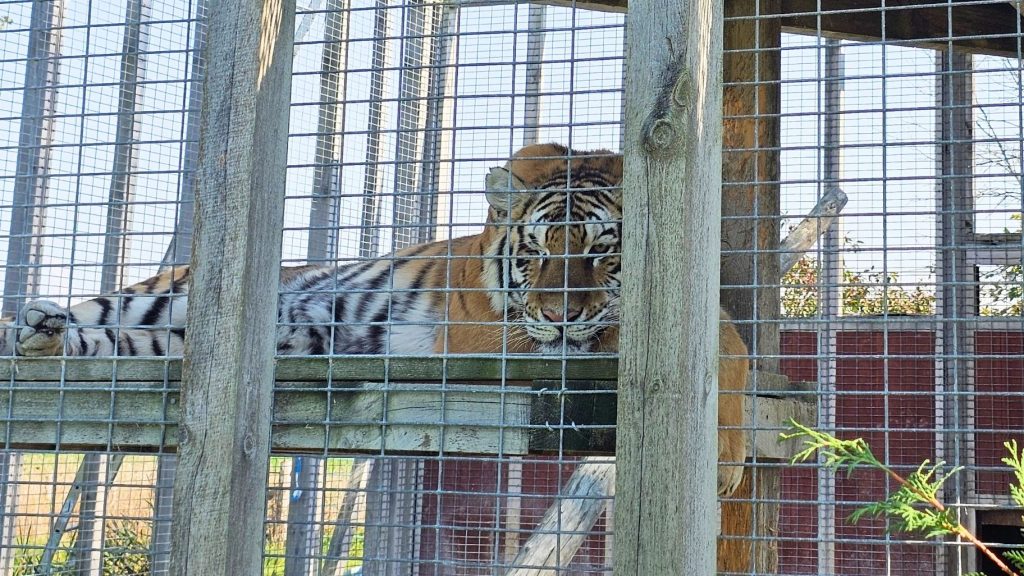
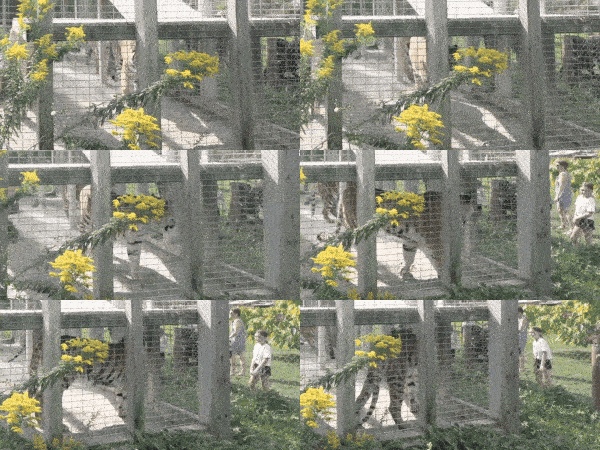
Two tigers are kept in what appears to be an extremely small, empty pen with no meaningful enrichment, repetitively pacing.
Lions and tigers are powerful predators. In the wild, they roam vast territories, hunt, and engage in complex social behaviours. Lions live in close-knit prides that cooperate to raise young and defend their range, while tigers patrol territories spanning hundreds of kilometres. Captivity can never replicate the complex environments and autonomy required for these cats to live full, healthy lives.
Inadequate Conditions for Black Bears
Two black bears are in a small, dirty cage with minimal enrichment or climbing structures beyond a few platforms. In some footage, the bears can be seen pacing back and forth.
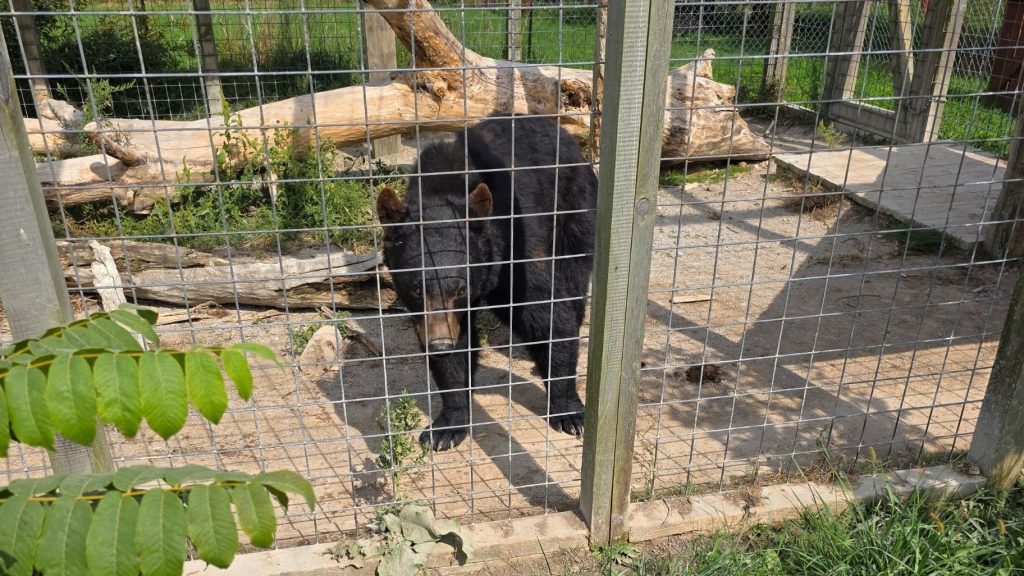
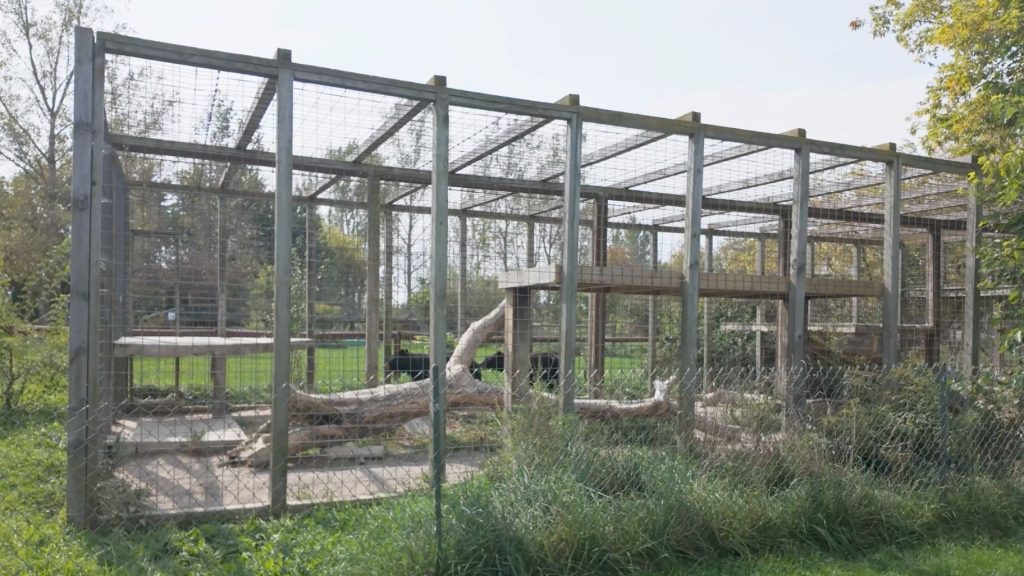
The barren black bear enclosure is visibly dirty and small, with little enrichment or climbing space.
Black bears are intelligent, curious, and highly active animals. They thrive in dense forest habitats and spend their days exploring vast territories, climbing trees, digging, swimming, and foraging for food. Known for their exceptional long-term memories, bears will return year after year, sometimes travelling over 100 kilometres, to revisit reliable food sources like berry patches. Captivity robs bears of nearly all opportunities to express these natural instincts.
Monkeys in Distress
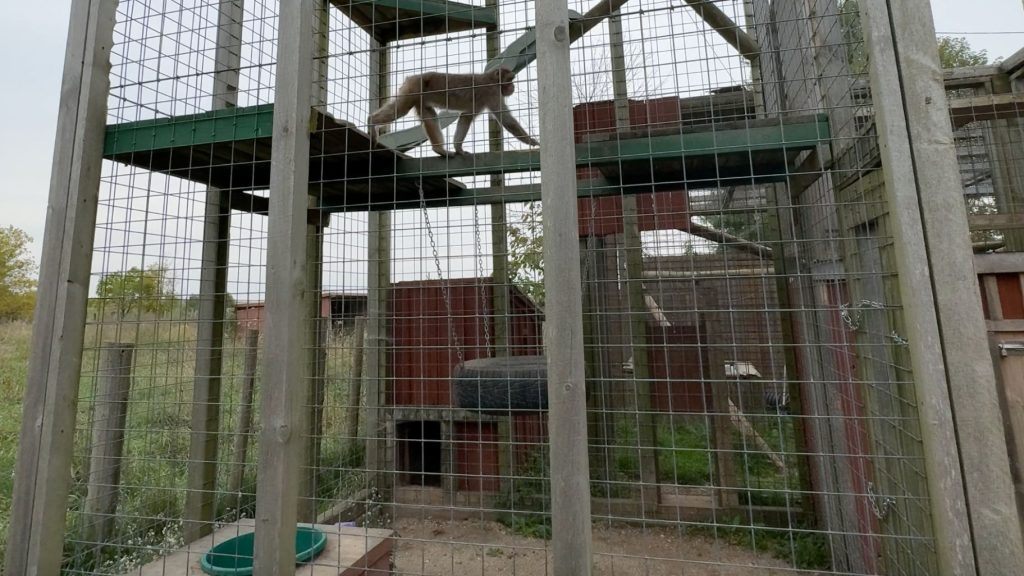
In late September, two macaque monkeys were observed confined to adjacent small, barren cages connected by an open gate. Witnesses reported that the larger macaque appeared aggressive toward the smaller one, who is believed to be a young female monkey named Boogie.
Animal Justice first encountered Boogie when we visited the zoo in 2022, when we saw her alone and showing troubling repetitive behaviours like biting herself and spinning around in circles.
During this year’s visit, the smaller macaque was observed pacing and circling—classic signs of psychological distress, just like we previously saw in Boogie. The larger macaque repeatedly scratched his paw in a similarly abnormal, repetitive motion. Two weeks later, another visitor saw a third macaque. This raises concerns that Bervie Zoo may be acquiring new animals—despite appalling conditions for the monkeys already there.
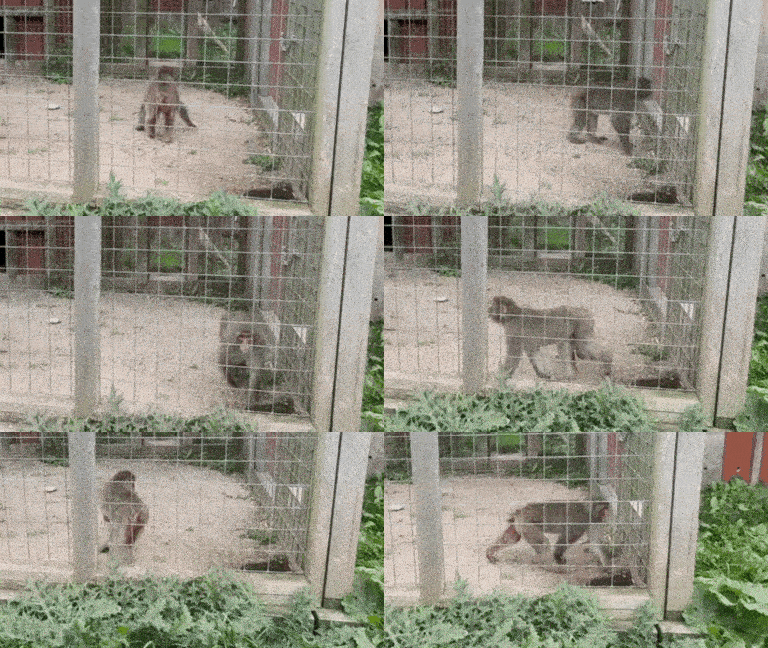
The smaller macaque monkey paces in circles.
Half of the conjoined enclosure: barren and small.
Macaques are highly intelligent, social, and emotionally complex beings. In the wild, they live in large, multi-generational groups of up to 50 monkeys, spending their days playing, grooming, and foraging for food across diverse landscapes. These activities are essential to their mental stimulation and social well-being—needs that zoos are incapable of meeting.
Other Animals at Risk
- A lone caracal is confined in a small cage with no visible enrichment where she paces—an unmistakable sign of distress. The only shelter is a small indoor space that offers little privacy from public view.
- Two coatimundis, members of the raccoon family, share a cramped cage where one was pacing repeatedly. When asked about one individual’s short tail, a tour guide reportedly claimed he had chewed it off, but was doing better since a female was added to his enclosure. This self-harming behaviour suggests extreme stress.
- Water buffaloes confined to a small, muddy enclosure with only a makeshift wooden shelter for cover. There is no visible clean water for wallowing or drinking, and little vegetation for grazing or foraging. For a semi-aquatic species, these conditions are unacceptable.
- A single alligator is confined to a small enclosure with a small, apparently dirty body of water. It’s not clear where this alligator is kept during colder months, when others seem to be kept in a barn.
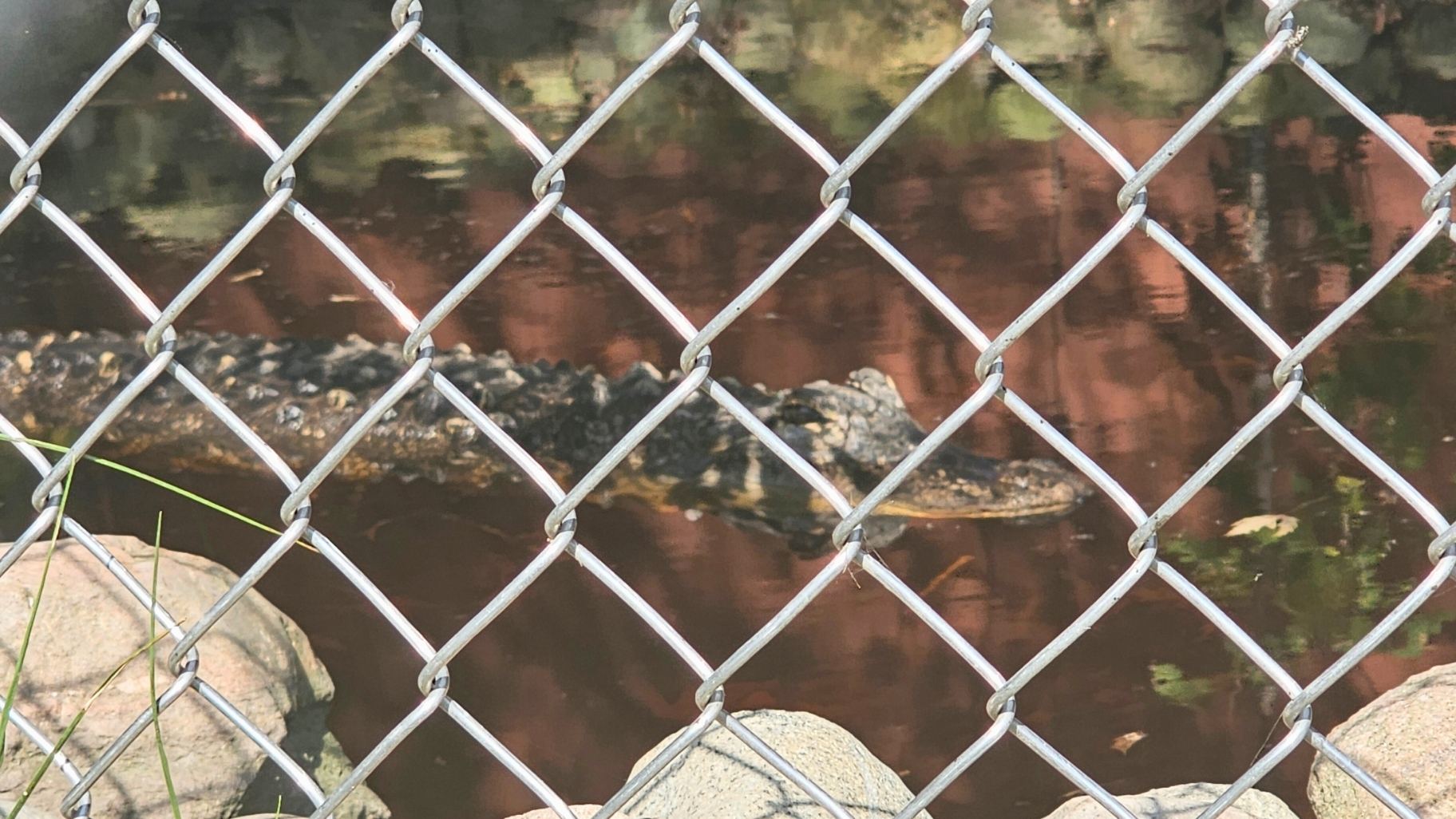
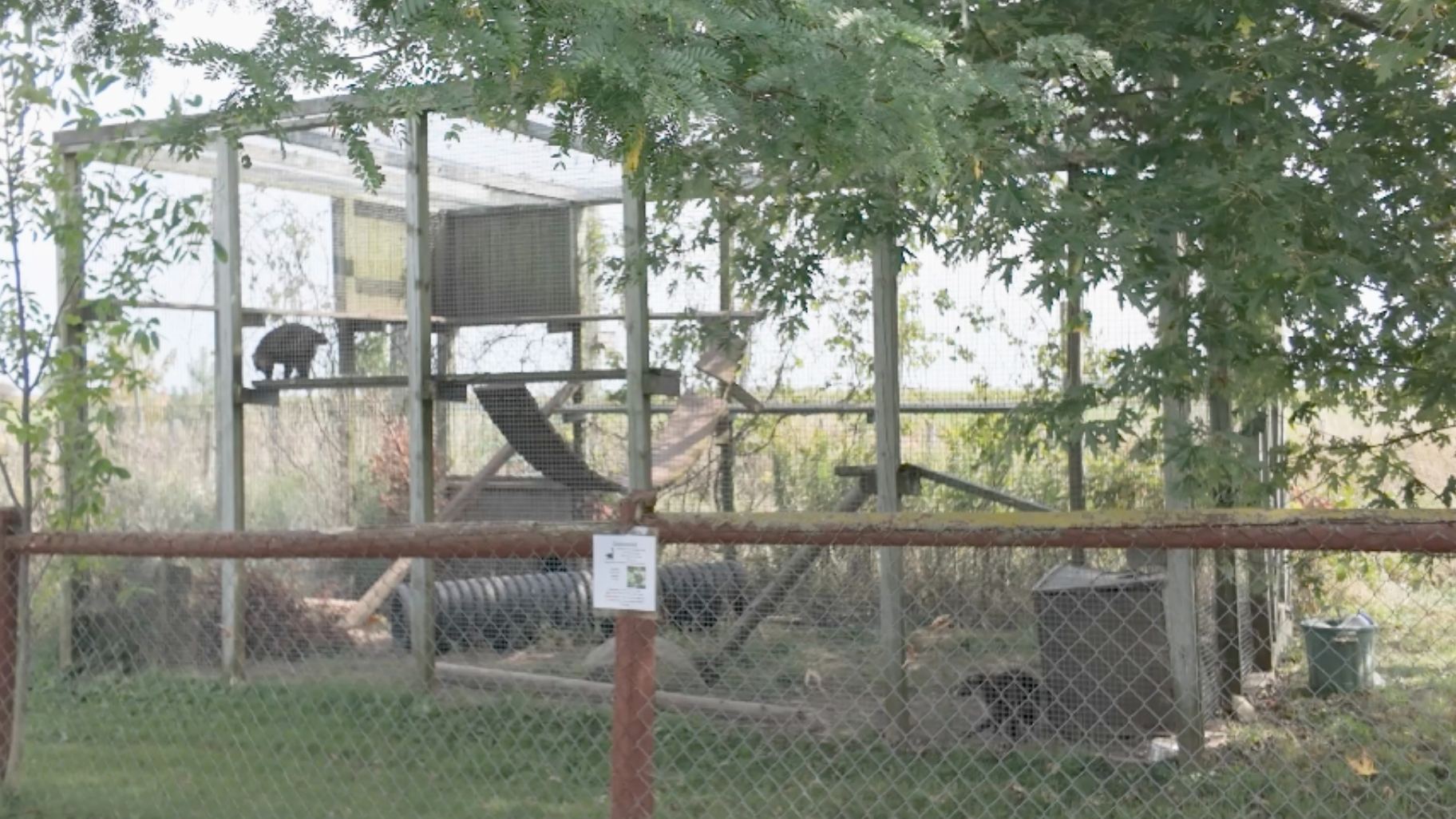
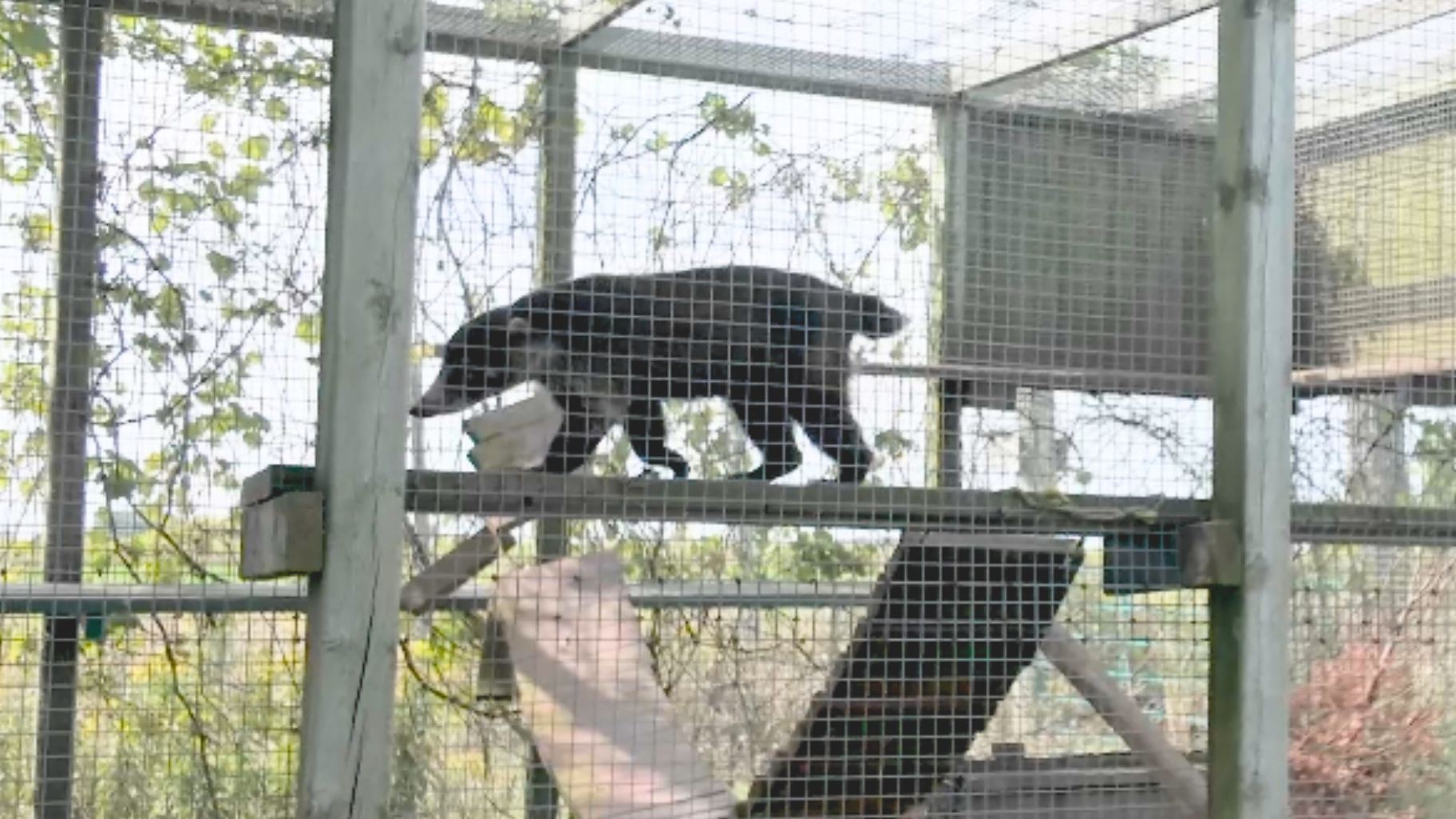
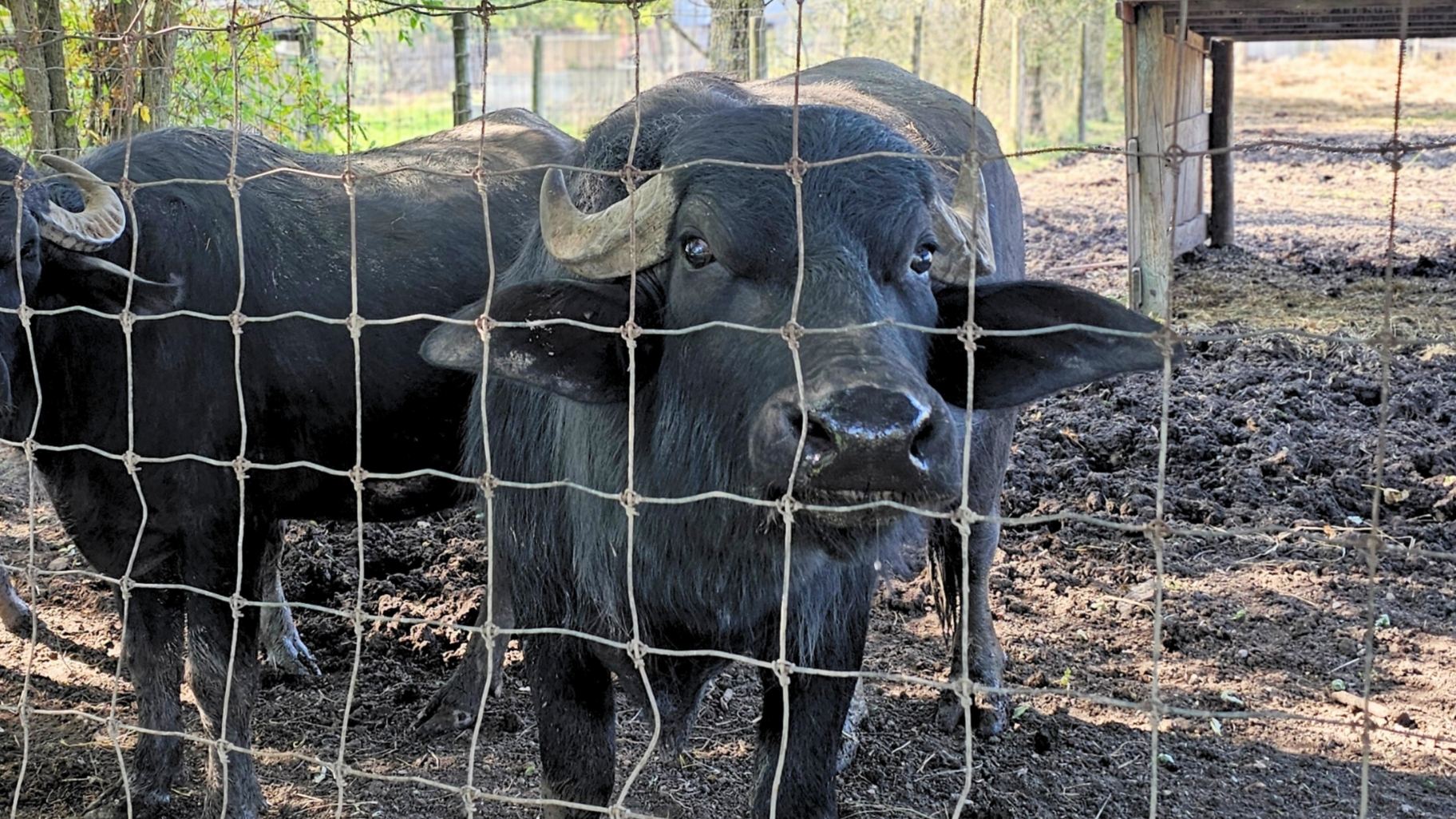
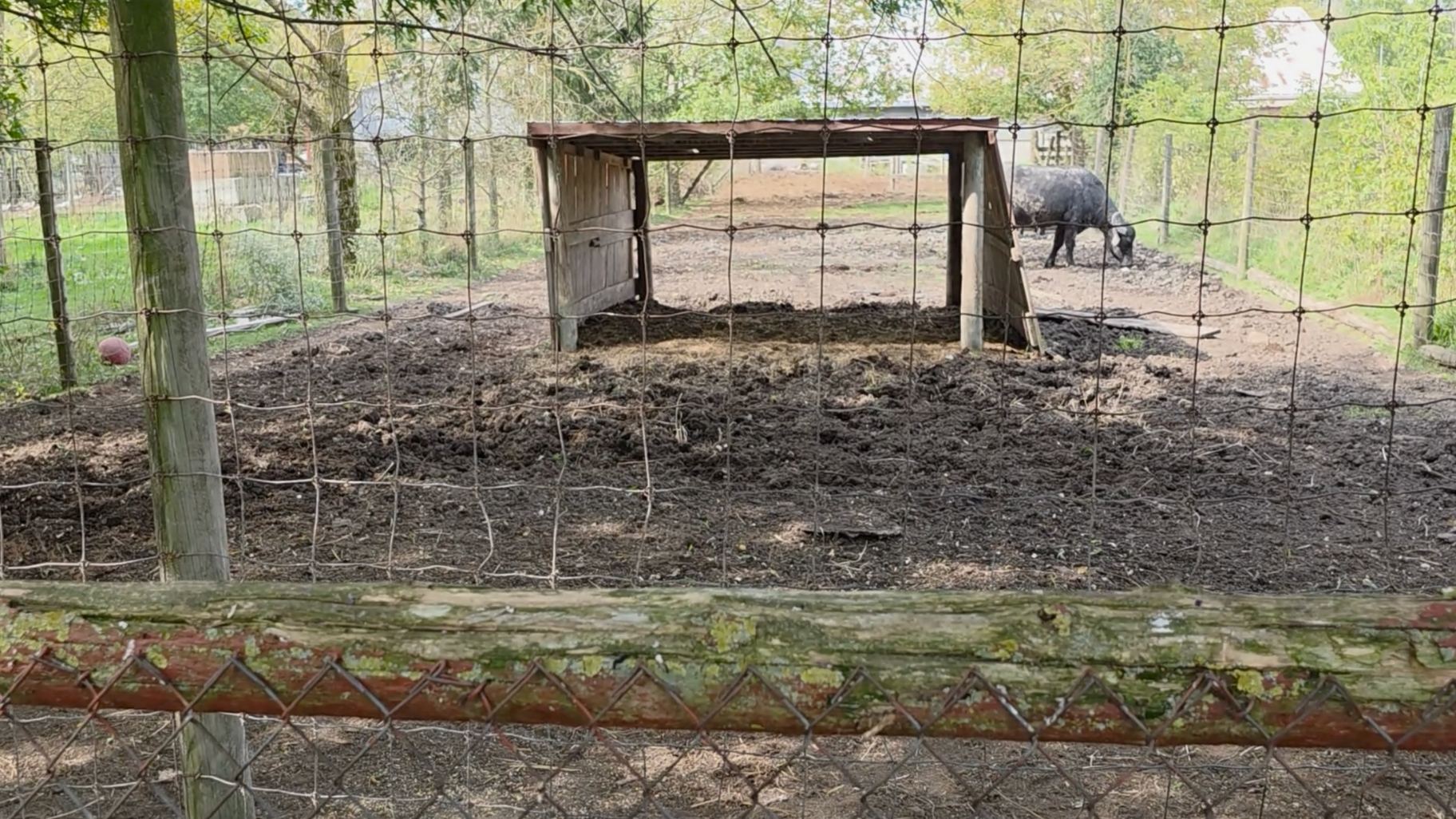
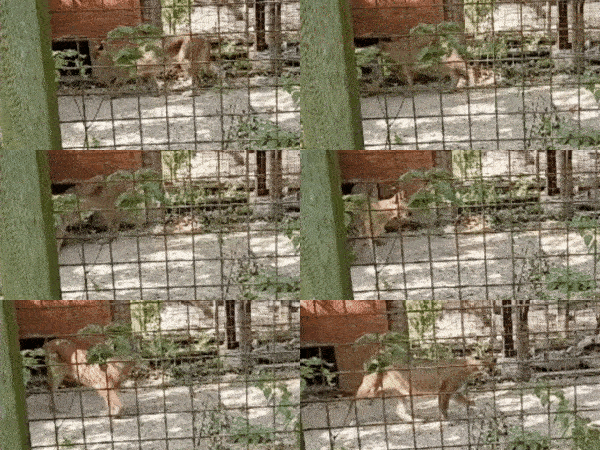
These conditions reflect a years-long pattern of neglect at Bervie Zoo.
Bervie Zoo’s History of Animal Neglect
Animal Justice has filed numerous complaints about Boogie to AWS. We first documented her suffering in 2022 as part of Canada’s largest-ever zoo exposé, which uncovered widespread neglect across Ontario’s roadside zoos. Disturbing footage of Boogie pacing and biting herself, living all alone inside a barren cage was featured on CTV investigative affairs program W5, sparking outrage and exposing the consequences of Ontario’s lack of zoo regulation and enforcement.
Bervie Zoo is well-known to authorities. In 2022, AWS seized dozens of animals from the facility and later laid 21 charges over the poor conditions that led to their removal. Inspectors discovered them caged in filthy, poorly ventilated barns, reporting appalling conditions:
- Air thick with ammonia and feces, burning eyes and making it difficult to breathe even with masks.
- No ventilation or clean drinking water for many animals.
- Minimal natural light and only three dim bulbs provided artificial light.
- Thick white mold covering the ceiling near the porcupine enclosure.
- A macaw forced to use a metal bowl as a perch because there were no perches in their cage.
- Dogs found filthy, with matted fur and feces caked to their hindquarters.
Zebras, lemurs, pigs, porcupines, and a baboon named Bruno were among those rescued. Bruno now lives safely at Story Book Farm Primate Sanctuary in Sunderland, Ontario.
Despite this, Bervie Zoo continues to operate. Year after year, new evidence shows animals in distress, and authorities fail to meaningfully intervene to end their suffering.
Law Enforcement Fails Captive Animals
Ontario has the weakest zoo laws in Canada—zoos aren’t even required to have a licence to operate. This regulatory gap has allowed roadside zoos like Bervie Zoo to proliferate in the province, where animals routinely endure barren, inadequate conditions hidden from meaningful oversight.
AWS has a significantly larger budget than its predecessor. Despite this, the agency has repeatedly failed to enforce animal protection laws since taking over investigations from the Ontario Society for the Prevention of Cruelty to Animals in 2019. The agency rarely discloses information about inspections or outcomes, leaving the public in the dark and animals in prolonged distress.
Take Action
The ongoing suffering of Boogie and other animals at Bervie Zoo is a direct result of systemic failures. Ontario urgently needs to crack down on zoos, bringing greater transparency and consistent enforcement to prevent neglect and suffering.
Join us in calling on authorities to immediately investigate the dire conditions at Bervie Zoo and take all necessary steps to protect the animals trapped there!