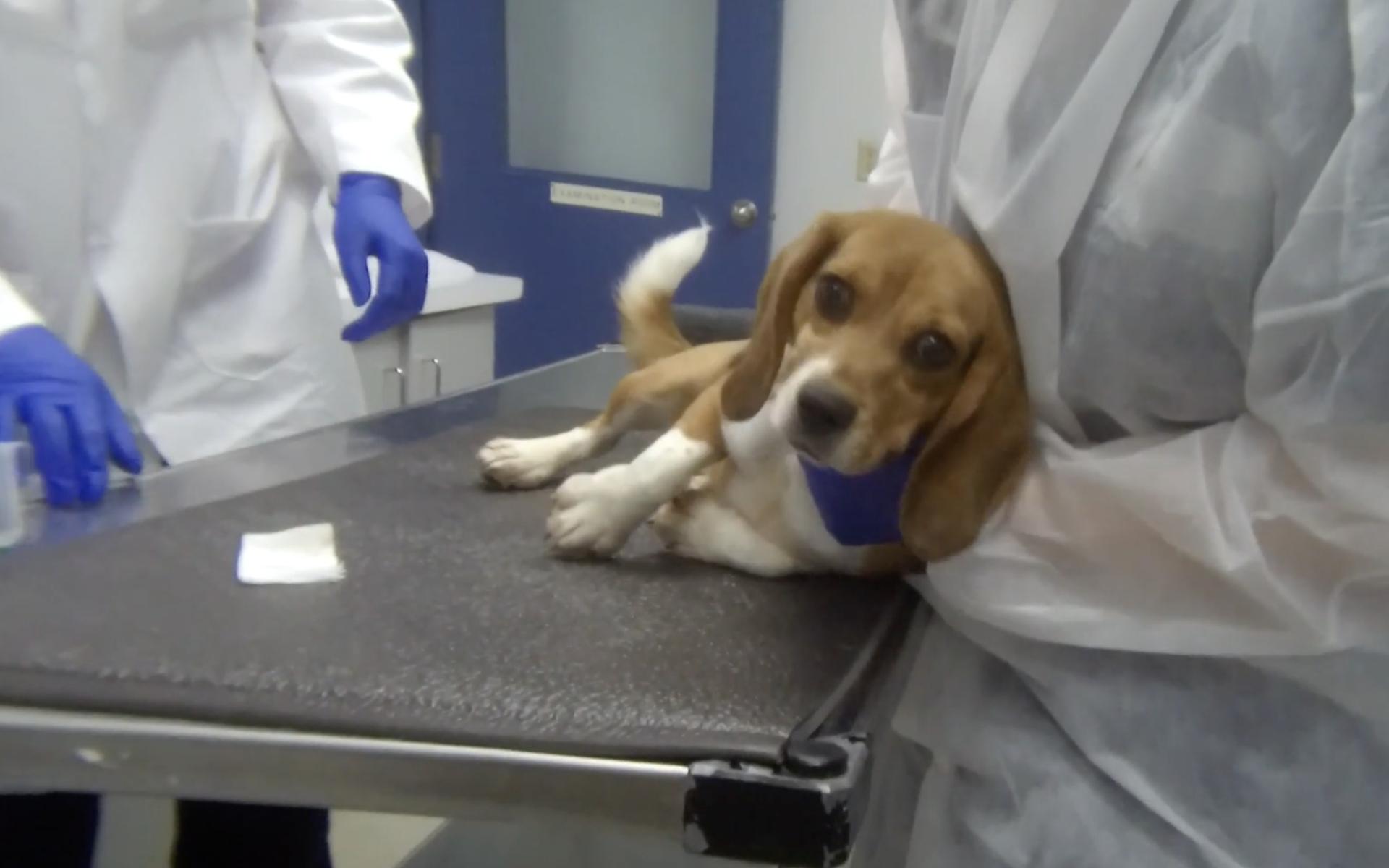


Animal Justice has submitted a complaint to the Alberta SPCA over shocking footage of wild animals being displayed in poor conditions at a travelling wildlife exhibit in Red Deer, Alberta. The “Wildlife Festival”, is promoted as a family-friendly, educational showcase of exotic animals. While it claims to prioritize education and rescue, the reality is far more troubling: animals subjected to stressful conditions and constant handling that raise serious concerns about their wellbeing.
Exotic Animals in High-Stress Environments
The Wildlife Festival takes place in convention centres across Western Canada, like the Westerner Park Pavilion in Red Deer, Alberta. The Festival is operated by Cobb’s Exotic “Animal Rescue & Education Foundation”, which also operates Cobb’s Adventure Park, a commercial attraction in Calgary, where the animals are kept and many are displayed when not travelling.
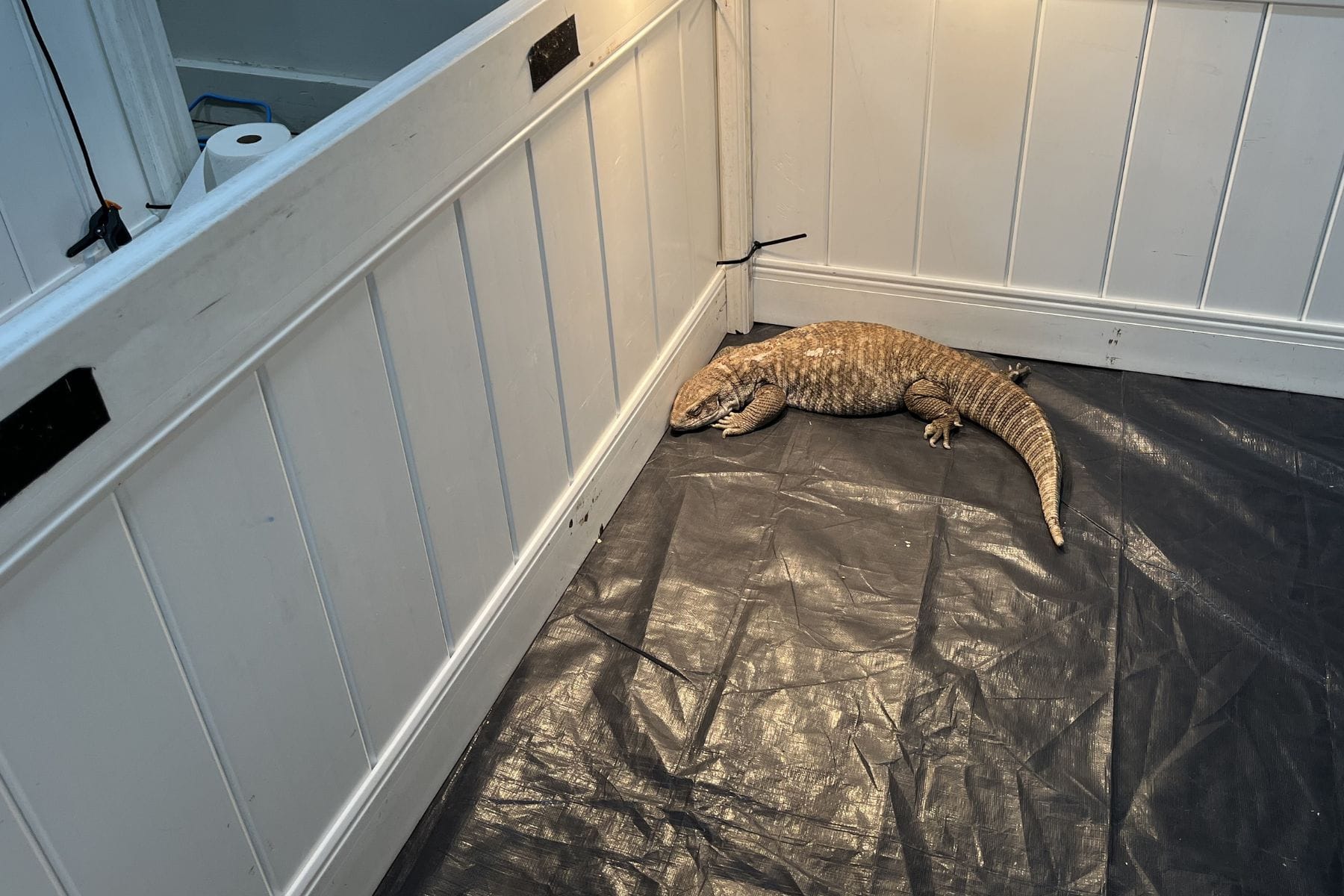
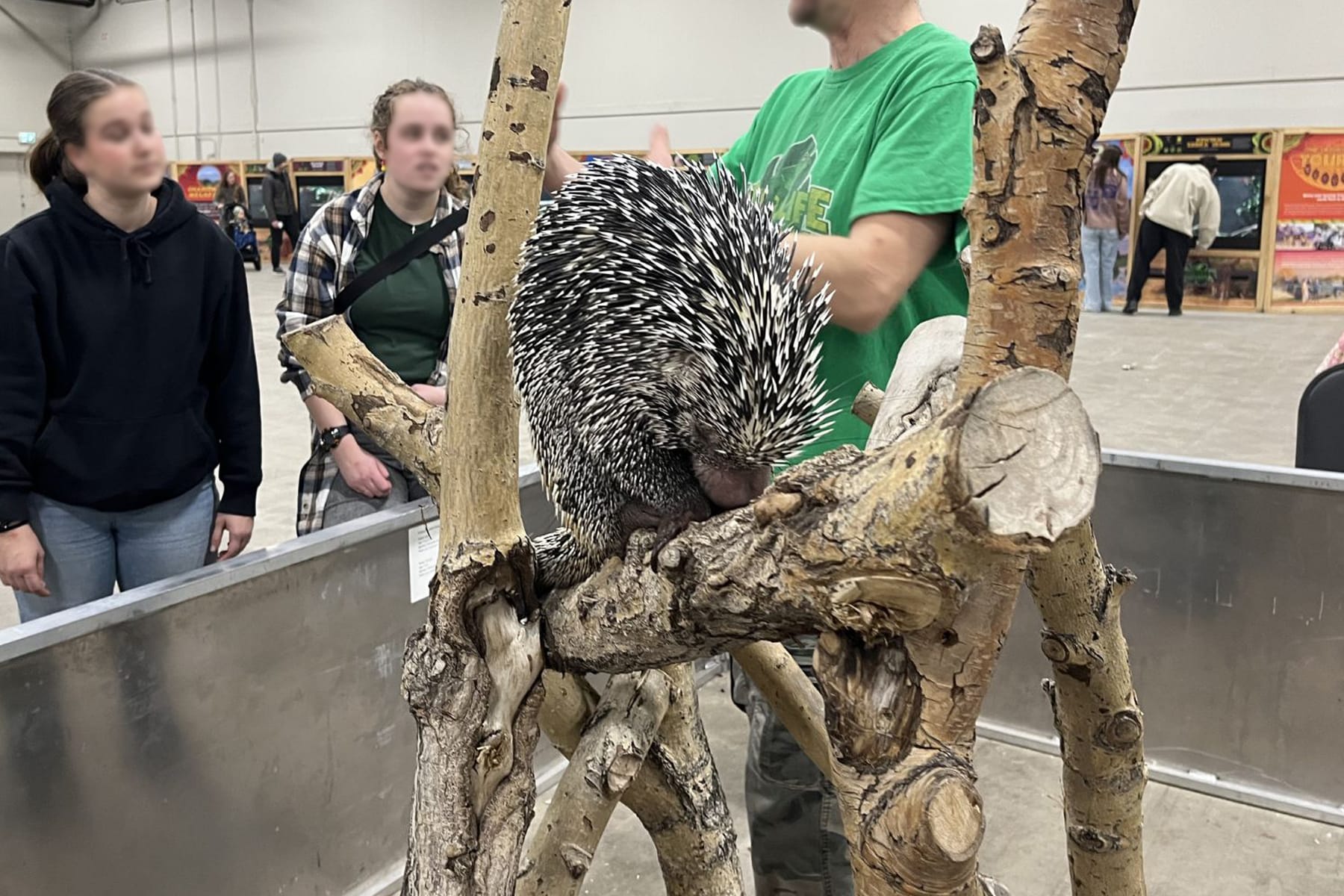
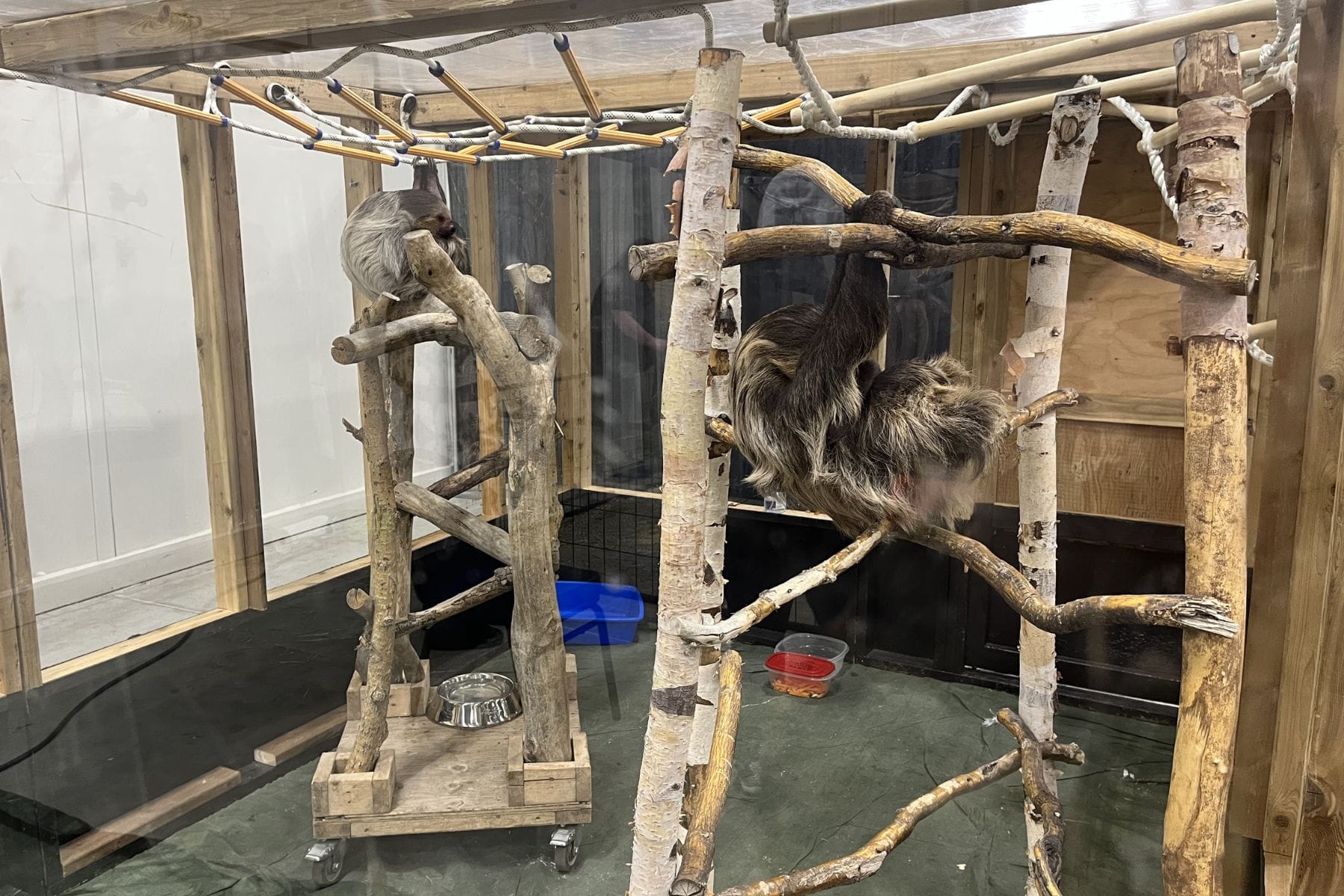
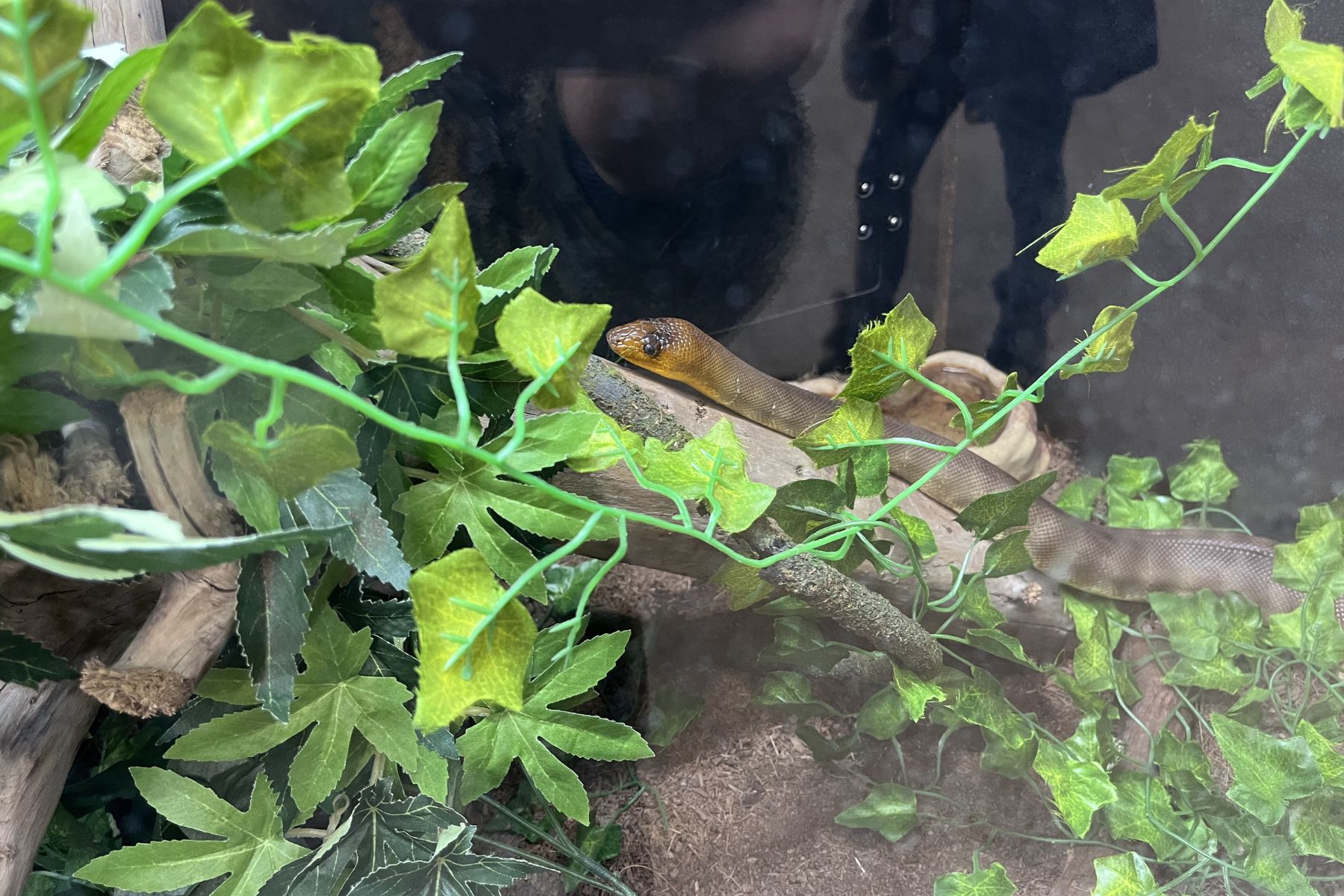
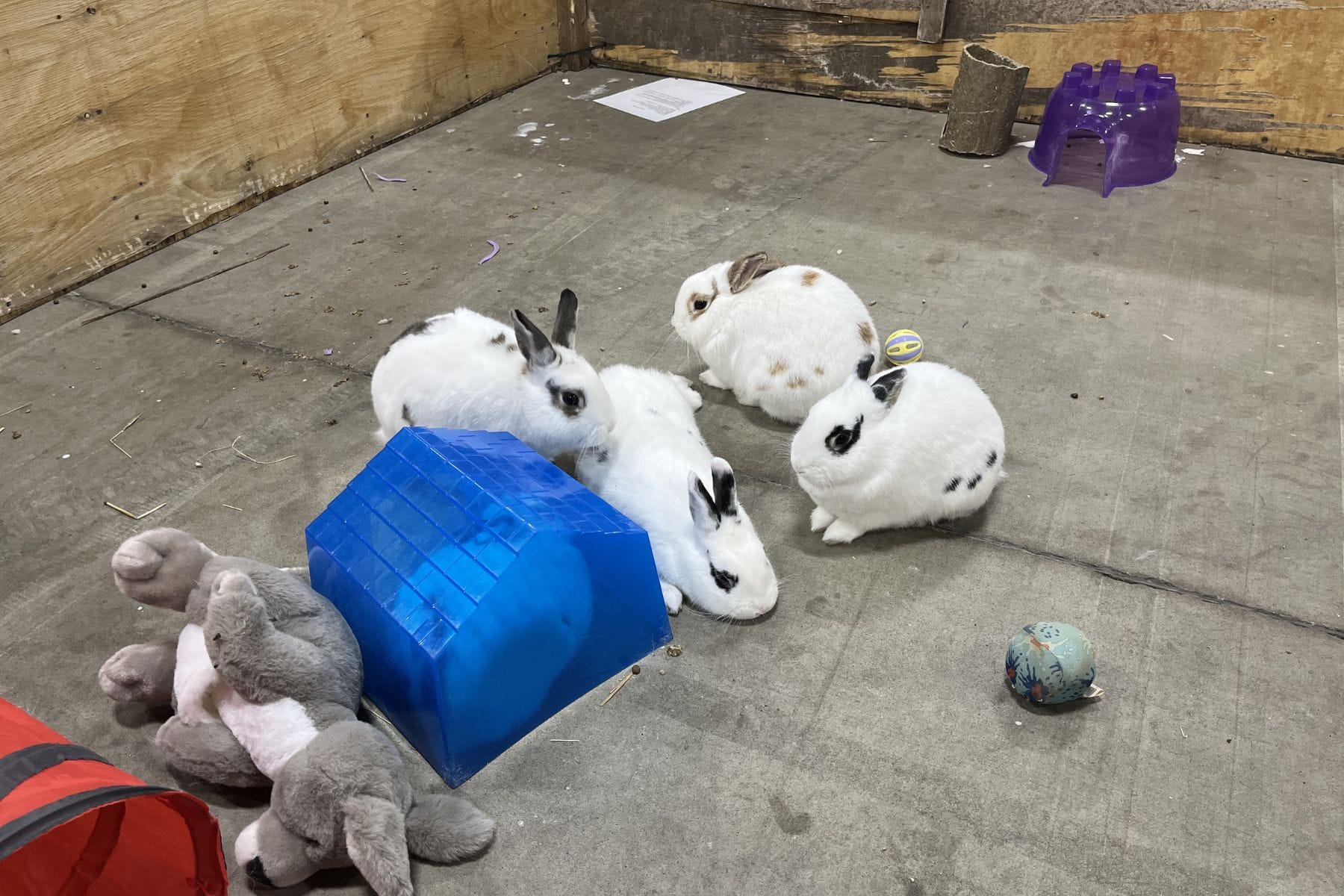
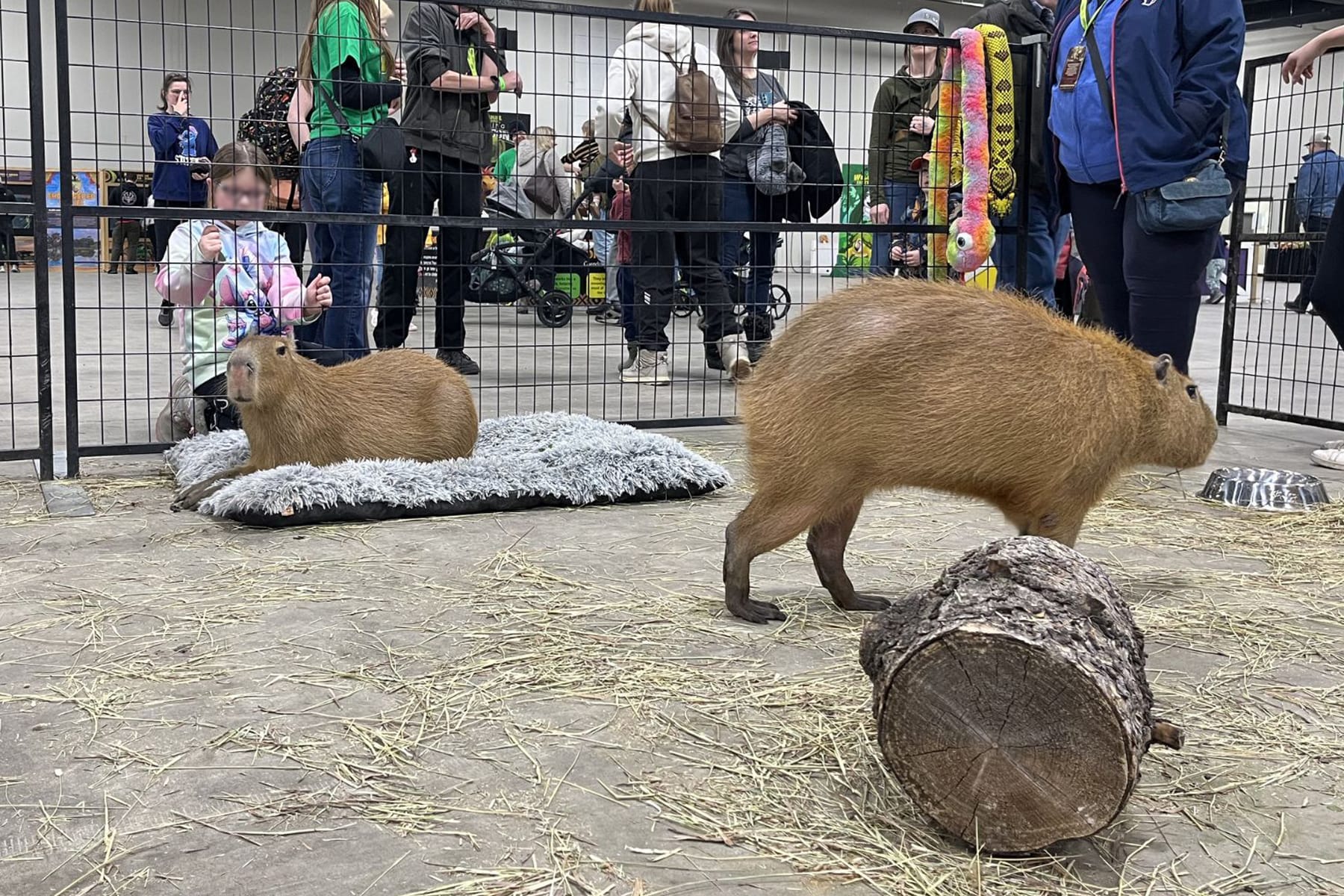
At the Red Deer event, animals are seen displayed in often small, barren enclosures subject to high noise levels, bright lighting and large crowds for hours at a time. Many enclosures are directly on concrete floors and do not contain materials that give animals the ability to retreat from stressors including human contact. These environments prevent animals from exhibiting their natural behaviours and cause suffering.
Interactive Experiences Harm Animals
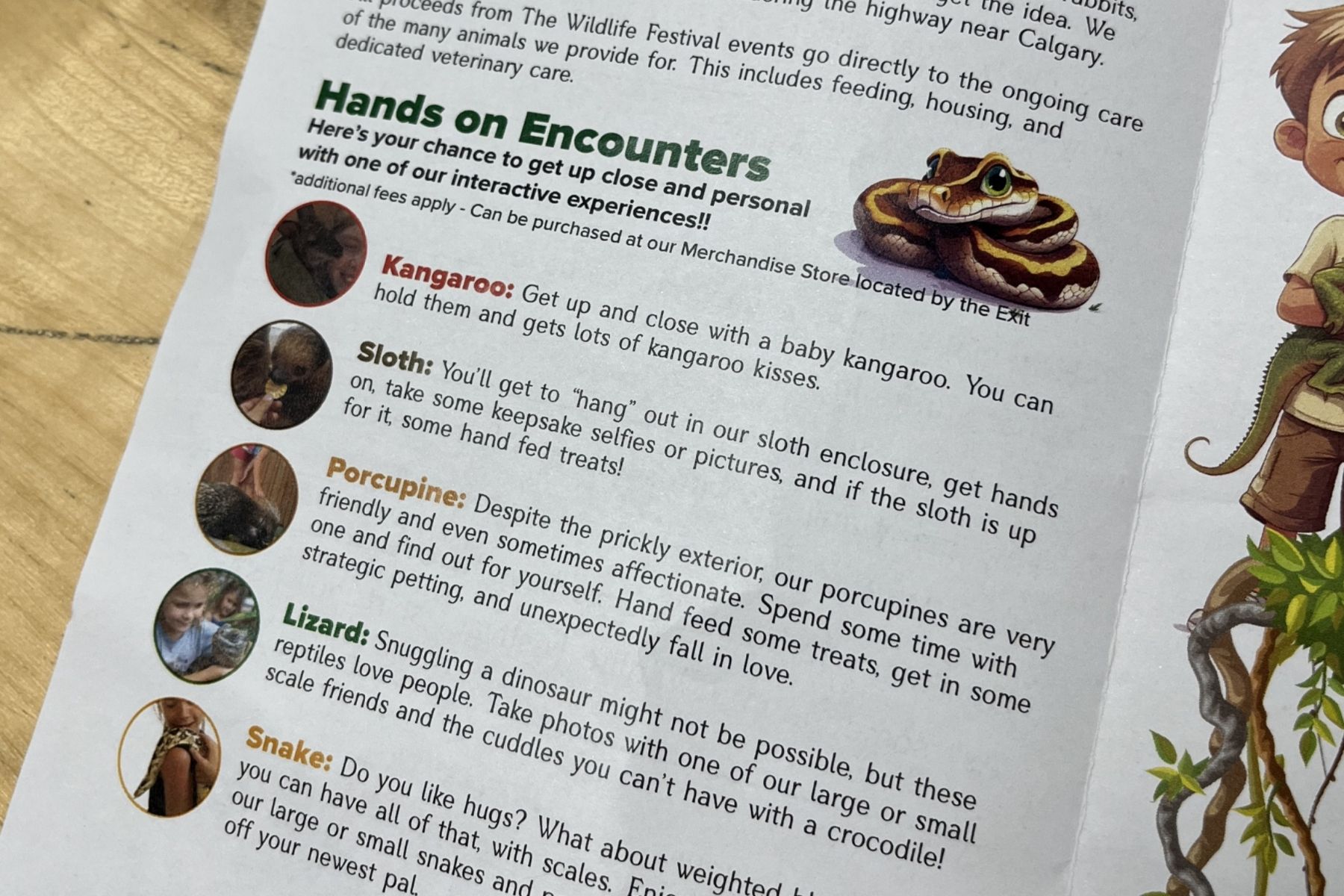
Contrary to Festival organizers’ claim that it is a wildlife rescue and rehabilitation organization, the Festival is an exotic animal petting zoo, providing the public of all ages, including young children, with the opportunity to pay to touch, pet, feed, hold or otherwise interact with animals who may not be comfortable with human contact, including snakes and other reptiles, sloths, wallabies, kangaroos, and capybaras.
Unwanted human contact can cause animals psychological distress and put animals at risk of physical harm.
Travelling Wildlife Festivals Pose Risk
In addition to the harm these festivals can cause to animals, festivals and facilities that permit the public to interact with exotic animals puts the public at serious risk. Wildlife festivals where humans interact with wild animals raise the risk of zoonotic disease transmission from animals to humans.
Further, wild animals can behave unpredictably and cause bites, scratches or other injuries. Indeed, wild animal ownership has led to several fatal incidents in Canada. As the organizers themselves stated in an informational banner at the festival, the sloths kept in an enclosure who attendees can pay to get into an enclosure with and handle “can inflict a painful bite”.

Alberta Laws Fail to Protect Wild Animals
As a result of the troubling footage from this Wildlife Festival, Animal Justice has submitted a formal legal complaint to the Alberta SPCA, urging them to investigate and protect these animals.
While it is illegal to cause distress to animals in Alberta, there are no other meaningful protections for the vulnerable animals displayed at this festival. This is because only species listed in Alberta’s Wildlife Act and Regulations are prohibited from being kept or owned without a permit which requires compliance with certain minimum standards of care. Animals not listed, including species of sloths, kangaroos, capybaras, and snakes and other reptiles can be kept or owned without a permit and there are no legally binding standards of care to ensure for their wellbeing.
This loophole allows travelling petting zoos like this wildlife festival to operate, subjecting animals left out of the law to poor conditions and risk of distress. These animals often live terrible lives from start to finish.
By listing what animals cannot be kept, Alberta has a “negative list” system, which is the basis for this troubling loophole: if a species isn’t prohibited, they can be purchased, collected, and used in animal shows like this one. With the sheer amount of wild species that exist, governments simply cannot account for all species of animals who should not be owned as a result of animal welfare, public safety, and environmental risks. As such, Alberta should immediately adopt a “positive list” approach, where ownership of all animals is prohibited unless they are exempted by law.