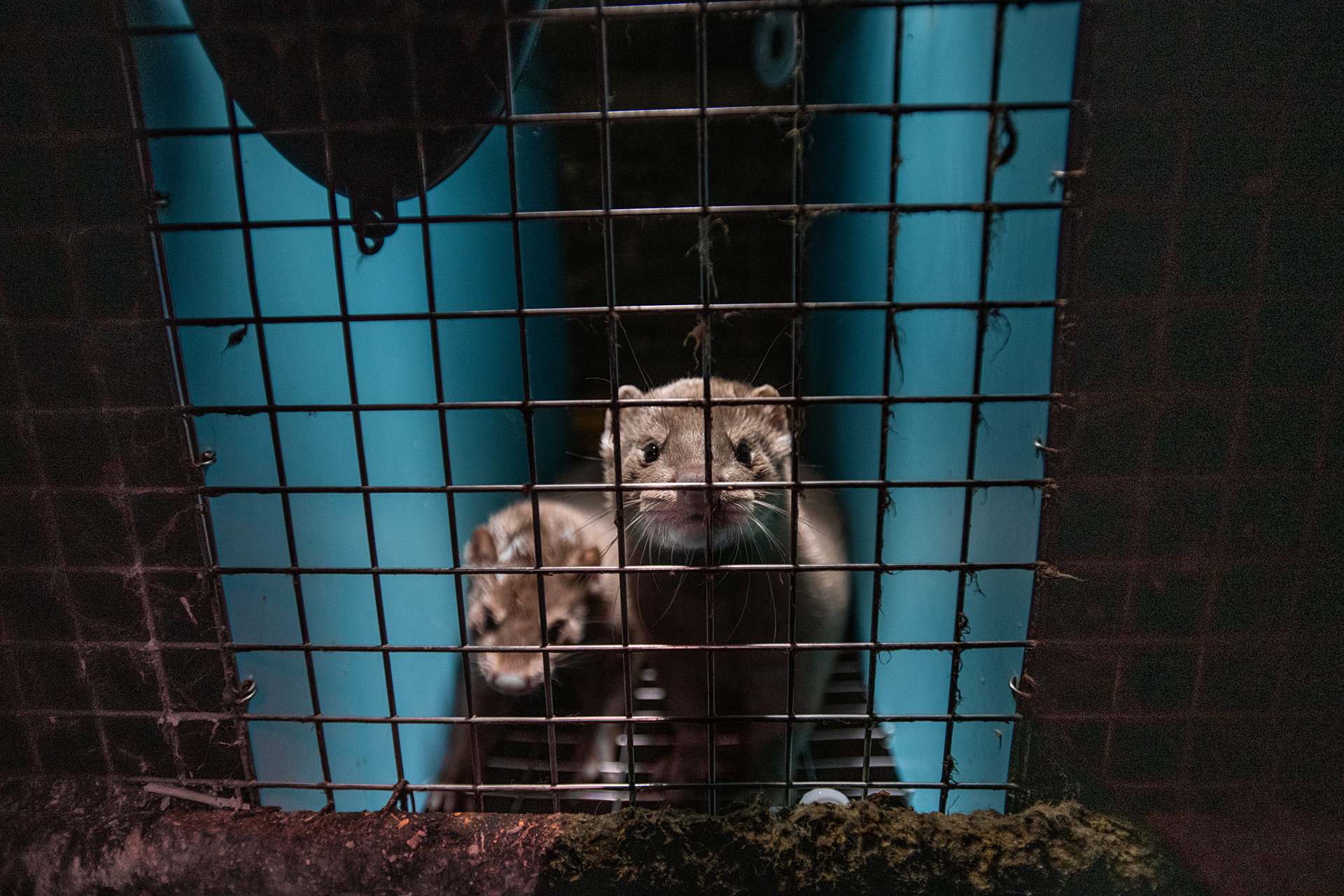


Parliament recently passed Bill C-16—a wide-ranging bill that amends Criminal Code offences involving intimate partner violence. While the Bill, also known as the Protecting Victims Act, makes it illegal to create and disseminate bestiality videos, Parliament failed to strengthen the bill to prohibit all so-called “crush” or torture videos. This was a missed opportunity to align the Criminal Code with the values of Canadians and protect vulnerable animals, including kittens, puppies, and rabbits, from some of the worst forms of torture imaginable.
Why Bill C-16 Fails to Stop Animal Torture Videos
Bill C-16 amended the Criminal Code to outlaw the sharing of bestiality videos—a welcome and important move. However, the legal definition of bestiality requires a sexual component. Many animal crush videos have nothing to do with sex. Instead, they depict the deliberate crushing, burning, torture, and killing of animals for profit. Networks of online predators targeting vulnerable children and youth even use animal torture videos as a tool to groom and extort young victims.
Animal Justice urged lawmakers to strengthen the bill and close this dangerous loophole, and submitted a formal brief to both the House of Commons Standing Committee and the Senate Standing Committee that studied the Bill. Unfortunately, Parliament rejected this vital update to prohibit all animal torture videos, including those that are not sexual in nature.
The Reality of Animal Crush Videos in Canada
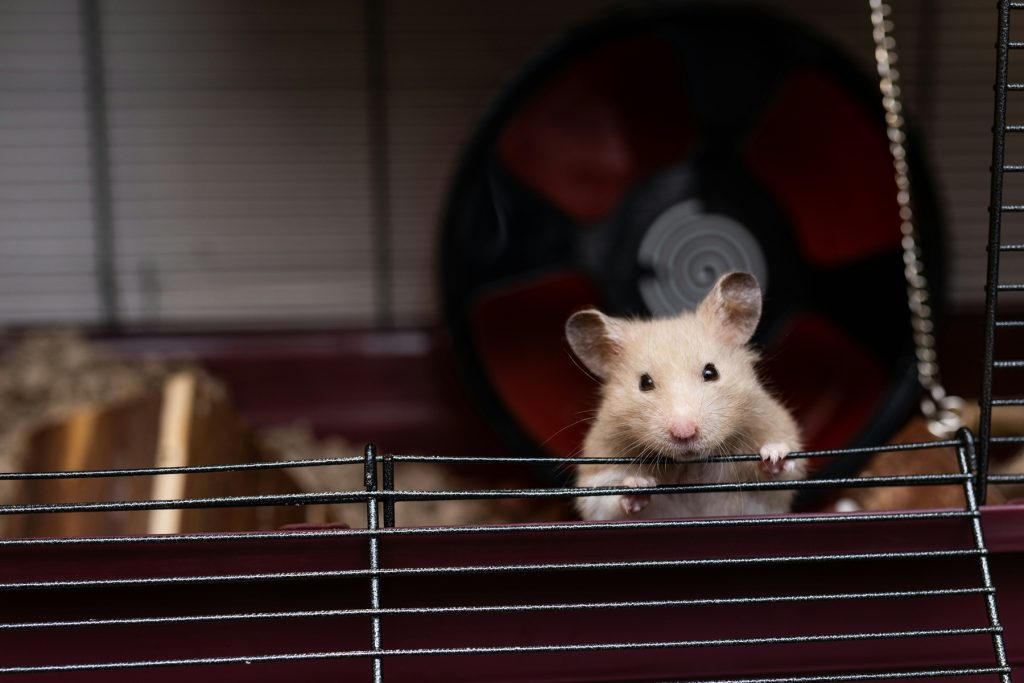
The need for legal reform is urgent. Canadians were shocked and appalled when police arrested a Winnipeg couple in October 2024 for creating and selling horrific animal torture videos. The graphic evidence involved more than 97 innocent animals, including cats, kittens, birds, rabbits, hamsters, a frog, and an axolotl.
Although animal cruelty is a criminal offence in Canada, many perpetrators in crush videos intentionally hide their faces and obscure their locations. Consequently, police struggle to identify who actually committed the physical abuse. That’s why it’s important to amend the Criminal Code to also target the creation, distribution, and sale of the videos themselves.
Similarly, when online predators coerce vulnerable youth to harm animals on video, those responsible for grooming children to create the videos and for distributing and sharing the videos online should be held to account.
Global Precedents: Bans That Work
Other countries have already proven that banning the content itself can help to stop the cruelty. For instance, the United States passed federal legislation against crush videos in 1999. As a result, the underground market quickly collapsed. When a court struck down the law in 2010, the market returned, prompting Congress to pass a revised ban in 2019. Similarly, New South Wales, Australia, criminalized the possession and distribution of animal crush materials in 2021.
Right now, a person in Canada can film themselves torturing an animal and sell that footage online without facing charges for the recording itself. Because Parliament left this loophole open, Canadian law gives police no independent basis to act when a perpetrator of the underlying abuse conceals their identity.
Animal Justice is deeply disappointed by this missed opportunity. Nevertheless, we will never stop fighting to protect animals from extreme cruelty.