

In 2022, the Canadian Food Inspection Agency (CFIA) introduced a “temporary” dog import ban, leaving animal rescues blindsided. The agency promised the measure was a short-term solution to prevent rabies cases until a more balanced policy could be developed. But more than three years later, there is no end in sight.
Animal Justice and Soi Dog Canada, along with over 50 dog rescue organizations across Canada and around the world, have signed a letter urging the federal government to finally lift the ban and replace it with a science-based policy that protects public health without closing Canada’s doors to vulnerable animals.
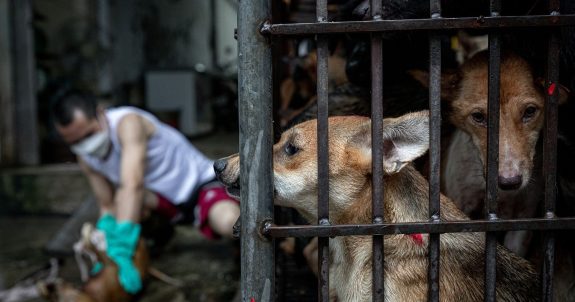
Without reform, countless dogs from war-torn countries, sites of natural disasters, and the cruel dog meat trade are condemned to face death and suffering instead of finding safety in Canadian homes.
A Sweeping Ban With Devastating Consequences
The CFIA’s policy bans importing “commercial” dogs, including rescued dogs bound for adoption, from more than 100 countries deemed high risk for rabies. This list includes regions experiencing conflict like Ukraine, Gaza, Afghanistan, and Haiti, as well as countries like China and the Philippines where there is a dog meat trade. Because no exemptions exist for responsible rescue organizations, the ban has severed lifelines for countless dogs who would otherwise be saved, and countless dog rescue groups have been forced to shut down their operations.
The ban has also likely worsened Canada’s puppy mill crisis. With fewer rescue dogs available for adoption—many of whom tend to be smaller breed dogs—Canadians may turn towards breeders who put profit ahead of animal welfare. Canada has repeatedly failed to take any real legal steps to stop puppy mills from proliferating, leaving dogs especially vulnerable to this abuse.
Rabies is Preventable
Rabies is a fatal but fully preventable disease. Canada has been free of canine rabies for years, and that status can be maintained without resorting to an all-out ban. The World Organization for Animal Health (WOAH) has a clear policy set out in the Terrestrial Animal Health Code, fully supported by the World Health Organization and the Food and Agriculture Organization of the United Nations, recommending a combination of vaccination certificates, antibody testing, and quarantine measures for safe dog imports.
The United States, every EU nation, and other countries allow dog imports from higher-risk regions under strict vaccination and testing protocols consistent with WOAH guidelines—proving that these science-based safeguards work. Notably, the US initially imposed a temporary ban similar to Canada’s, but quickly replaced it with a permanent, evidence-based framework. Canada—the only Western country that has failed to adopt WOAH standards—now stands as a global outlier, clinging to an outdated policy that has cost countless dogs their lives.
Court Ruling Underscores the CFIA’s Responsibility to Act
Earlier this month, the Federal Court upheld the CFIA’s dog import ban after Animal Justice and Soi Dog Canada challenged it as unreasonable and unfair. Unfortunately, the court found that the CFIA had the legal authority to impose the ban, and that it did not have a legal duty to consult impacted rescue groups before it was introduced. However, the decision is not an indication that the sweeping ban was necessary or humane in light of other science-based alternatives.
This loss in court does not end the fight, and the animal advocacy and rescue community will continue to demand accountability from the CFIA.
Continuing the Fight Against Canada’s Dog Import Ban
Animal Justice, Soi Dog Canada, and partner rescue groups are calling on the CFIA to immediately replace the three-year-long “temporary” ban with permanent, science-based rules aligned with international standards. These rules must protect public health, while allowing responsible rescues to resume.
Banner image: Aaron Gekoski | Asia for Animals Coalition | We Animals