

Note: The public comment period closed on July 29, 2025.
Every five years, the Canadian Organic Standards are reviewed—and right now, Canadians have a chance to speak up for animal welfare on organic farms. These legally-enforceable standards outline how animals must be treated on certified organic farms, and this update is a rare opportunity to push for stronger protections.
The public comment period is open until July 29, 2025.
Why This Matters for Farmed Animals
Most farmed animals in Canada are raised under voluntary codes of practice, which are developed by industry and lack legal enforcement. But the Canadian Organic Standards are different—they’re independently inspected and mandatory for certified organic producers.
Yet organic farms still subject animals to suffering, confinement, and early death. Fast-growing chicken breeds, restrictive tie-stalls for cows, and glue traps are particularly egregious practices allowed under the current standards.
While organic certification doesn’t eliminate cruelty, improving these standards can help reduce some of the worst practices. This is a rare opportunity to make a meaningful difference—and it only comes once every five years.
Canadian Organic Standards: What Needs to Change
Animal Justice has identified three key areas where the Canadian Organic Standards must be strengthened to better protect farmed animals. These proposed changes address serious welfare concerns that are still permitted—even on certified organic farms.
Require Higher Welfare Breeds for Chickens Raised for Meat
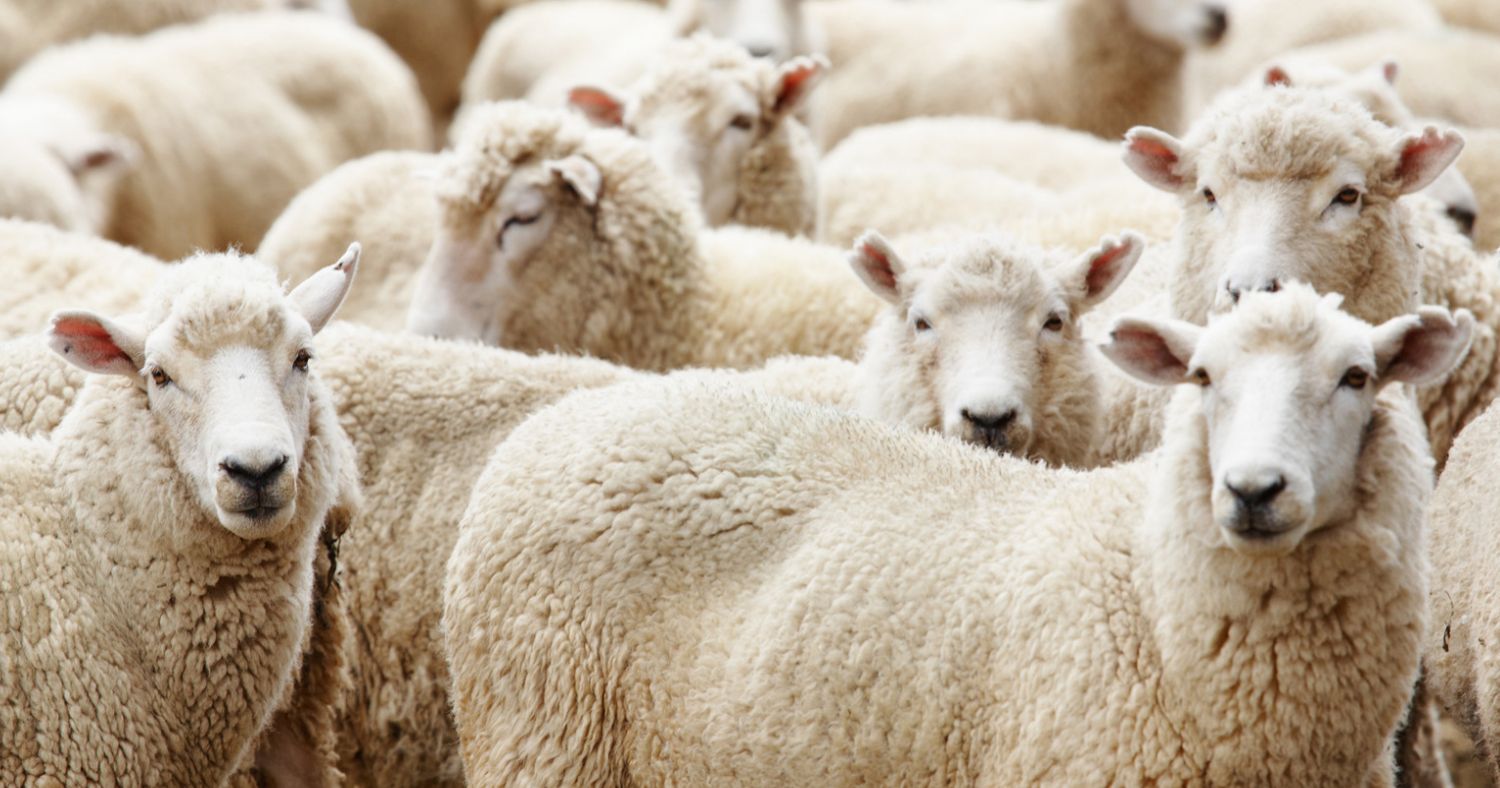
Chickens raised for meat in Canada have been bred to reach slaughter weight in just 38 days—four times faster than chickens in the 1950s. This unnatural growth causes agonizing health problems, including:
- Lameness and bone deformities
- Heart failure and organ strain
- Painful muscle and skin conditions
Animal Justice is urging regulators to require higher welfare breeds that grow more slowly as outlined in the Better Chicken Commitment. These breeds experience less suffering and better leg health.
Require Daily Exercise for Tie-Stall Dairy Cows
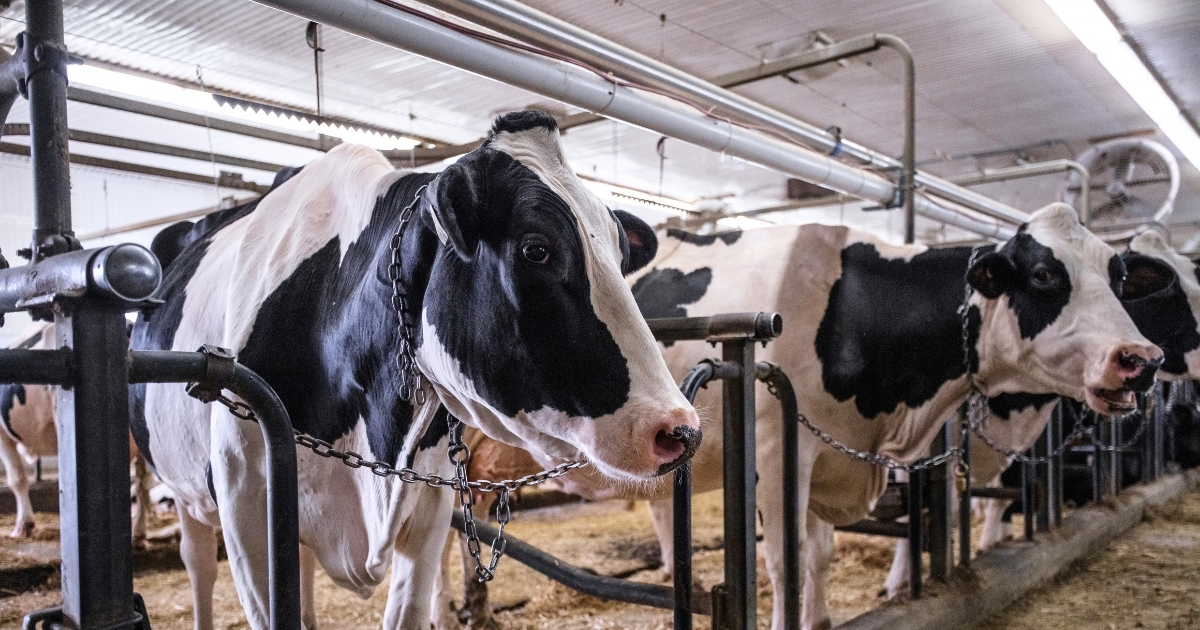
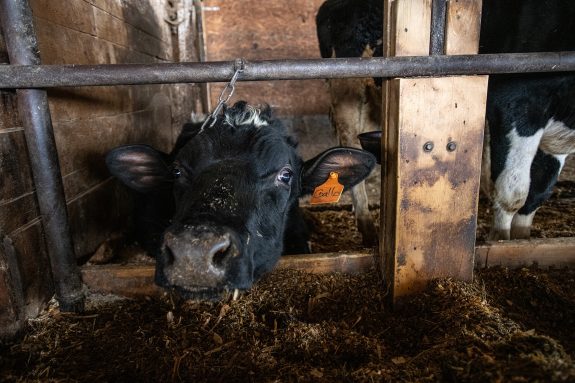
Many dairy cows on organic farms are kept in tie stalls, where they are tethered in one place for extended periods. This causes physical and psychological harm, including:
- Joint problems, lameness, and mastitis
- Skin lesions from prolonged lying
- Abnormal behaviours like bar biting and tongue rolling, linked to stress and frustration
Current organic standards require cows in tie stalls to be let out only twice a week for one hour. That’s not enough. This extreme confinement causes serious suffering and should be banned from organic farming.
Ban Glue Traps
Glue traps are one of the most cruel rodent control methods still in use. Animals caught in them suffer prolonged deaths from starvation, dehydration, or injury as they attempt to escape. Glue traps also frequently harm and kill non-target species like birds, squirrels, chipmunks, insects, and even cats.
Shockingly, glue traps are still allowed under Canada’s organic farming standards. With more humane alternatives available, glue traps should be banned entirely from organic farms.
How to Submit Your Comment
Please take a moment to submit your comments before the public commentary period closes on July 29th, 2025. Your voice can help drive real change for farmed animals.
Send an email to:
Share your thoughts in your own words. You can use the points below as a guide, and feel free to personalize them to make your message even more impactful:
- Broiler chickens: Modify section 6.1.2. To require slower-growing breeds to address severe health and welfare issues caused by fast growth.
- Dairy cows: Mandate daily exercise for cows kept in tie stalls, who are currently confined with little movement under section section 6.12.1.
- Glue traps: Prohibit the use of glue traps as a method of pest control due to the prolonged suffering they cause under section 8.3.2.
Thank you for standing up for farmed animals.
Banner Image: Jo-Anne McArthur | We Animals