

Most Canadians would be shocked to learn that Canada has no laws to effectively protect the welfare of animals on farms. Despite widespread public concern for animal welfare, our government has allowed a broken system to persist. Currently, the animal agriculture industry—not government—decides how farmed animals are treated. However, a new report aims to change the landscape of farmed animal protection in Canada.
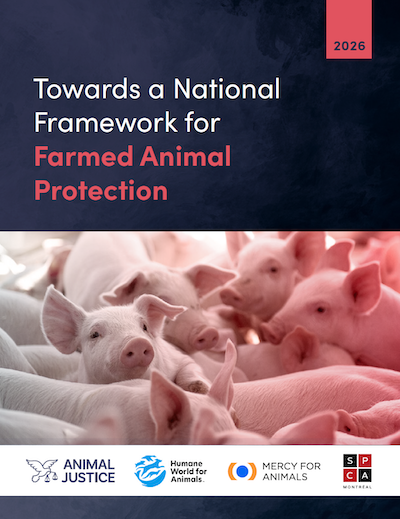
Animal Justice, Humane World for Animals, Mercy For Animals, and the Montreal SPCA released Towards a National Framework for Farmed Animal Protection.
This comprehensive report exposes systemic failures that leave hundreds of millions of animals raised and killed for food in Canada without meaningful legal protection. It offers a clear path forward to transform farmed animal protection to align with modern science, global best practice and Canadian values.
Canada’s Legislative Void in Farmed Animal Protection
Canada’s approach to farmed animal welfare is not just outdated; it is fundamentally broken. At the heart of the issue is a striking absence of government leadership. Unlike many peer nations, Canada has no laws to regulate the welfare of animals on farms.
Instead, the government has handed responsibility to the animal agriculture industry. This allows the industry to regulate itself through voluntary Codes of Practice. These codes are developed by the National Farm Animal Care Council (NFACC)—a private, industry-dominated body with no enforcement powers.
This self-regulation approach raises serious concerns:
- Weak Standards: Existing standards are largely voluntary, not law
- Lack of Accountability: There are no meaningful penalties for non-compliance
- Inadequate Enforcement: Oversight and enforcement mechanisms are weak or nonexistent
- Limited Transparency: The public has little visibility into how decisions are made
Why Voluntary Standards Fail
The consequences of this system are devastating. The report details how Canada’s current approach to farmed animal welfare permits and normalizes practices that most Canadians would find deeply troubling. For example, the system enables systemic cruelty including:
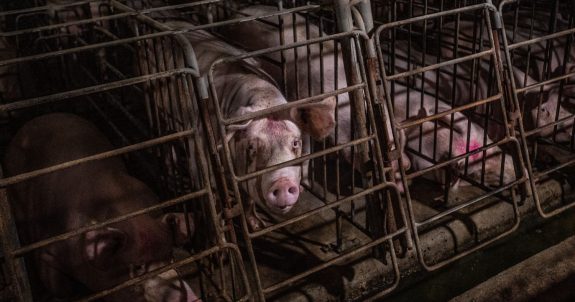
- The widespread use of extreme confinement systems, including small cages and crates for hens, pigs, and veal calves
- Painful procedures performed without adequate pain relief
- Inhumane methods of transport and slaughter
These are not isolated incidents. Rather, they are the direct result of a system that prioritizes profit over even basic welfare.
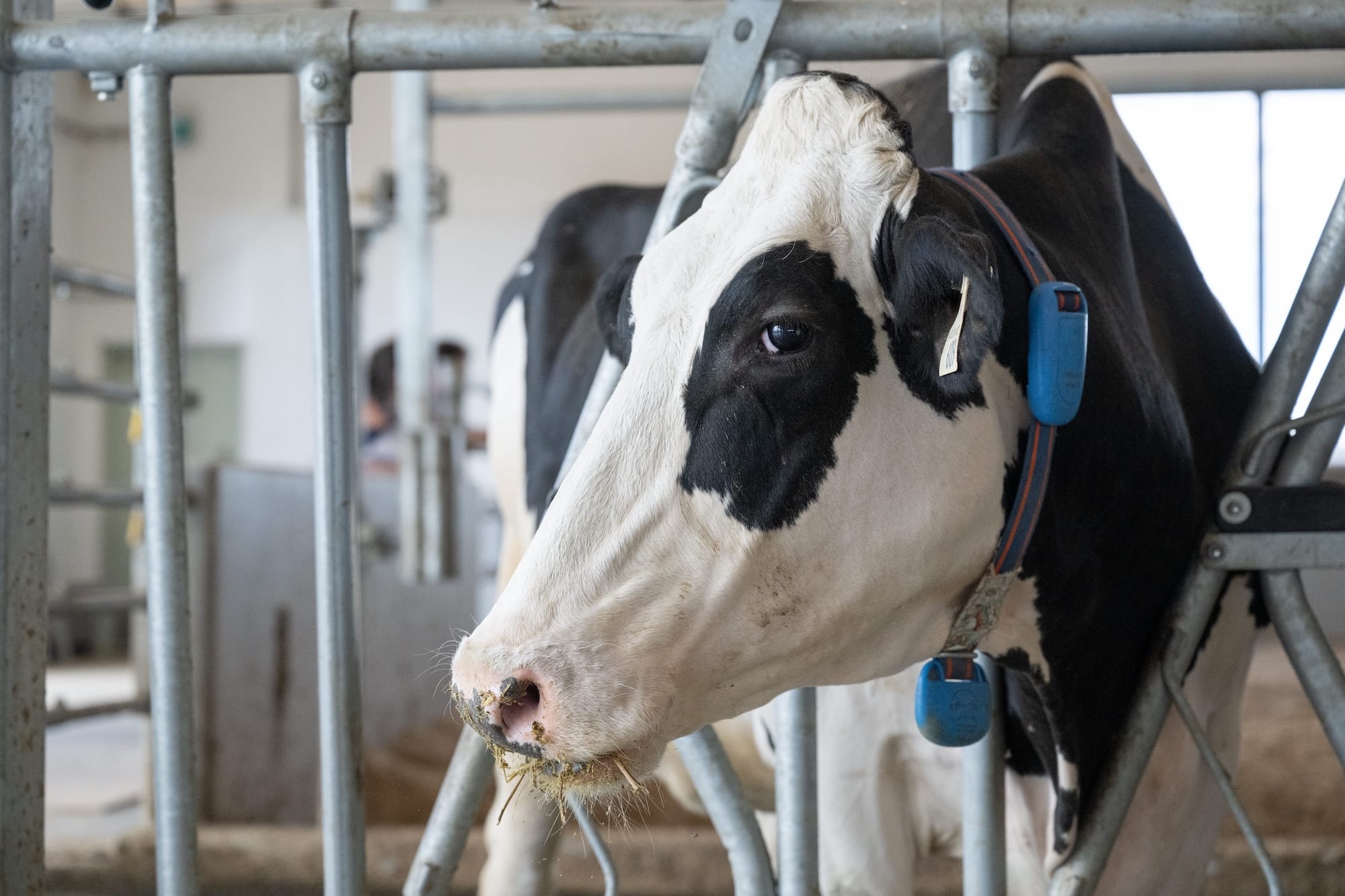
Photo: Jo-Anne McArthur | We Animals
Canada as an International Outlier
Canada has fallen behind many peer jurisdictions and received a “D” grade in the World Animal Protection Index, which assesses animal welfare legislation across 50 countries, highlighting the urgent need for reform.
As global expectations shift, Canada’s inaction is becoming increasingly costly. Animal welfare is increasingly tied to ethical governance, consumer expectations, and international trade standards. By refusing to modernize, Canada risks falling further behind—economically, politically, and morally.
Unlike many peer nations, Canada has no laws to regulate the welfare of animals on farms. Share on XA National Framework for Farmed Animal Protection
Towards a National Framework for Farmed Animal Protection lays out a practical long-term roadmap for reform. It calls for a transition away from voluntary, industry-led standards and towards a modern, accountable legal framework. To achieve this, the report proposes several key pillars:
- A Federal Animal Welfare Act: Establish clear, enforceable standards for animals on farms.
- Independent Oversight: Transform NFACC into an independent, legislated, science-based body with public accountability.
- Dedicated Leadership: Appoint a Minister and Commissioner of Animal Welfare to ensure farmed animal welfare is treated as a serious policy issue
- Stronger Enforcement: Introduce meaningful penalties and ensure transparency
Why Reform Can No Longer Wait
These are not radical ideas. In fact, they reflect the baseline approach in many other countries. Canada’s failure to act is no longer a question of feasibility—it is a question of political will.
For too long, the reality of factory farming has been hidden behind closed doors and industry messaging, obscured by reassuring language about “standards” and “care”. This new report changes that.
The report provides a comprehensive overview of how the current system developed, why it persists, and what meaningful reform can look like—making it impossible to ignore the scale of the problem or the urgency of action.
Read the Report
This report is a turning point for farmed animal protection in our country. Please read Towards a National Framework for Farmed Animal Protection to learn about how Canada is failing farmed animals—and how we can fix it together.
Banner: Jo-Anne McArthur | We Animals Media