
This post contains graphic imagery.
Shocking drone footage from multiple Alberta beef feedlots and slaughterhouses shows animal suffering on a monstrous scale.
The footage released by Animal Justice across seven beef feedlots in Alberta in late spring of 2026, owned by MCF Feeders Cattle, Rimrock Cattle Company, John Schooten & Sons, Allied Cattle Company, and G. Thompson Livestock Co Inc. The footage also shows animals at Cargill slaughterhouse in High River, and JBS Slaughterhouse in Brooks.
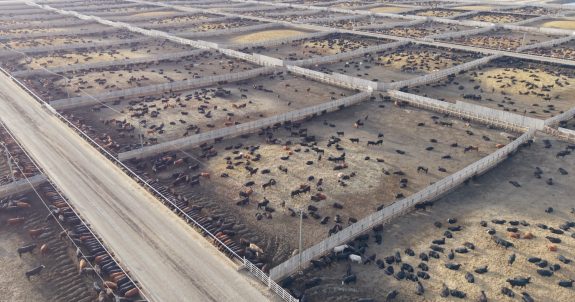
Our aerial footage shows some of the largest beef feedlots in Canada. Hundreds of thousands of steers and heifers pass through these gates every single year, and several of these operations appear to be actively expanding.
Inside Massive Alberta Beef Feedlots
Most people only see bovines grazing peacefully along highway fences. However, these massive operations are industrial factory farms where animals endure systemic cruelty for meat.
Beef feedlots confine thousands of animals in crowded, stressful conditions that prevent many natural behaviours like grazing and roaming. Animals in feedlots are kept in barren pens and often endure extreme weather, muddy or dusty pens, illness, injuries.
They are also fed intensive high-grain diets designed to rapidly fatten them before slaughter, which can cause health problems like acidosis (bodily fluids containing too much acid, causing the blood’s pH to drop) and liver abscesses, which are offset with antibiotics. Like all animal agriculture operations, efficiency and profit are prioritized over the well-being of animals.
How many animals are confined in Alberta feedlots:
- Rimrock Cattle Company: 40,000 animals
- MCF Feeders Cattle: ~75,000 animals
- G. Thompson Livestock Co Inc: 18,000 animals
- Allied Cattle Company: 65,000 animals across three feedlots
- John Schooten & Sons Turin Lot: 40,000 animals
- John Schooten & Sons Mossleigh: 41,250 animals
On June 30, 2021, the Natural Resources Conservation Board (NRCB) received a public complaint that the JS&S Mossleigh feedlot was currently operating at a 60,000-animal capacity and had been operating at that number of animals used for beef for the previous two years. In August 2021, the NRCB received three additional complaints alleging that the JS&S Mossleigh feedlot was overpopulated.
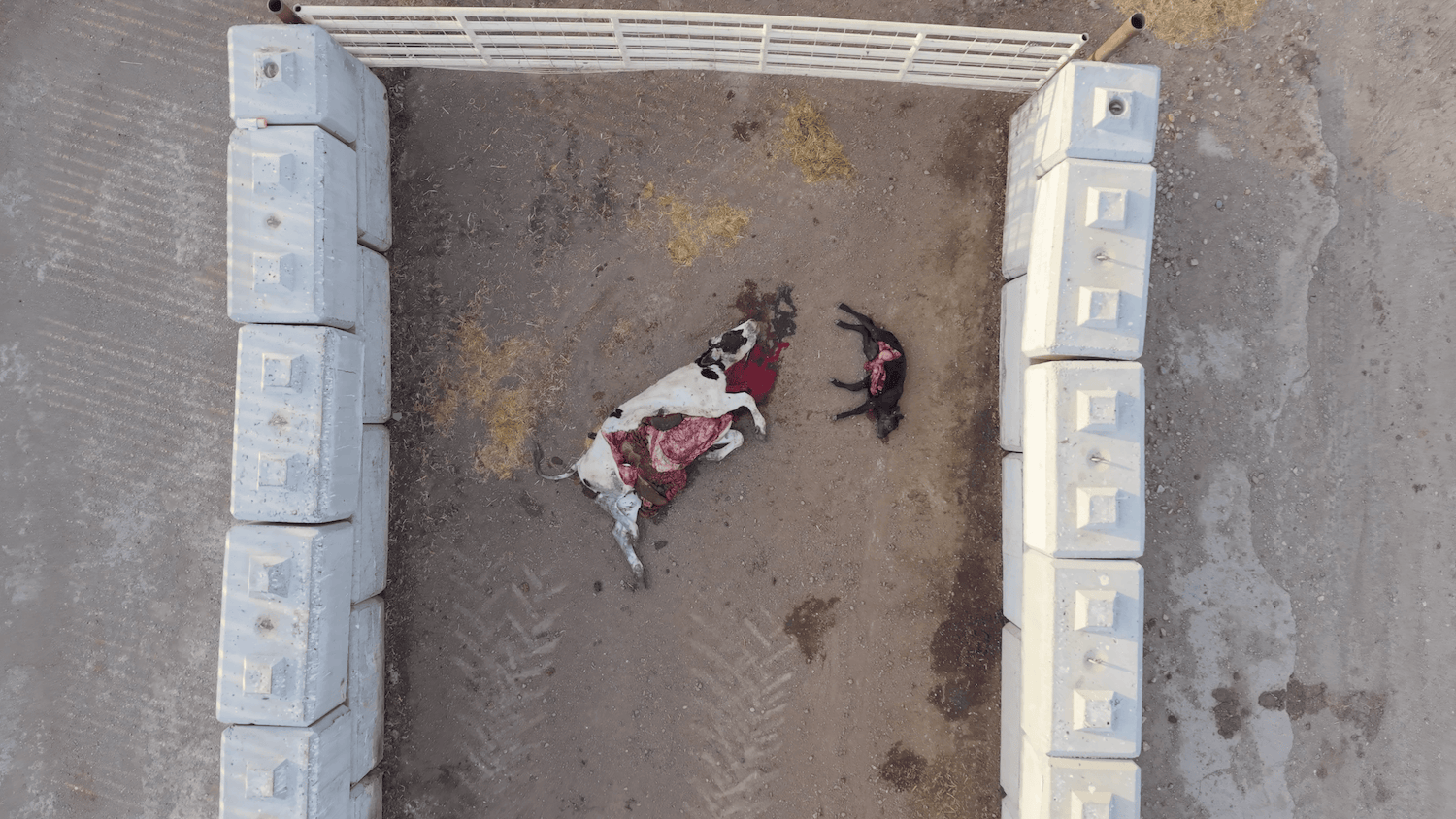
At two of the feedlots, the drone captured multiple dead animals, including what appeared to be a mother cow and her baby, both cut open, laying on the ground.
Beef Industry’s Toxic Waste Cesspools
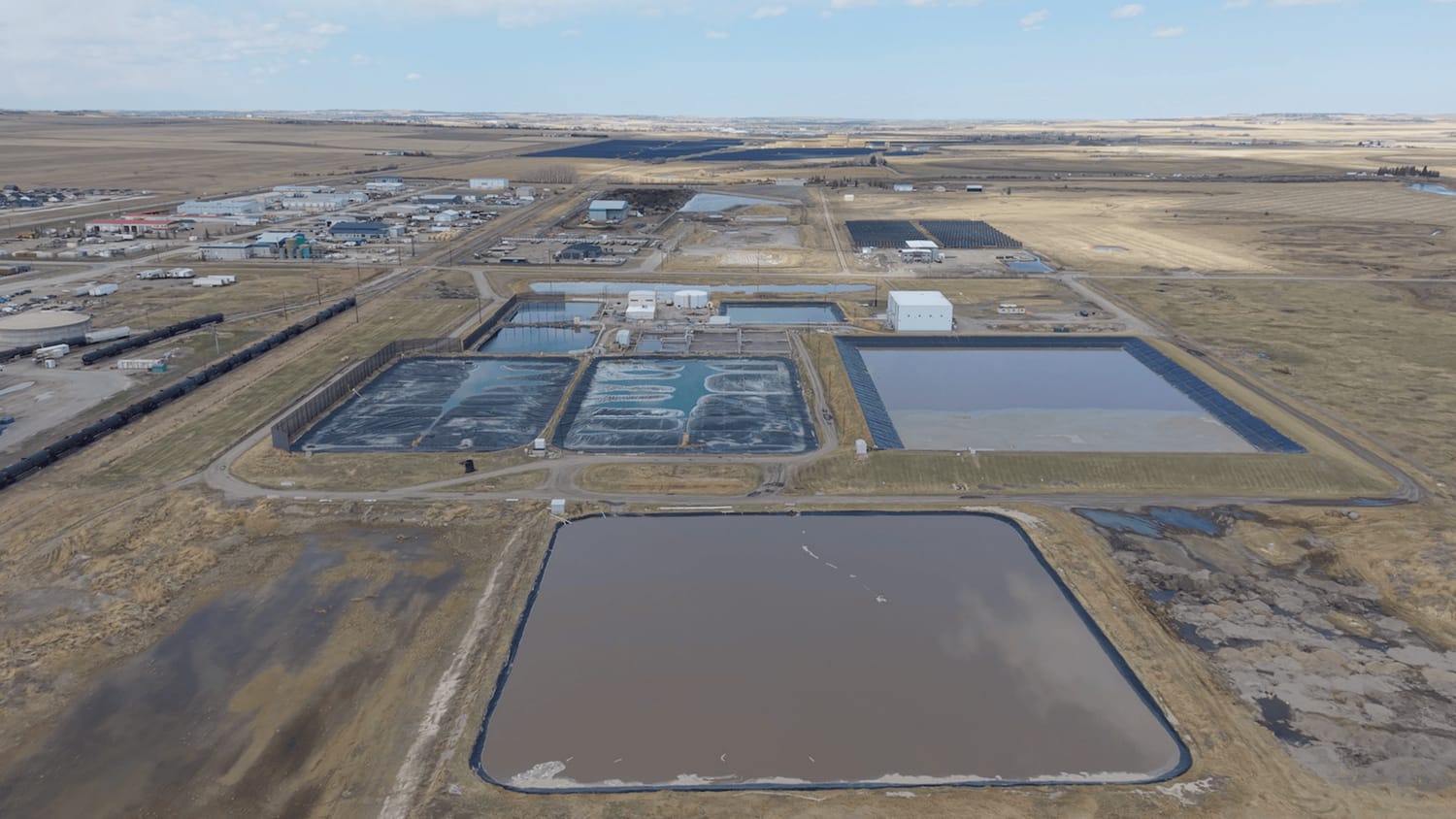
Beef production has a devastating effect on the environment. Giant toxic cesspools (i.e., waste lagoons) were at every feedlot and slaughterhouse we documented.
A cesspool is a large holding area where manure, urine, wastewater, and runoff collect. These toxic waste lagoons contain massive amounts of bacteria, ammonia, and toxic gases. They can pollute waterways and pose serious risks to animals, wildlife, and surrounding communities.
Currently, Rimrock Cattle Company faces fierce local backlash from residents over its controversial biodigester project in Foothills County. The biodigester will convert massive quantities of manure into natural gas.
“This project is going to destroy the quality of life in our community and town, and what do we get for enduring the rancid feed lot smells, the increased traffic on our roads, and the unknown air pollution that will drift over our homes?” resident Sharron Cook told the media.
Fear & Terror in Hidden Slaughterhouses
Drone footage captures animals being forced to enter Cargill slaughterhouse in High River and the JBS slaughterhouse in Brooks. Combined, these two operations slaughter a staggering 8,700 animals every single day.
Slaughterhouses are a horror for the animals killed inside. The meat industry wants consumers to believe that animals willingly walk to their deaths, and that the entire process is pain-free and peaceful—but this couldn’t be further from the truth.
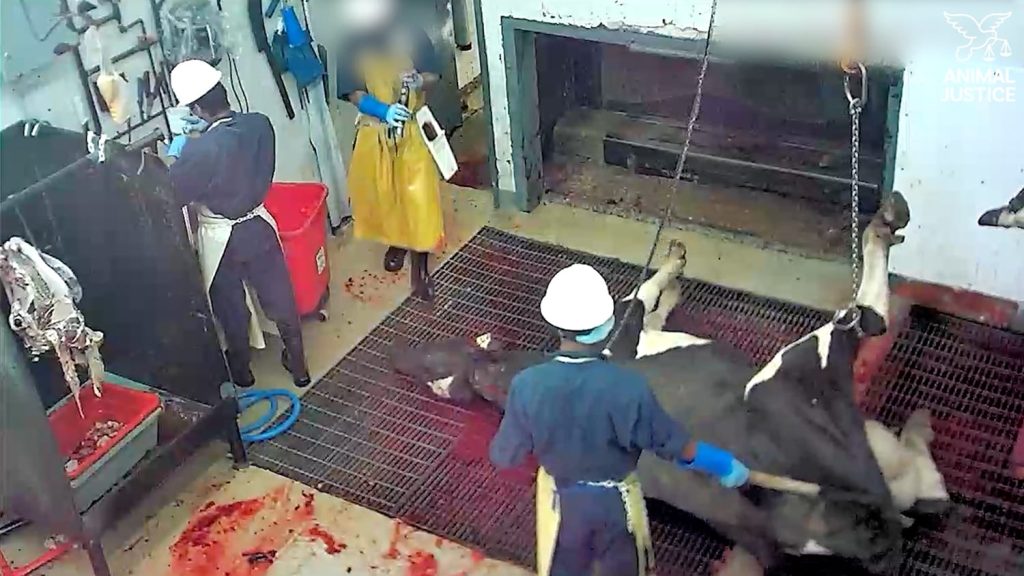
Animals are living, feeling beings who want to be safe, just like us, and in the face of death, they fight desperately to save themselves.
Slaughterhouses are notorious for botched killing, leading to prolonged pain and fear. Animal Justice has released two exposés from the kill floor of slaughterhouses, showing many pigs, cows, sheeps, and goats being improperly stunned and sliced open while still conscious.
No Protection Laws for Farmed Animals
Canada has no national laws regulating how animals are treated on farms. Instead, the government lets the animal agriculture industry set its own voluntary standards through the National Farm Animal Care Council (NFACC)—a private industry-led body with no legislative authority.
The result is a harmful system that is allowed to police itself with little oversight or accountability. Hundreds of millions of chickens, pigs, cows, and other farmed animals suffer every year in horrifying conditions and are subjected to painful practices that have been banned in many countries around the world.
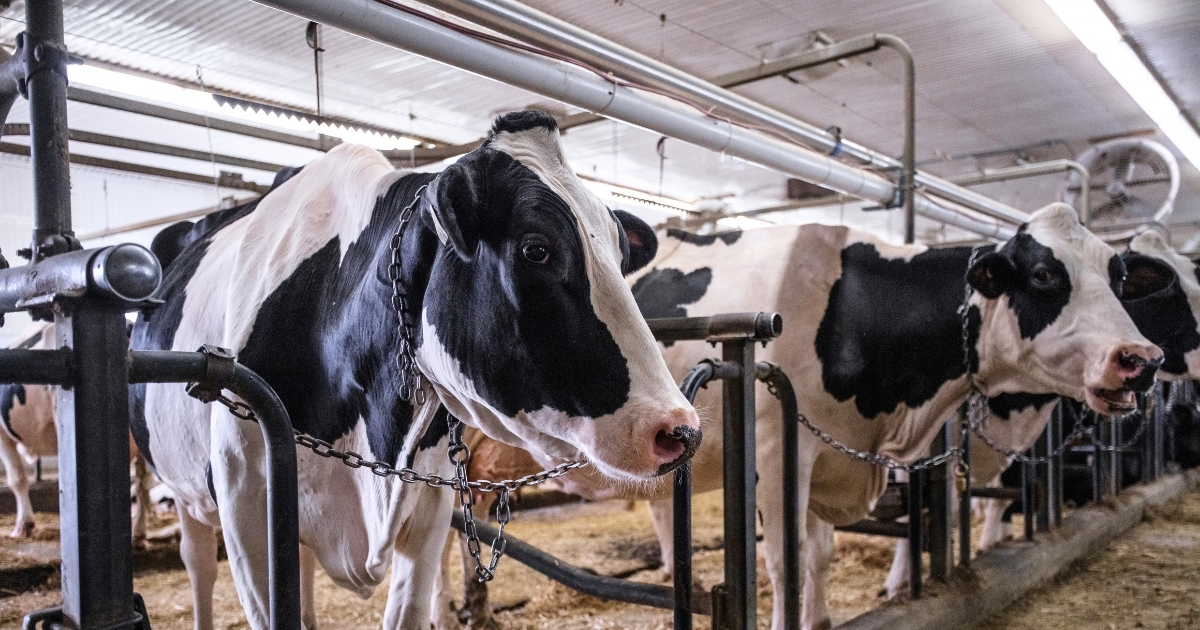
NFACC’s voluntary Codes of Practice permit practices such as slicing off chickens’ sensitive beaks without anesthetic, confining pigs in tiny cages so small they can’t turn around, tying cows indoors for their entire lives and horrific methods of killing—such as grinding up baby male chicks alive, and killing piglets using blunt force trauma.
NFACC’s Beef Code is currently under review. The Code claims to aim to improve welfare standards, but the Codes are voluntary, and their rules aren’t binding. The Beef Code also continues to allow painful procedures such as hot iron branding and dehorning and fails to require overhead shelter at feedlots to prevent exposure to extreme weather elements. Canada desperately needs real, enforceable laws to protect farmed animals from abuse.