
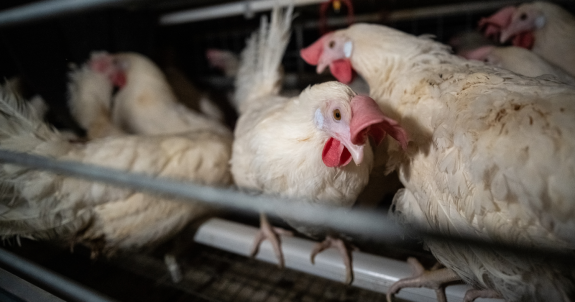

Around the world, governments, companies, and consumers are moving away from caged housing systems in favour of cage-free egg production. Yet in Canada, cage confinement remains the norm, leaving millions of hens trapped in systems that are widely recognized as unacceptable.
A new report from Animal Justice examines the current state of caged housing for egg-laying hens in Canada and how it compares to global trends. The findings paint a stark picture: while other countries are phasing out cages altogether, Canada continues to defend and invest in them.
The Global Shift to Cage-Free Eggs: Canada Lags Behind
Cage confinement is one of the most widely criticized farmed animal practices in the world. In response to well-documented animal welfare concerns, many countries and US states have banned conventional cages, phased out so-called “enriched cages”, or prohibited the sale of eggs produced in cages entirely. But Canada has taken a different approach.
Instead of implementing cage-free laws like those that are being adopted around the world, Canada relies on non-binding, industry-led Codes of Practice developed by the National Farm Animal Care Council (NFACC). For egg-laying hens, these Codes still allow cage confinement and Canadian egg producers to invest in new cages until at least 2036.
As a result, Canada now lags far behind other jurisdictions, with its cage-free production falling well below international norms.
Corporate & Investor Pressure Is Driving Change
Market forces also drive the global transition toward cage-free eggs. Thousands of major food companies have adopted cage-free commitments, and the majority of them have already met their deadlines.
In Canada, more than 130 companies have committed to cage-free sourcing, including major restaurant chains and food service providers. In fact, many of the country’s largest restaurant brands are now sourcing exclusively cage-free eggs.
At the same time, investors are increasingly viewing animal welfare as a material business risk. Leading environmental, social, and governance (ESG) frameworks now require companies to disclose their use of cages, reflecting growing recognition that outdated housing systems expose businesses to reputational, regulatory, and market risks.
Yet despite this momentum, some global companies continue to lag in Canada, maintaining much lower free-run, cage-free sourcing than in other regions. This highlights how Canadian standards have fallen out of step with global expectations.

Canadians Want an End to the Confinement of Caged Hens
Canadian public opinion on the issue is clear. Polling consistently shows that most Canadians strongly oppose all forms of cage confinement for egg-laying hens. In fact, 80 percent support a national ban. Consumers also expect grocery stores and food companies to provide cage-free eggs in Canada. Furthermore, many say they will actively support companies that switch to higher-welfare products. 60 percent of Canadians are willing to pay more for cage-free eggs—provided they know what they are buying.
Canadians also want transparency, accountability, and independent oversight of how animals are treated on farms. These expectations are difficult to reconcile with opaque, industry-controlled standards.
Public values are clear, and they do not align with Canada’s continued reliance on cages.
The Risks Facing Caged Hens & Public Health
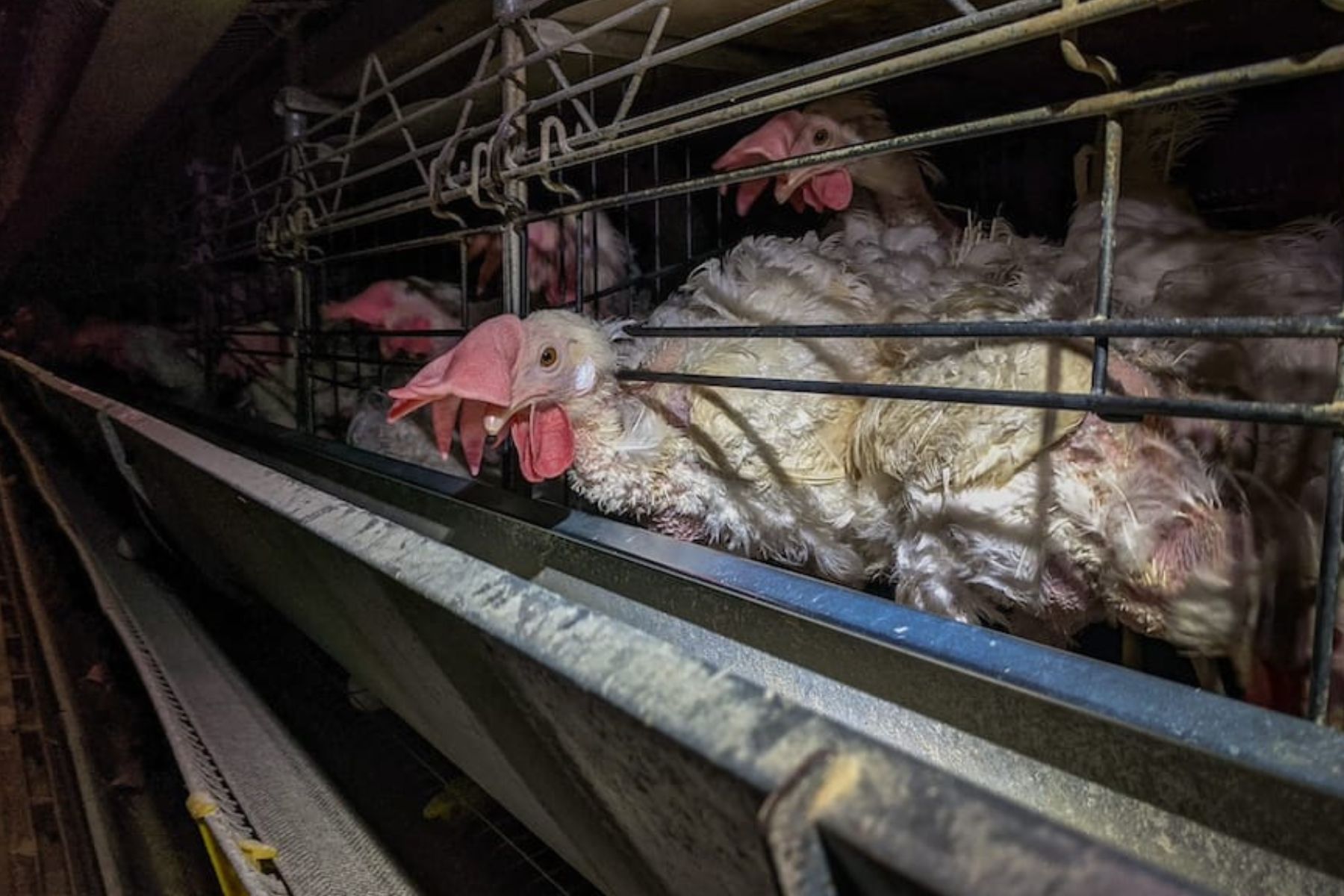
Cage systems, whether conventional or enriched, severely restrict hens’ ability to express natural behaviours like nesting, perching, foraging, and dustbathing. The result is chronic physical and psychological distress, increased injury and illness, and higher levels of pain over a hen’s lifetime.
Beyond animal welfare, cage confinement raises serious human health and food safety concerns. Crowded, stressful environments increase disease risk, including Salmonella and avian influenza. Research shows eggs from cage-free systems are associated with lower contamination risks and improved hygiene, benefiting both consumers and public health systems.
Why “Enriched” Cages Aren’t the Solution
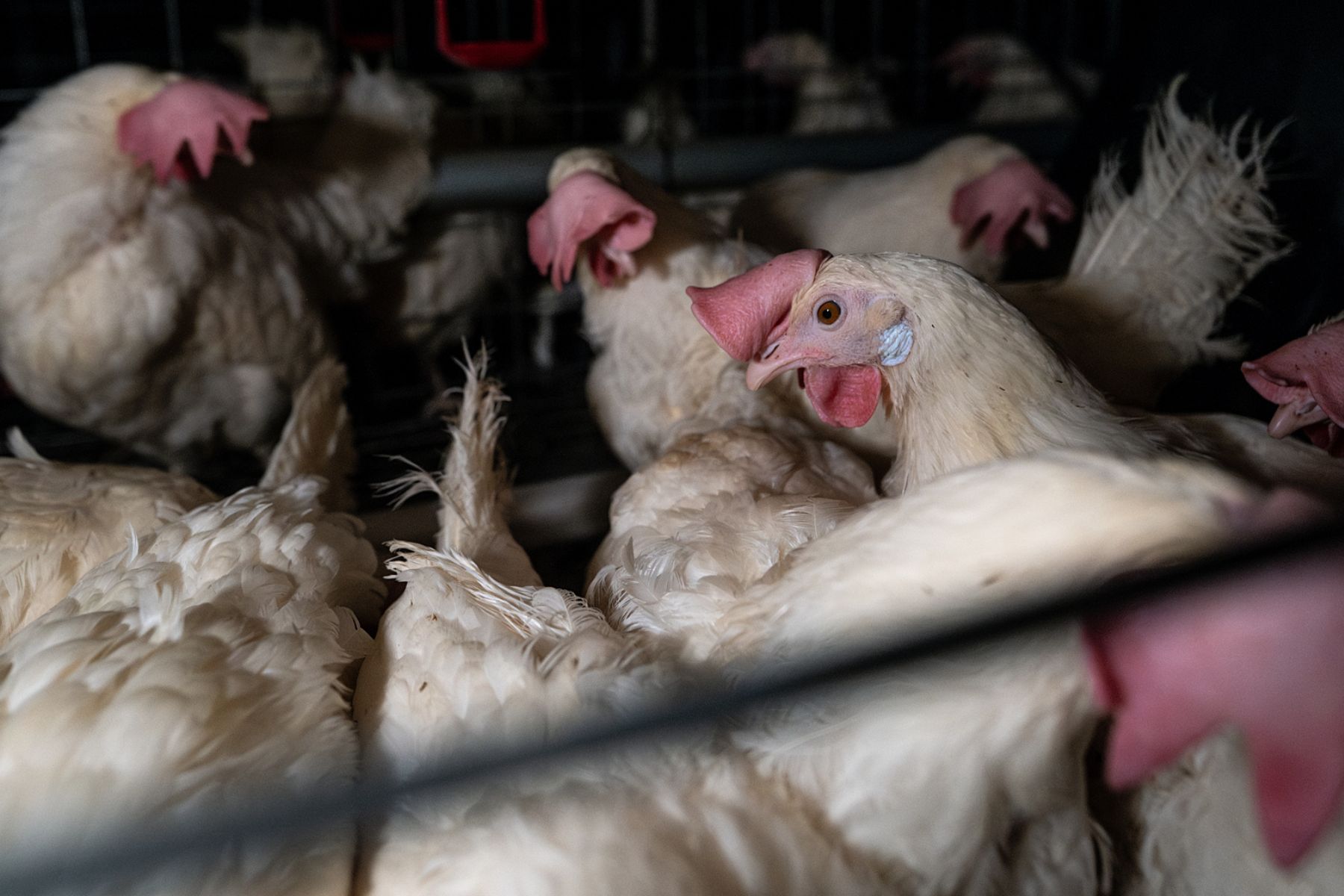
The industry often presents so-called “enriched cages”—sometimes called “colony cages”—as a compromise. However, evidence from other jurisdictions shows this approach has failed. These systems still confine hens, offer only marginally more space than conventional cages, and do not meet animals’ behavioural needs.
Countries that invested heavily in enriched cages ultimately found that consumers rejected them. Most people simply view them as another form of caging. Consequently, those who invested in enriched cages eventually had to transition again at a great cost. This delayed meaningful progress and ignored public expectations.
Canada now risks repeating this same mistake.
The Path Toward a Cage-Free Egg Future
The global transition to cage-free egg production is already well underway. It is driven by consumer demand, corporate commitments, investor expectations, and evolving legal standards. Other jurisdictions have shown that moving away from cages is both feasible and economically viable.
Just this month, the UK government announced plans to phase out the use of cages for laying hens in England, moving the sector toward non-cage systems and consulting on the gradual phase-out of enriched colony cages. This move also reflects a broader trend. Higher welfare standards now shape regulatory and trade expectations, increasing the likelihood that low-welfare products could face barriers or lose market access.
Defending caged housing systems pushes Canada’s egg industry further out of step with global progress and emerging trade norms. Furthermore, this approach ignores the values of Canadians themselves.
It is no longer a question of whether cages should be phased out, but how quickly Canada is willing to catch up.
Take Action
Change doesn’t happen without public pressure. Help push Canada toward a cage-free future by calling on Sobeys, a leading Canadian grocery retailer, to keep its promise to go cage-free.
Banner: Abigail Messier | We Animals