

The Supreme Court of Canada has granted Animal Justice leave to intervene in a monumental legal battle. This landmark appeal over Toronto’s Ontario Place site could determine whether the government can shield itself from accountability when its decisions harm animals and wildlife habitats.
What Is the Ontario Place Case?
Ontario Place is a beloved public waterfront park in Toronto. It sits on man-made islands right off the shore of Lake Ontario. Since 1971, the site has evolved into a vibrant green space. It provides a critical habitat for local wildlife and serves as a vital flyover area for migratory birds.
Recently, the Ontario government approved a massive redevelopment of the site. The plan features a large glass spa complex. Work on the development has already resulted in the clearing of roughly 850 trees, damaging wildlife habitat and putting animals like minks, beavers, and migratory birds at risk. Large glass structures included in the development plans have been described by experts as “disastrous for climate change bird migration”.
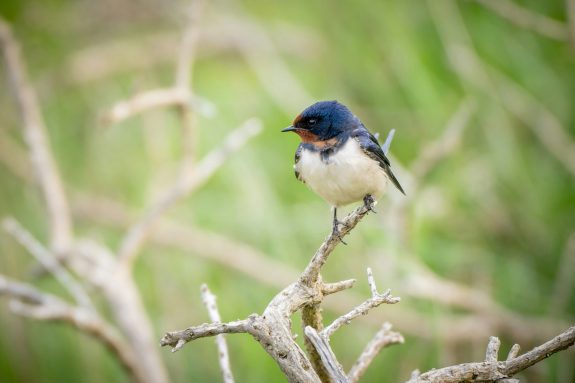
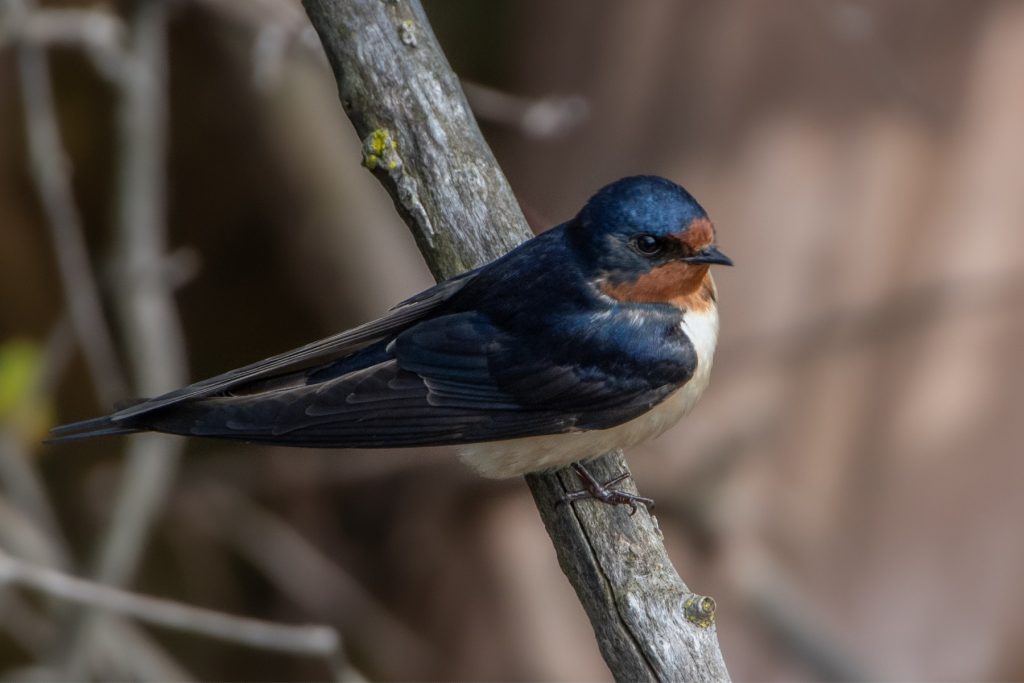
Furthermore, advocates are concerned that the construction threatens nesting habitats for the Barn Swallow. The province lists this bird as a species of “special concern” under Ontario’s Endangered Species Act.
To protect the development from lawsuits, the province passed the Rebuilding Ontario Place Act in 2023. This law strips away almost every avenue for the public to hold the government accountable. After losing before the Ontario Court of Appeal, a local group called Ontario Place Protectors is taking the fight to the Supreme Court of Canada.
Animal Justice Fights for Absolute Legal Accountability
Animal Justice will argue that the government cannot give itself total immunity from lawsuits. In this Ontario Place court case, our legal team from Circle Barristers will highlight two important factors:
- Asymmetry: The law creates an unfair situation. The province can sue private citizens, but citizens cannot sue the government back.
- Breadth: The law wipes out an incredibly wide range of legal remedies. It strips away the exact tools that courts need to stop harmful construction.
Animals cannot speak for themselves. Legal accountability is one of the few tools that exists to protect them.
The Supreme Court’s decision in this appeal will have significant implications for governments’ ability to permit large-scale harm to wildlife with total immunity.
The Ontario Place Court Case Has National Implications
This case is not simply a local Toronto dispute about development. It is an appeal with significant national implications for the rule of law. Animal Justice regularly brings court cases to challenge decisions that harm animals. Our work relies entirely on the principle that the government must follow the law.
We have a long history of fighting before Canada’s highest courts. For instance, we intervened in R. v. D.L.W. and Council of Canadians with Disabilities v. British Columbia.
Sign up for the Animal Justice mailing list to stay up to date on this case and our work to give animals a voice in courtrooms and protect the rule of law in Canada.